3 Signs of Lawn Heat Stress

Every year, you hear that dreaded word: drought. With rising summer temperatures and fewer natural water resources, it's no surprise that homeowners struggle with a lawn stressed by the heat. While proper lawn care and maintenance are crucial in the spring, you might still struggle to keep a vibrant, lush lawn in the middle of a dry spell. Nature's Select Sandhills' lawn care program works with nature to help improve the health of your lawn. Yet, you still might see some of these signs of heat stress as we head further into summer.
1. Soil Gaps
You may have never noticed before, but your lawn's soil acts like a sponge. When it's moist and full of water, your lawn is lush, green, and plump. But during a drought, the evaporating water and lack of rain cause the soil to compact and dry out. This leads to shrinkage, which becomes more noticeable around sidewalks and driveways. If you notice that you've got gaps of soil between hardscapes and the lawn, your yard is experiencing heat stress.
2. Footsteps
In the spring, you will notice that your footprints in the grass disappear after a few moments. That's because your well-watered lawn has elasticity. Each blade is capable of rebounding after being impacted by your weight. However, during a drought, you'll notice that your footprints stick around, leaving a trail through your lawn. Dehydrated grass blades lose their elasticity and can't spring back up, which is another key sign that the summer heat is taking its toll.
3. Discoloration
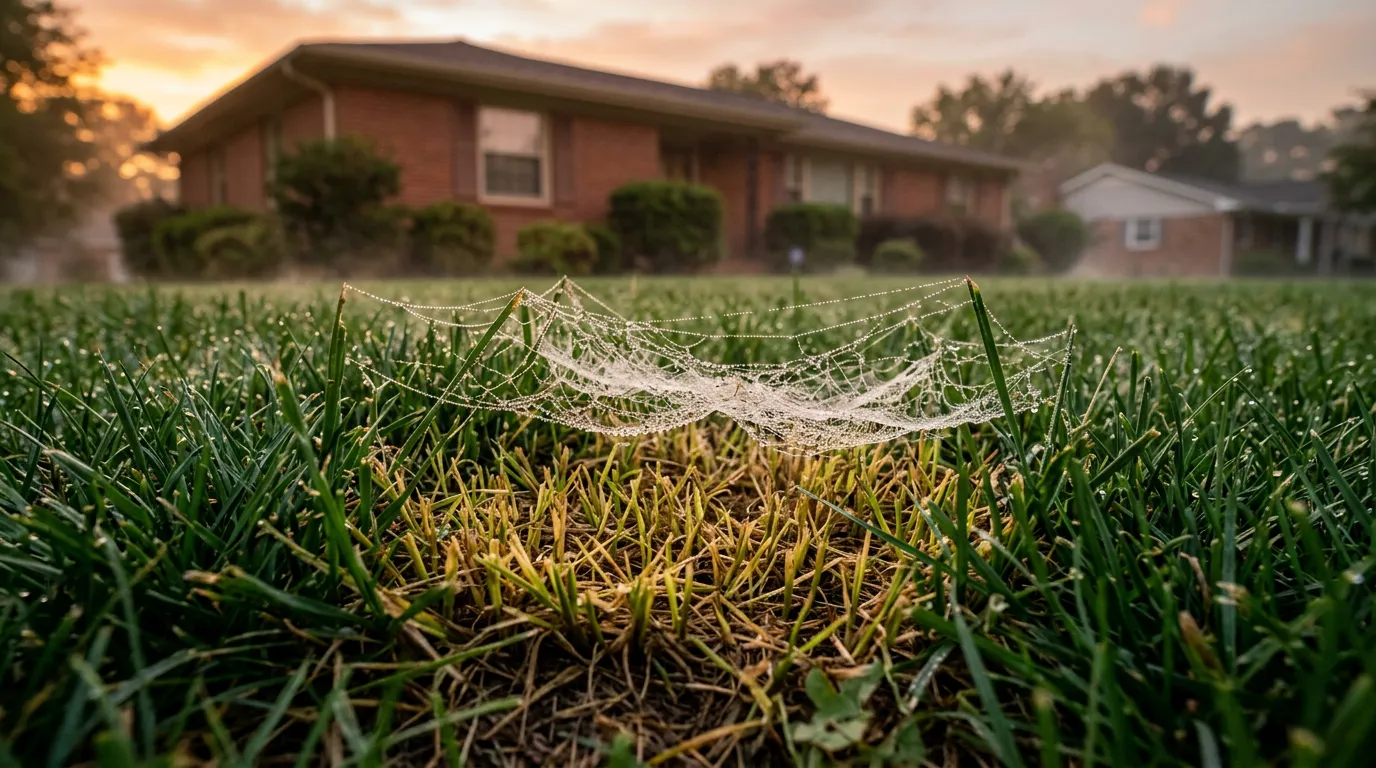
Perhaps the most obvious sign that your yard is experiencing heat stress is discoloration. Depending on the level of drought, entire grass blades can turn brown, or just the tips will discolor. However, this discoloration may not always be a sign of heat stress and can be tricky to diagnose. Insects, grubs, and lawn diseases can also discolor your grass. Therefore, it's always important to call the lawn care professionals for help.
Don't Stress About Your Lawn Care
When it comes to treating your lawn for grubs, diseases, and pests, turn to Nature's Select Sandhills. Our biological programs work with nature, not against it. This means you'll get a specially formulated program that works with all the natural elements of the soil to promote healthy, green grass while still taking care of common problems. Our expert lawn care can even help your yard rebound from a drought. If you live in or around Sandhills, NC, give us a call today at (910) 757-0359 for your free estimate.