Debunking 5 Myths about Eco-friendly Lawn Care
From reducing chemical runoff and protecting local ecosystems to saving money and promoting healthier soil, eco-friendly lawn care offers many advantages. However, there are still many misconceptions and myths surrounding eco-friendly lawn care that can prevent homeowners from taking advantage of it. So, Nature's Select Triangle is here to debunk five of the most common ones below.
Myth #1: Eco-Friendly Lawn Care Takes Longer
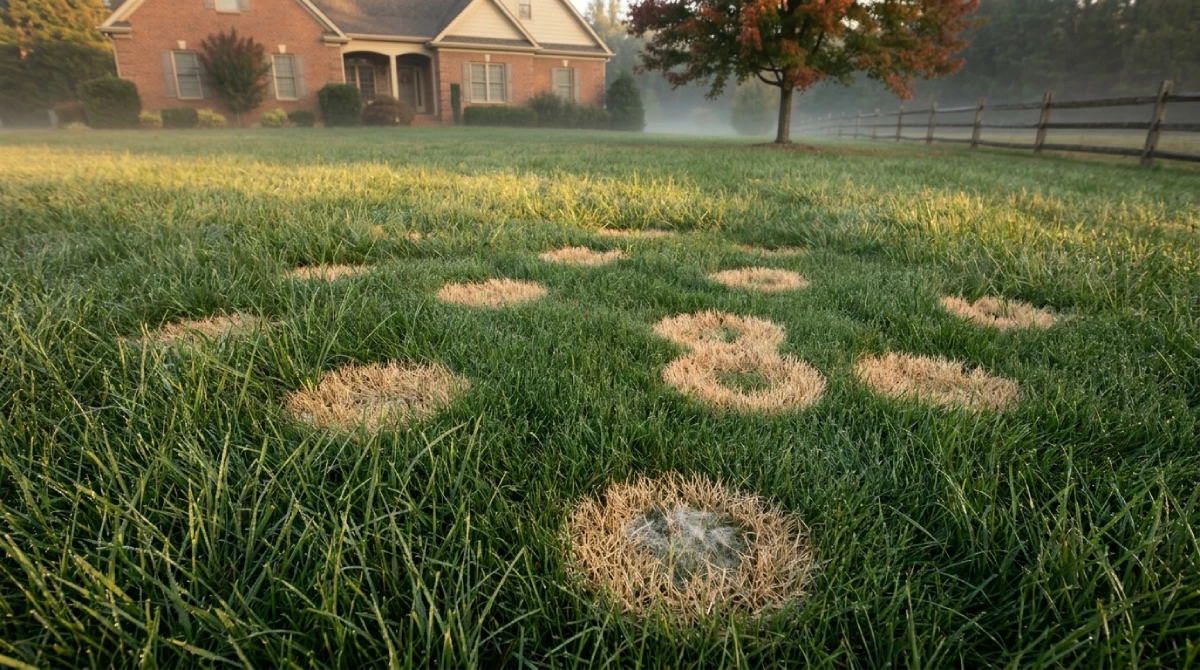
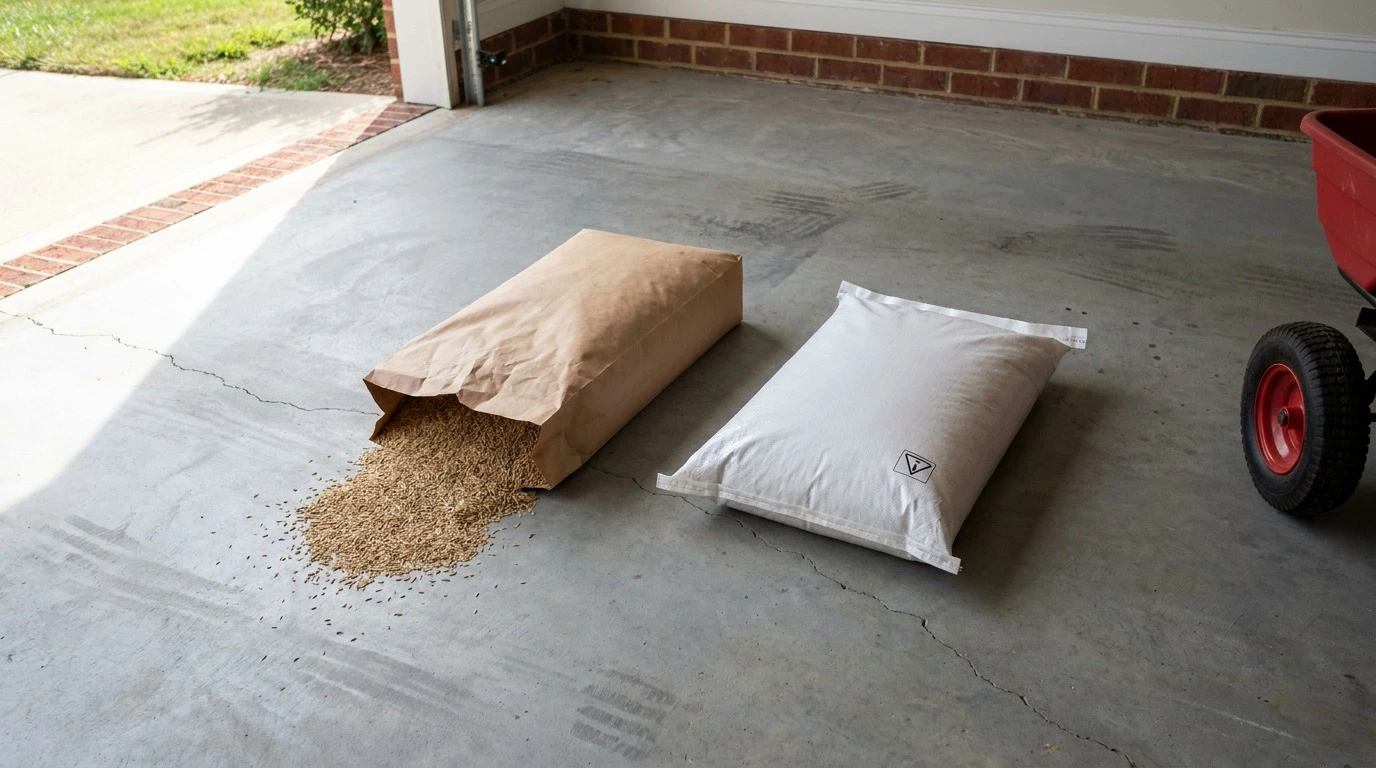
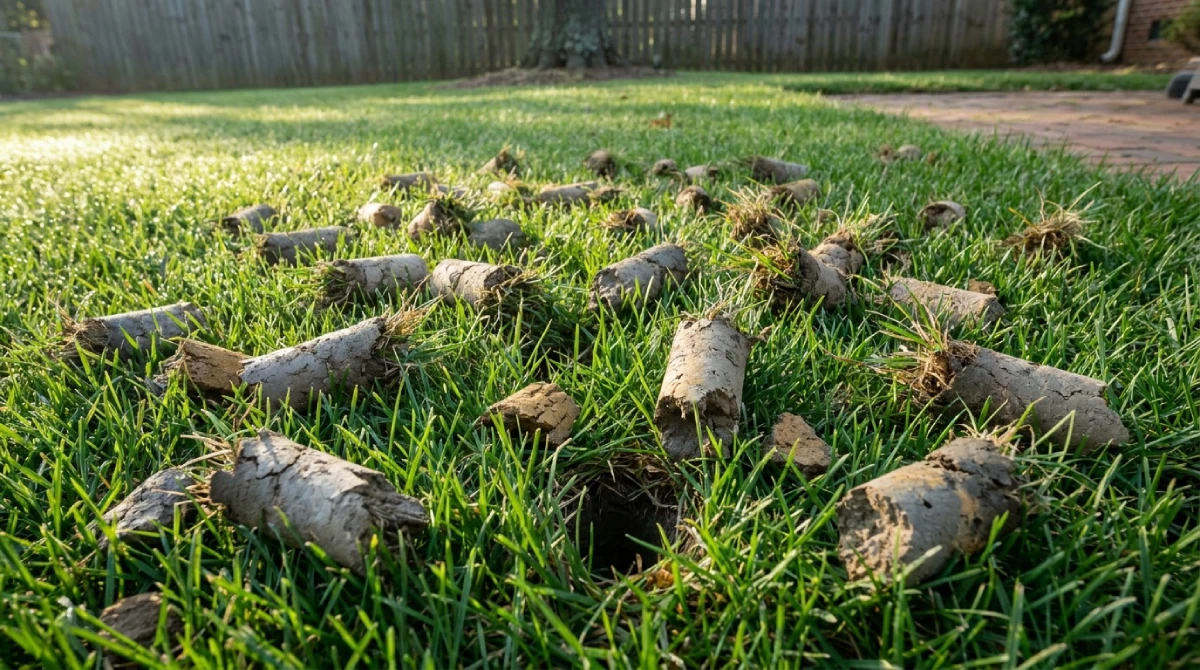
Eco-friendly lawn care does not actually take longer than traditional methods of lawn care. The primary activities include mowing, watering, aerating, seeding, and overseeding. These activities help keep your grassroots strong and the soil healthy, which, in turn, helps fight off diseases and pests.
Myth #2: Eco-Friendly Lawn Care is More Expensive
Eco-friendly lawn care is often perceived as being more expensive than traditional methods of lawn care. However, this isn't necessarily true. While biologically based products may be a bit pricier upfront, they can actually save you money in the long run by reducing the frequency of applications.
Myth #3: Synthetic Fertilizers Are Better for the Environment
Synthetic fertilizers are often seen as more effective and better for the environment than eco-friendly fertilizers. However, this is not quite the case. While synthetic fertilizers do provide quick results, they can also cause significant damage to the environment.
Myth #4: Weeds Can Be Controlled With Boiling Water
While pouring boiling water on the leaves and stems of a weed you don't want is an effective way to kill them, it's not a long-term solution. Weeds spread through underground root systems, sprouting up in different places around your lawn. So, if you're looking for a more sustainable approach, eco-friendly lawn care is the way to go.
Myth #5: Traditional Pesticides Are the Only Ones That Work
Traditional pesticides have been the go-to approach for many homeowners. While these products may be effective in killing off pests, they come with several drawbacks. Not only do they contain toxins that can remain active in the soil, causing potential environmental risks, but they are also harmful to wildlife and pets. This is why Nature's Select Triangle uses a reduced amount of chemicals and biologically based nutrients to restore soil health and encourage growth sustainably.
Your Biological Lawn Care Starts Here
Whether you have pests you want to get rid of or have a goal of a healthy, green lawn, Nature's Select Triangle can help. We proudly serve residents throughout Chapel Hill and Durham, NC, and we're ready to serve you. Our lawn care services also include aeration and seeding and disease control. So, request your free estimate today at (919) 240-4239.