How Do De-icing Salts Damage Trees?
Winter is stressful for your shrubs and trees. They're battling the elements, which often include snow, ice, and bitterly cold temperatures. Unfortunately, you could be making winter harder for them by misusing de-icing salts. While it's important to keep walkways clear so you don't slip and fall, you should also keep the health of your shrubs and trees in mind. Here is what Nature's Select Piedmont wants you to think about before you lay down salts this year.
What is De-icing Salt?
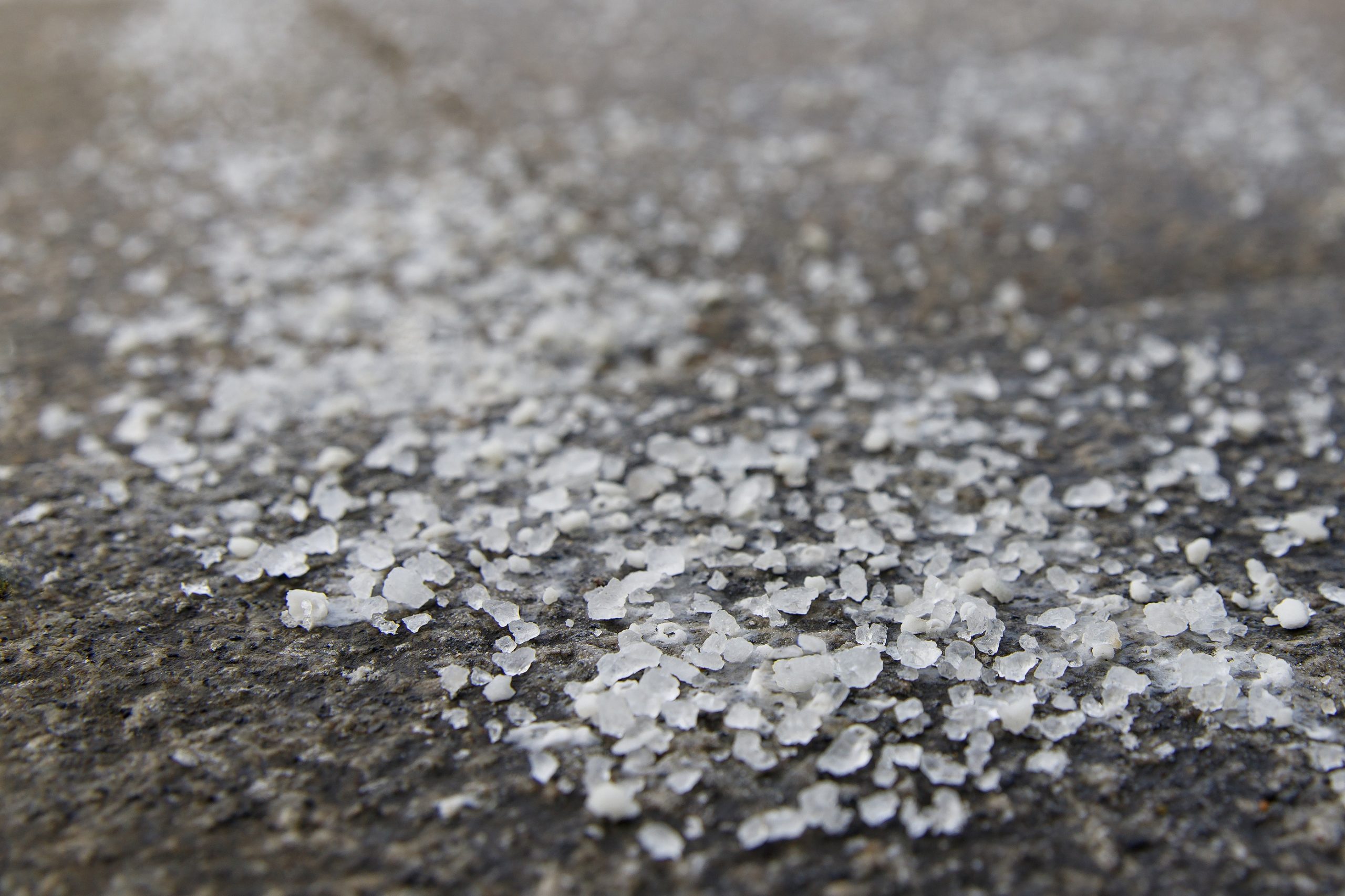
The salt laid down on the roads and walkways is either rock salt (sodium chloride) or salt from limestone (calcium chloride). These salts are readily available and easy to store, making them the go-to solution for melting ice patches. However, while the salt from limestone is less harmful to trees and shrubs, it's more expensive than rock salt. Furthermore, if you need to de-ice walkways near plants, try to use one with calcium magnesium acetate in it. This type of de-icer has the same corrosive properties as tap water, and won't put your landscaping at risk.
What Does a Salt-Damaged Tree or Shrub Look Like?
Salt damage on trees and shrubs varies, depending on the severity. In most cases, needles and leaves will display the same symptoms as water stress. Usually, this looks like brown-tipped leaves that start to discolor further back. In more severe cases, salt damage on your foliage can kill entire branch and leaf segments. In the most extreme cases, roadway salt can destroy an entire tree.
How to Protect Trees and Shrubs
Winter weather is unpredictable, which means you can't prevent all tree and plant damage, but you can mitigate it. If you have to use de-icing salts around your trees and shrubs, there are still a few things you can do to keep them healthy. First, make sure you water the ground well and wash off the leaves on a warmer day. This will help wash away the salt and dilute its concentration in the soil. Second, wrap the trunks of your taller trees with burlap before winter. This layer of protection prevents salt from eating away the bark and protects the tree from bitter winter winds.
Why You Should Call Nature's Select Piedmont
Here at Nature's Select Piedmont, we have a specialized winter program for all your trees and shrubs. After taking care of your landscaping and lawn all year long, we apply an oil application to the branches and trunks of your trees. This oil prevents winter burn, averts salt damage, and smothers soft-bodied insect eggs. We proudly serve residents throughout Piedmont, NC, Greensboro, NC, High Point, NC, and the surrounding areas. So if you're looking for professional lawn care, boxwood care, or lawn fungus control, give us a call at (336) 544-4554.