Protect Your Oak Trees from These Common Diseases
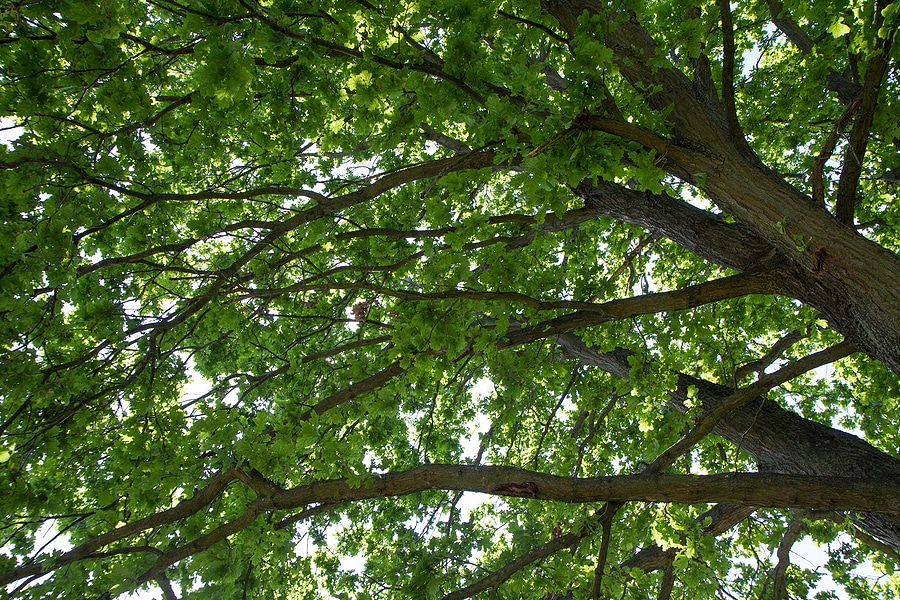
Oak trees are a beautiful and iconic part of many landscapes. They provide shade, shelter, and a sense of history, but they're also vulnerable to various diseases. Diseases that affect oak trees can cause significant damage, impacting their health and appearance. If you're a homeowner who wants to protect your oak trees, Nature's Select Triangle is here to help!
Oak Wilt
Oak wilt is a fungal disease that blocks the flow of water and nutrients through an oak tree's vascular system, ultimately causing the tree to wilt and die. Symptoms of oak wilt include wilting leaves, leaf drop, and bark discoloration. The disease is most active in the spring, and once a tree is infected, there's no cure. Prevention is key when it comes to oak wilt. Avoid wounding or pruning oak trees between April and July, when beetles that carry the disease are most active. If you suspect oak wilt in a tree, contact Nature's Select Triangle immediately to prevent further spread.
Anthracnose
Anthracnose is a fungal disease that causes leaf spot, twig dieback, and defoliation in oak trees. Symptoms include circular brown or black spots on the leaves, as well as dark streaks on twigs and branches. High humidity and wet weather can exacerbate the disease, often spreading through infected leaves and twigs. To control anthracnose, remove and dispose of infected leaves and twigs, and keep the area around the tree free of debris. Fungicides can also be applied preventatively in the spring and sparingly in the summer.
Bacterial Leaf Scorch
Bacterial leaf scorch is a disease that affects many types of trees, including oak trees. Symptoms include browning around the edges of the leaves, which can spread inward until the entire leaf dies. The disease is caused by a bacteria that blocks water flow through the tree's vascular system. There's no cure for bacterial leaf scorch, but treatments, such as antibiotics, can be used to manage the disease. Prevention includes proper irrigation, pruning, and avoiding stressors such as soil compaction.
Improve the Health of Your Trees
When you want to protect your oak trees, Nature's Select Triangle will be there! We proudly serve residents throughout Chapel Hill, NC, improving the health of all types of trees, including boxwoods, oaks, and many others. We also support the health of lawns through our biological lawn care that works with nature rather than against it. If you're concerned about your trees, give us a call at (919) 240-4239.