Brood X Cicadas: 4 Things You Need to Know
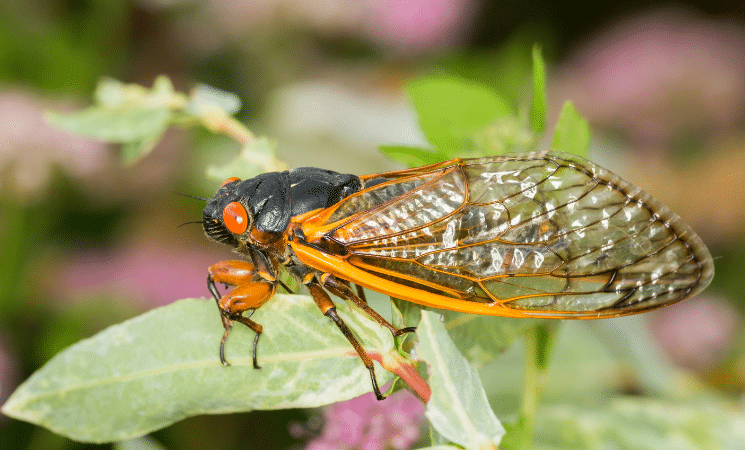
Cicadas emerge every year, and 2021 is the year of Brood X. As a part of the Megacicada family, these flying insects have spent the last 17 years below ground, sucking sap from tree roots. Experts expect Brood X to emerge sometime between now and mid-May in about 13 states, including right here in North Carolina. While they'll make a racket, Nature's Select Piedmont wants you to know these insects won't harm you or your lawn, unlike other pests. In fact, here are some key facts we'd like to share.
1. Cicadas Are Not Locusts
Cicadas often get confused for locusts, a more destructive insect that can eat an entire field of crops in a matter of minutes. But this just isn't the cicada way. Instead, cicadas are rather harmless flyers, have no stingers, and won't bite. There is also no reason to suggest that they harm crops, flower beds, or trees. In fact, in their brief time above ground, cicadas give back more than they take.
2. Cicadas Have a Long Lifespan
Of all the insects on the planet, cicadas have one of the longest lifespans. Known as periodical cicadas, these insects spend 13-17 years below ground, only emerging once to mate, lay eggs, and then die, all within a matter of weeks. Most of the lifespan of a cicada is spent as a nymph, and they tend to shed their outer exoskeleton about five times before emergence. These exoskeletons are high in nitrogen and other nutrients, which feed trees and other ground insects.
3. Cicadas Overwhelm Predators
Because they don't have many defenses, cicadas emerge in broods, often spanning 1.5 million acres or more. Known as predatory sedation, their sudden emergence from below ground stuns and confuses predators, allowing many to escape to hiding places in trees and gardens. Birds, skunks, and other carnivorous animals love feasting on cicadas, but with millions emerging at once, predators can only eat so many before getting full.
4. Cicadas Are Loud
The song of the cicada is loud. With millions of males sounding off all at once, experts say cicada noise can be as deafening as a lawnmower. It's expected that this Megacicada will produce noise up to 100 decibels. To make such a racket, males rapidly vibrate a pair of ribbed membranes called tymbals on either side of their abdomen. They do so with minimal effort, and even the Navy's Undersea Warfare Center has studied how they do it.
Cicadas Won't Slow Us Down
Since cicadas don't do much harm or damage to plants and flower beds, there's no reason to panic when they emerge. What you should be concerned about are boxwood diseases, the health of your trees, and lawn diseases. So, if you live in Piedmont, NC, and the surrounding areas, call Nature's Select Piedmont for all of your professional lawn care. Dial (336) 544-4554.