How Harsh Chemicals Affect Your Soil
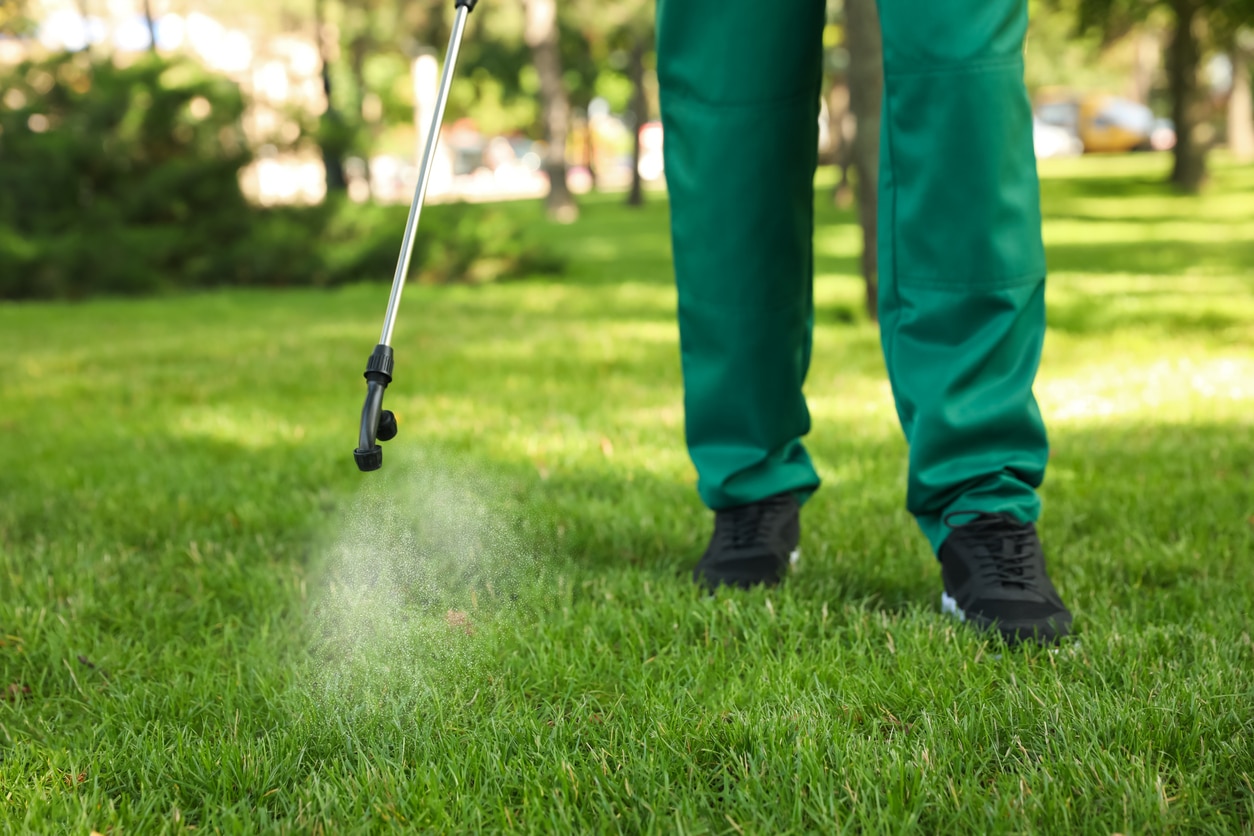
If your lawn could talk, it would probably ask for a healthier soil life, because that’s where the real magic happens. The tricky part? When harsh lawn chemicals are used too often (or incorrectly), they don’t just target weeds and bugs. They can also disrupt the tiny ecosystem beneath your feet that keeps grass resilient in the first place. At Nature's Select®, we’re big believers that a great lawn starts with thriving soil biology. And here's how those harsh chemicals affect that precious ecosystem.
Your Lawn’s Soil Is a Living Ecosystem
Healthy soil isn’t just dirt—it’s a busy neighborhood of microbes, fungi, earthworms, and beneficial insects. These organisms break down organic matter, cycle nutrients, and help roots absorb water efficiently. When the soil ecosystem is balanced, your lawn can better handle heat, drought, and everyday stress. When it’s out of balance, grass struggles, weeds move in, and problems tend to repeat like a bad sitcom.
What Harsh Chemicals Can Do Below the Surface
Some synthetic fertilizers, weed killers, and broad-spectrum insecticides can reduce microbial diversity over time, especially if applied heavily or frequently. That matters because microbes are like your lawn’s behind-the-scenes maintenance crew. When they’re weakened, soil can become compacted, less able to retain moisture, and slower to recover. In some cases, repeated chemical use can contribute to that cycle homeowners hate: treat one problem, then another pops up—thinning turf, fungal issues, or increased pest pressure.
Signs Your Soil Might Be Stressed
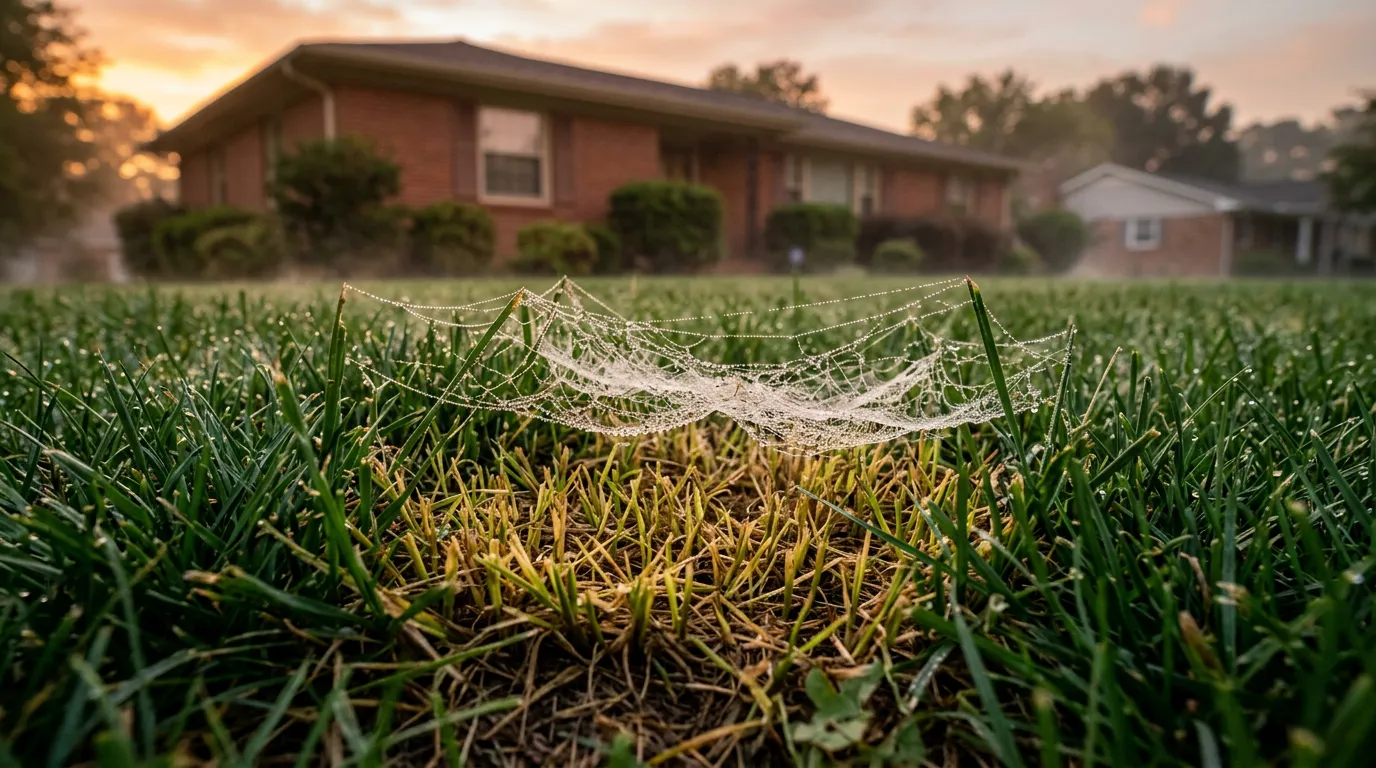
Not sure what’s happening underground? Watch for clues above ground. Grass that greens up fast but fades quickly, patches that don’t bounce back after mowing, standing water, or lawns that feel hard and crusty can all point to soil health issues. If weeds aggressively return each season, it can also be a sign that your turf is too weak to compete.
Smarter Lawn Care Moves That Support Soil Health
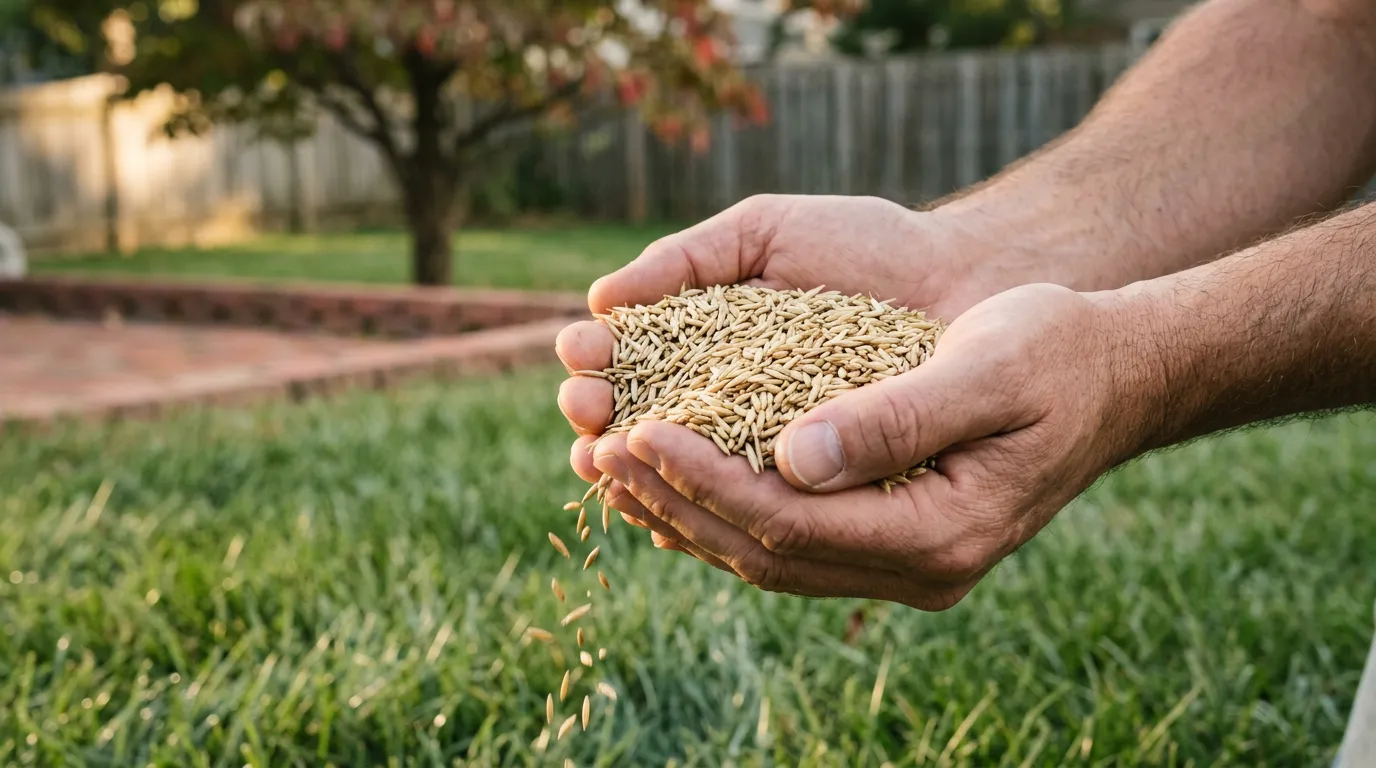
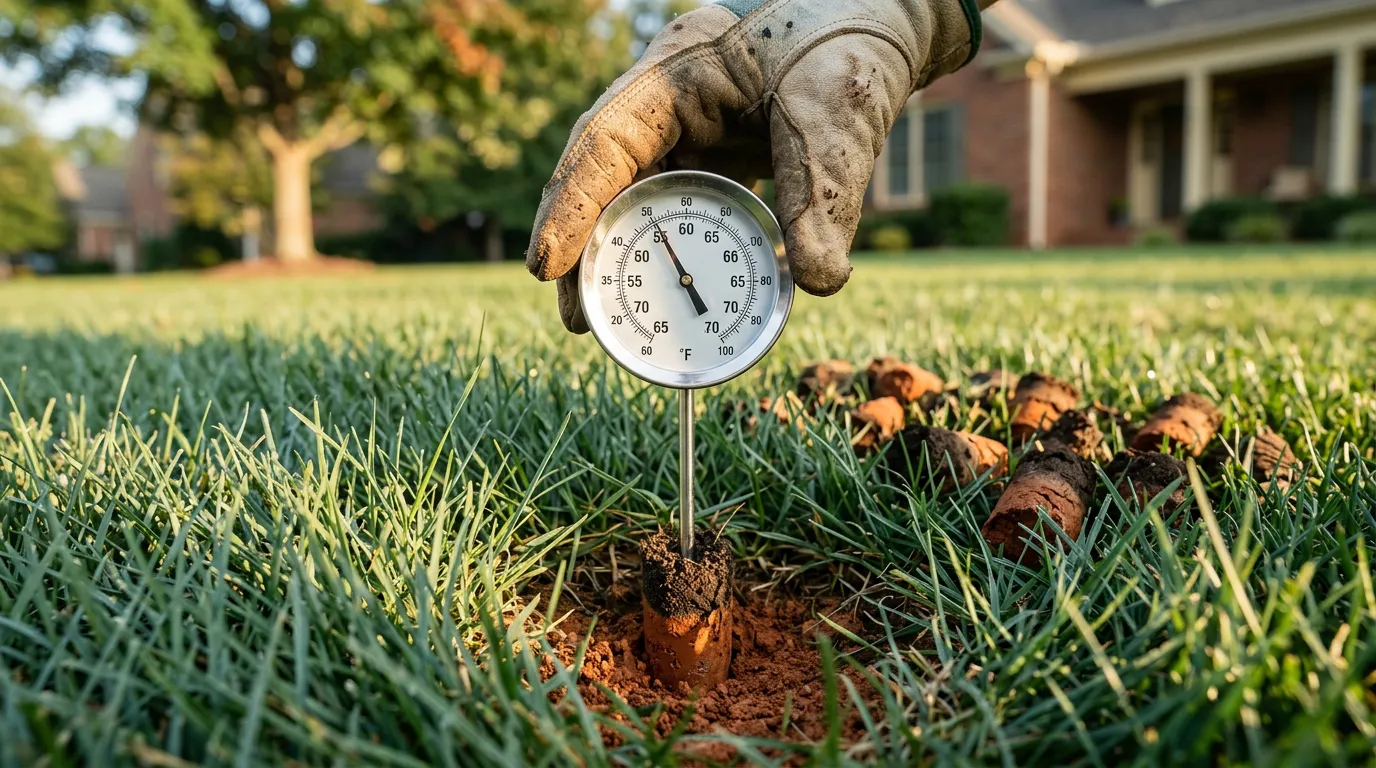
Start with practices that strengthen the root zone. Aeration helps relieve compaction and improves airflow and water movement. Overseeding thickens your turf so weeds have less space to take hold. And pest control should be targeted—because “nuking everything” isn’t the goal. The goal is balance.
Build a Lawn That Works With Nature
Curious about a healthier approach? Nature's Select® supports homeowners across Chapel Hill, NC, with lawn care treatments designed to protect and strengthen your lawn from the ground up—like aeration & overseeding, chinch bug control, and weed control. Request an estimate at (888) 786-9735.