How Trees Pose a Risk to Power Lines
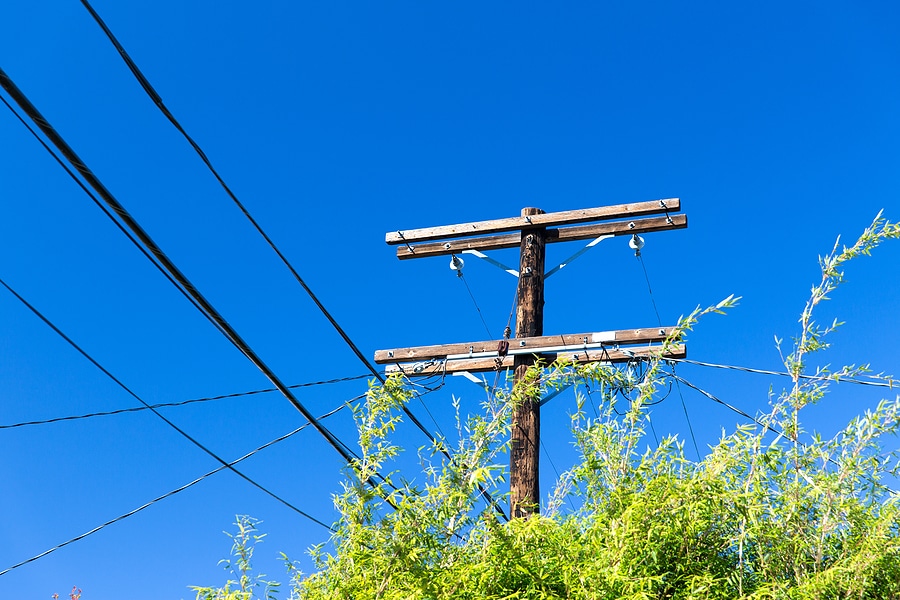
Trees growing too close to power lines can pose a severe risk. Overgrown trees can cause power outages and, in some cases, spark a fire. While Nature's Select Piedmont can help your trees grow big and strong, you should still care for them properly and prune them when necessary, especially when they start to linger over power lines. Doing so will help you mitigate these hazards and risks.
Electrical Shock
Trees and power lines don't mix and pose a serious safety hazard. What many homeowners don't realize is trees can conduct electricity, which means that anyone who touches a tree that's touching a power line is at risk of being electrocuted. That's why it's so important for trees to be properly trimmed and maintained. By keeping trees away from power lines, you can keep everyone safe.
Fire Risk
Trees are an essential part of the ecosystem, providing shade, homes for wildlife, and oxygen for us to breathe. However, overgrown branches can rub against the lines, causing sparks that can lead to fires. And while utility companies do their best to trim trees that are close to power lines, there are often simply too many trees to keep up with. As a result, homeowners need to be proactive about trimming trees on their property.
Power Outages
Power outages are rather inconvenient, especially in the summer heat. Power outages can have many different causes, including overgrown trees. So, if you notice your branches are getting dangerously close to those power lines, it's time for a trim! Pruning the branches back helps keep your property safe and the lights on.
Care for Your Trees Properly
Having mature trees on your property comes with a great deal of responsibility. So, when you need help caring for the health of your trees, contact Nature's Select Piedmont. We have great tree and shrub care programs, as well as lawn disease and lawn pest control programs for residents throughout Greensboro, NC. For a free estimate, call us today at (336) 544-4554.