It All Starts with the Soil
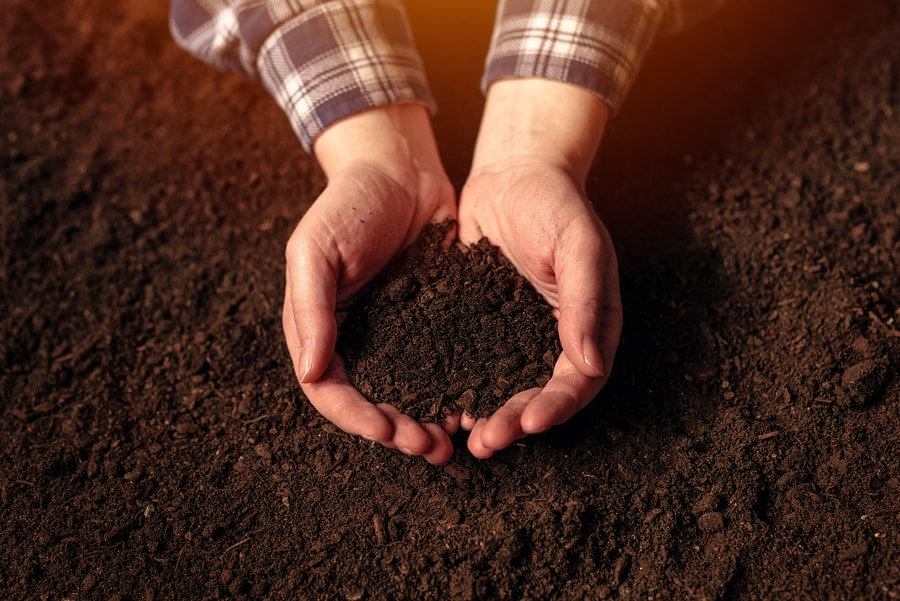
"If any single aspect of turf management ranks above the others, it's soil", says Dr. Nick Christians, an agronomy professor at Iowa State University's Ames campus. And at {{company_name}}®, we couldn't agree more. As you prepare your lawn and plant beds for the spring and summertime, it's important to start from the ground up, and that means caring for your soil.

Why Does Soil Matter?
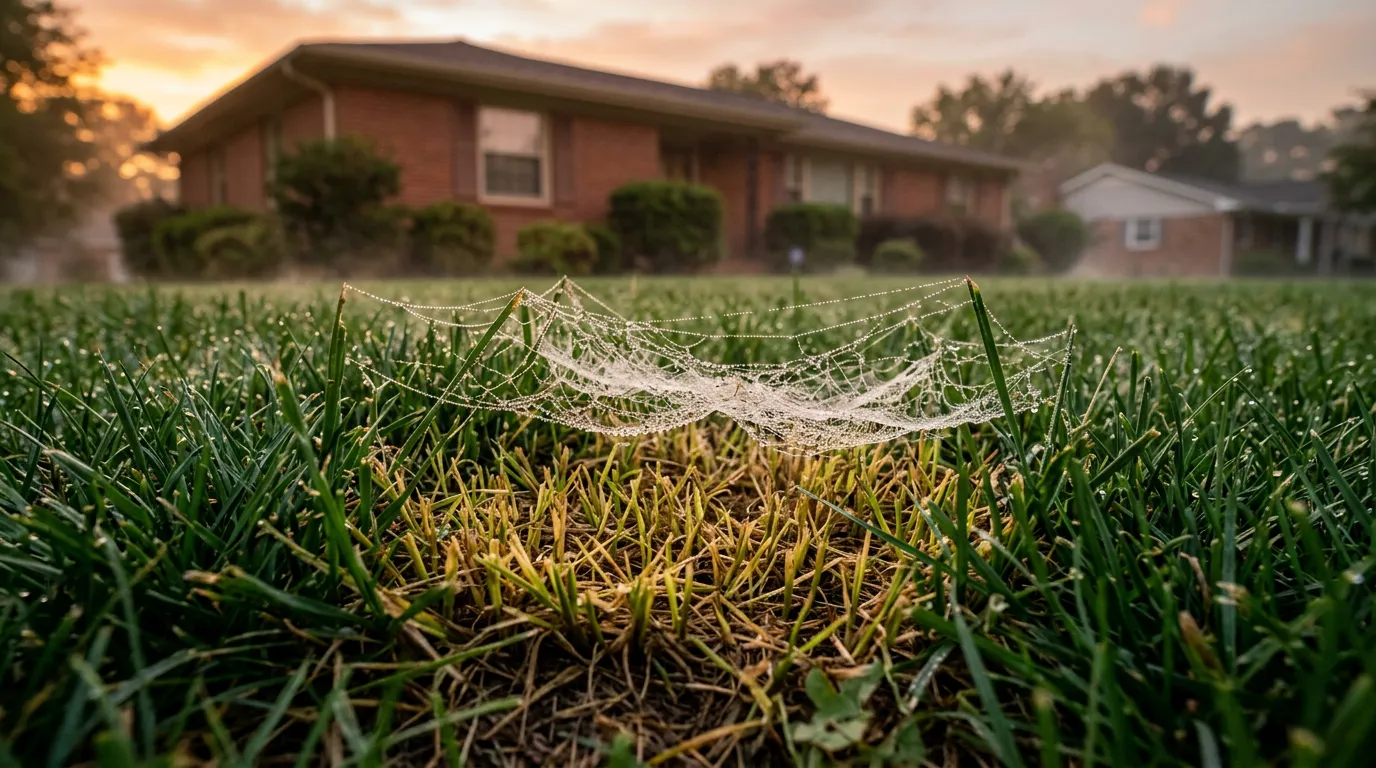
When planning your landscaping, you may be envisioning the beautiful flowers you'll be able to enjoy or the garden vegetables you'll be able to cook with. However, Dr. Christians observes that many lawns in the Midwest region are established on poor soil, which can cause problems for years. A subsurface clay or gravel soil, or an imbalanced pH, may be causing your grass, flowers, or vegetables to fail. So instead of blaming your green thumb, it may be that your organic material needs to be adjusted.
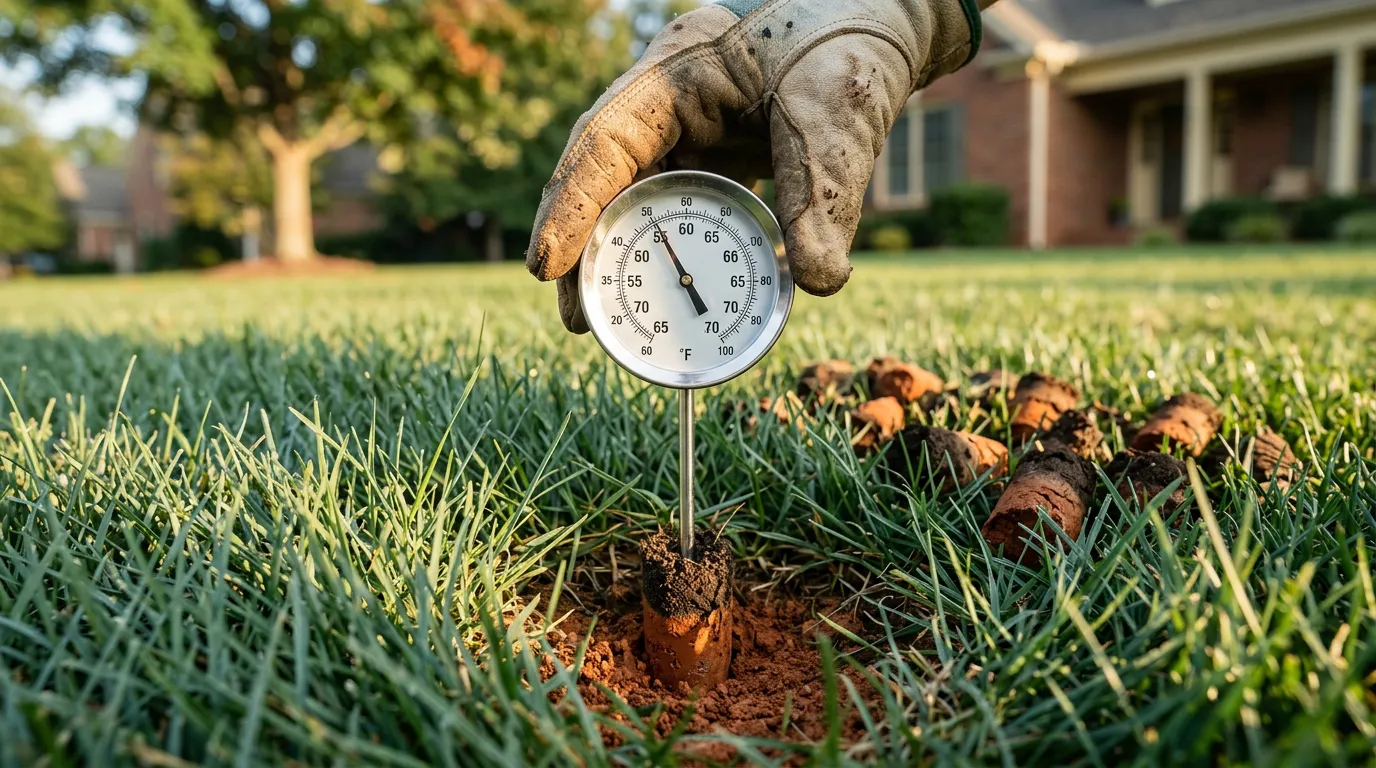
Get a Soil Test
Dr. Christians recommends starting with getting your soil tested. Our professional team uses a soil analysis to custom formulate and blend the biological material best suited for your lawn. Our technicians will then continue to monitor your lawn going forward, inspecting it regularly for any problems.
How to Fix It
Our team improves soil health by using a trademark mix of essential grass plant nutrients, high quality weed controls, and organic and biological products. Dr. Christians recommends adding materials such as compost or peat to improve the health of the soil. He points out that sand is often added to athletic fields to help their appearance. However, he warns against adding sand into clay-based soil because that will result in concrete. By using our organic mix, you'll see improved drought tolerance and less water usage, healthier and deeper root systems, and more efficient nutrient uptake.
At {{company_name}}® we like to say "Healthy Soil = Healthy Lawn = Healthy Family". Contact us today by calling {{local_phone}} for a free estimate and to start your journey towards healthier soil.