Nature's Select Pest Control Services
Pests can wreak havoc on your green grass, and no one wants to run barefoot through bug-infested lawns. And your best bet is prevention. At {{company_name}}®, we believe that that true pest management isn't about extermination and eradication, it's about controlling the pest population in order to limit the amount of damage they can do. Read on for a list of the pests we typically deal with here in the Winston-Salem area, and the damage they can do to your lawn if left unchecked.

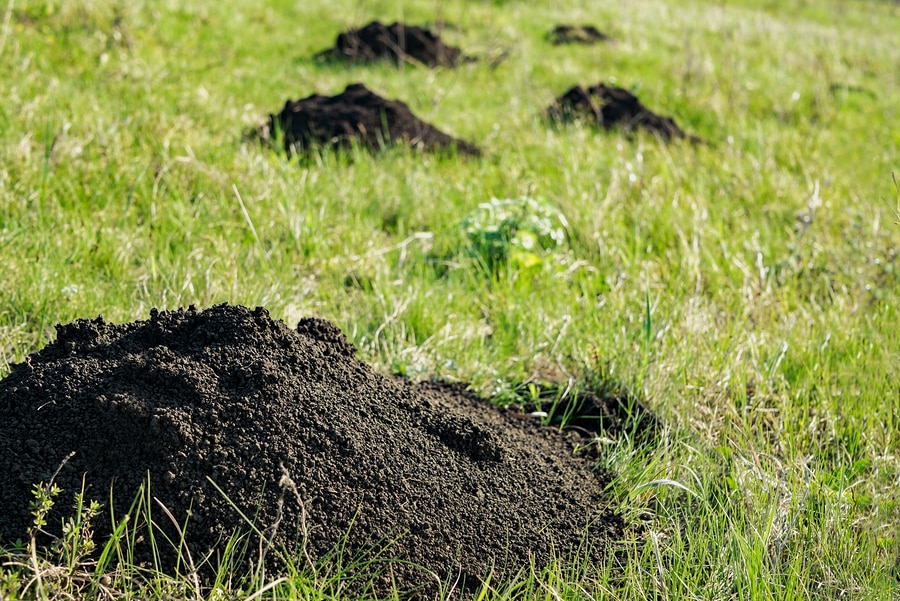
Moles
Moles, and the hills and tunnels they make, can cause significant damage to your lawn. They create tripping hazards and leave grass roots exposed, which can then kill the grass. However, moles are a protected species, so instead of exterminating them, we control them by controlling their food source: grubs.
Voles
Voles are similar to moles in the way they tunnel underground. However, voles eat a lot of plant material, like roots and bulbs, which can kill the plants in your landscape. Often, homeowners are unaware that they have a vole problem in the wintertime; then as the snow melts, they find the unwelcome sights of vole "runways" in their lawns.
Japanese Beetles
A Japanese beetle infestation can move through your garden very quickly. They chew leafy greens, as well as the roots of your grass, causing brown patches of dead or dying grass.
Geese
Geese often seem harmless, even enjoyable at first. However, their population tends to grow quickly and the damage to your lawn can quickly get out of control. Geese degrade yards, with each goose leaving pounds of excrement each day, thus leaving bacteria and parasites behind. In addition, they eat an incredible amount of grass each day and tend to be aggressive towards humans. {{company_name}}® uses a repellent that is harmless to the geese, but encourages them to move elsewhere.
Mosquitoes and Insects
While mosquitoes and other insects aren't necessarily damaging to your grass and plants, they do make your yard unusable. Your family and friends don't want to be subject to itchy bites or the threat of the diseases they carry. We use a combination of products in conjunction with a garlic-based repellent to control live mosquitoes and their eggs.
There’s nothing more frustrating than putting time and money into your landscaping only to see it come under attack from insects and critters. Contact {{company_name}}® today at {{local_phone}}, to begin a program that will build the health of your soil and plants, and control damage-causing pests.