The 4 Stages of the White Grub Lifecycle
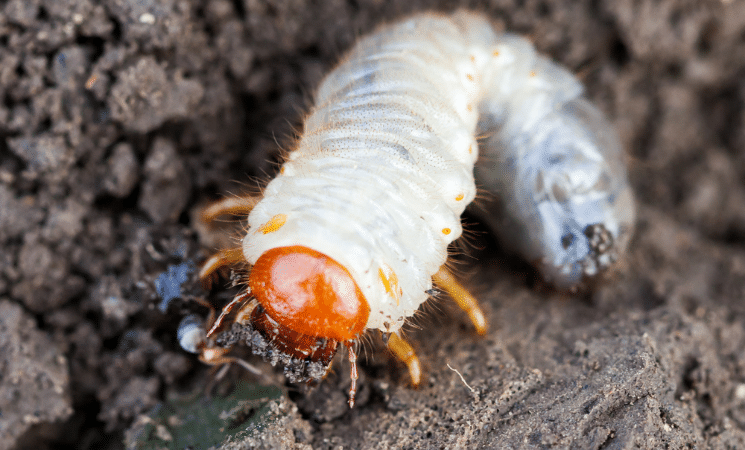
For a healthy lawn to thrive, all living organisms must work together, including worms, bugs, and microorganisms. However, grubs of beetles are not helpful, and many can cause significant damage. As trusted professional lawn care experts, Nature's Select Sandhills treat lawns throughout the area for grub damage. We see these pests all the time, so we're able to inform our clients of the grubs' lifecycle and stages in their lawn.
1. Egg Stage
Adult beetles tend to lay their eggs in holes around your lawn between June and August every year. In healthy, warm conditions, these eggs will hatch within two weeks. Several factors create the prime environment for grubs, including the health of your lawn, moisture, and food sources available.
2. Larvae Stage
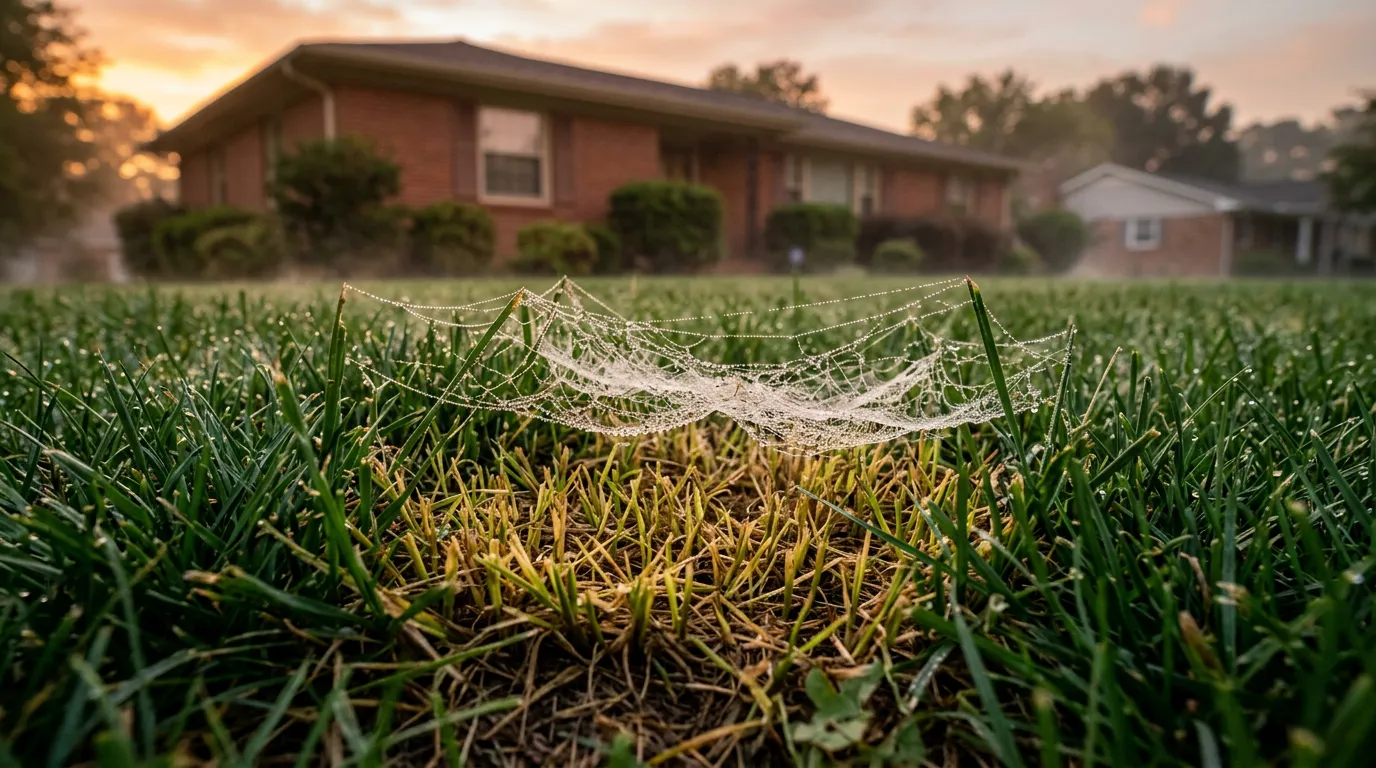
Once the eggs hatch, tiny first instar larvae emerge and begin eating away at the shallow root system of your grass. As these larvae grow and mature into 2nd and 3rd instar, their feeding becomes more aggressive. This is when the damage becomes evident, and homeowners start to see brown patches in their lawns. White grub overwinters at the 3rd instar grub, burrowing deep into the ground below the freeze line. These white grubs won't emerge again until spring.
3. Pupae Stage
Once the ground has thawed and the larvae finish their feeding schedule, they transform into pupae and remain in the soil for several weeks. It's during these last few weeks that the grub grows quickly and transforms into a beetle. The most common type of beetle is the dreaded Japanese beetle, which then emerges and causes major headaches for landscapers and homeowners.
4. Adult Stage
Adults emerge near the beginning of the summer months, which makes it difficult to realize they were growing well below the surface of your soil. Once they emerge, adult beetles spend about two to three weeks mating before laying nearly 60 eggs throughout your lawn. For most lawn beetles, this entire lifecycle is completed within one year, except for the June Beetle, which has a three-year lifecycle.
Stop Grubs in Their Tracks
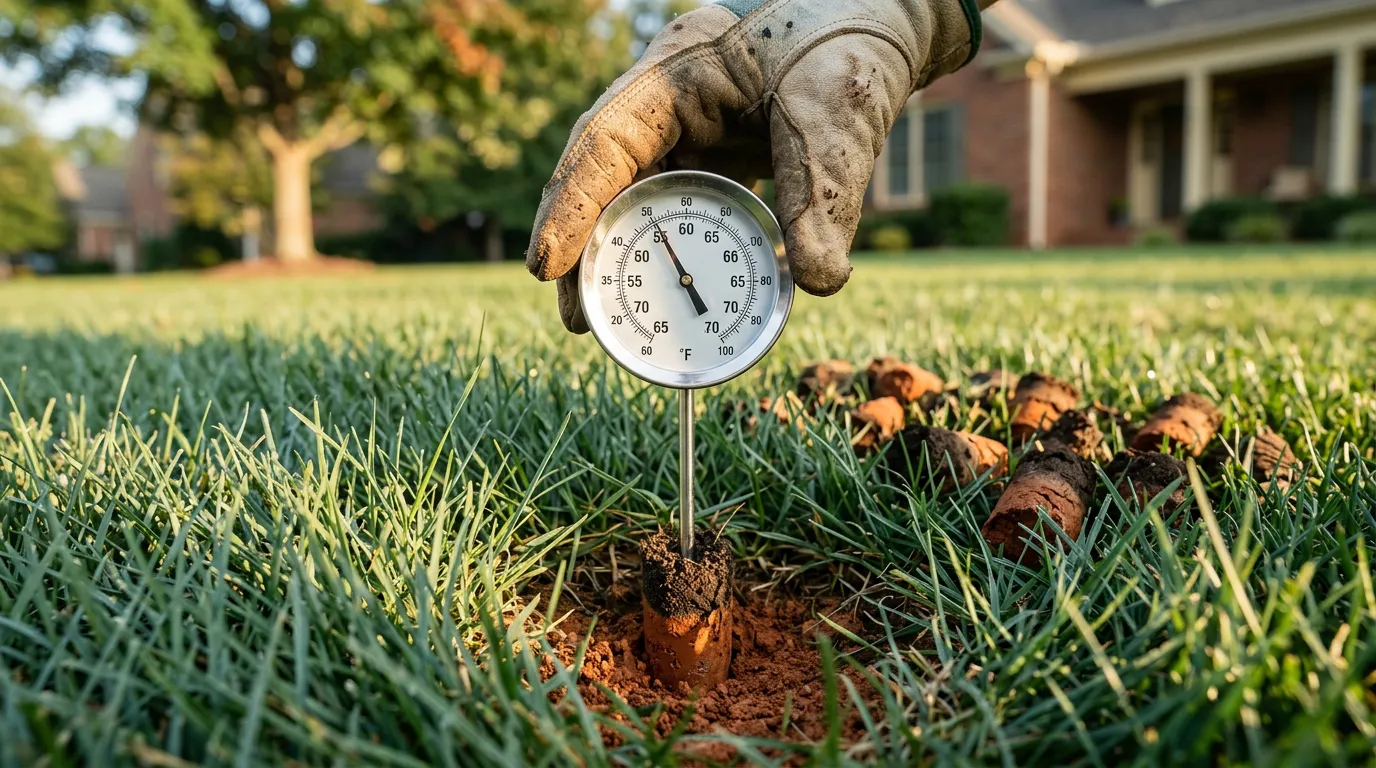
Preventing grubs in your lawn requires special pesticides and regular treatment. If you begin to notice brown patches in your lawn during the summer, white grubs could be the culprit. Nature's Select Sandhills recommends you dig up the soil in several small patches around your lawn to investigate for these small pests. If you find them, then it's time to give us a call! We'll also look for other lawn diseases and shrub diseases. We serve residents throughout Sandhills, Pinehurst, Southern Pines, and Seven Lakes, NC. Get your free estimate today when you call (910) 757-0359.