What Happens to Grass in the Winter?
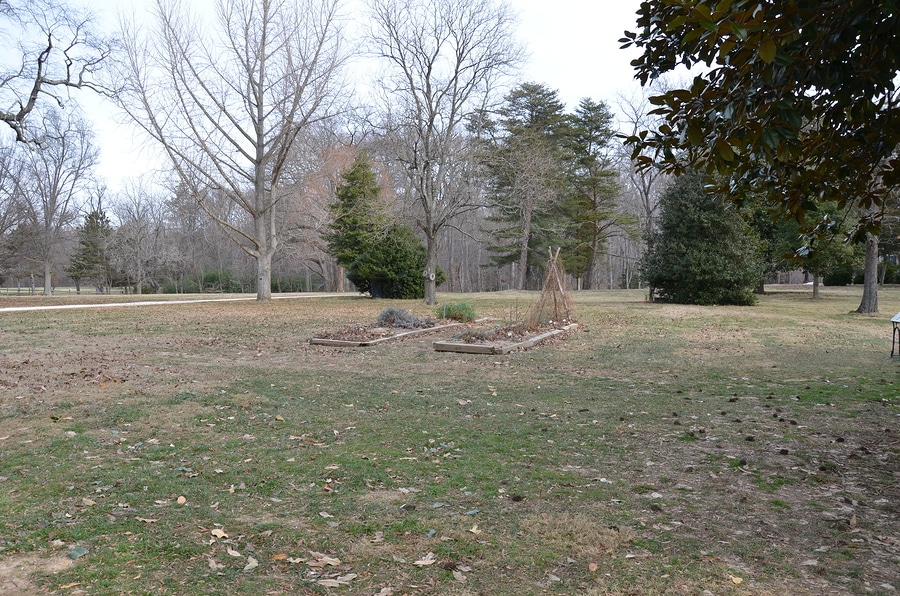
In North Carolina, winter is here and many homeowners wonder what exactly happens to their grass during these cold months. Does it die? Go dormant? What do I need to do to care for it? Our team at {{company_name}}® are experts in all things lawn care, and we love to share our knowledge and experience. Armed with knowledge, you can have a healthy lawn all year long.

Winter Grass
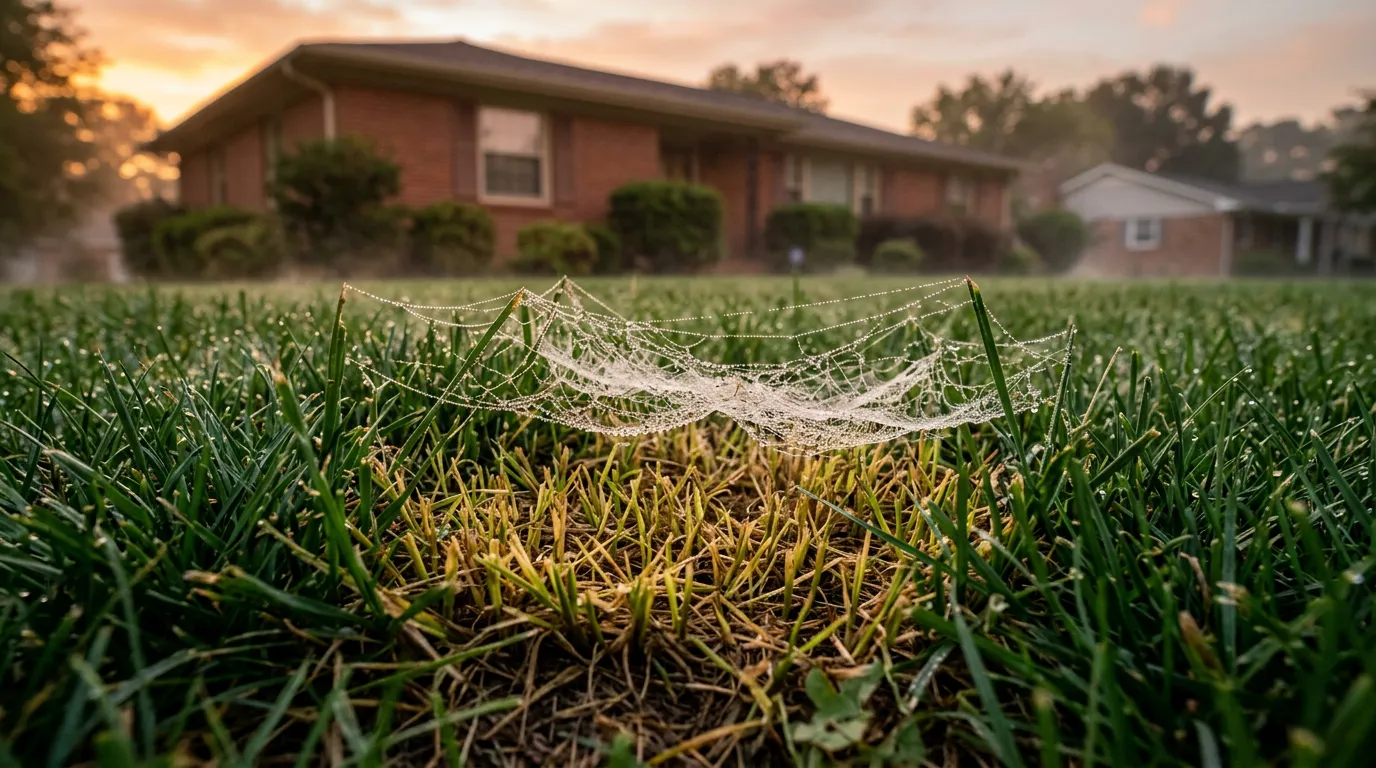
In the colder, winter months, it is normal for your lawn to turn brown and appear to be dead. However, brown grass does not always equal dead grass. In fact, telling the difference between dead and dormant grass can be tricky, especially in the wintertime when water supply can be scarce. When your lawn doesn't have enough water, it will go dormant and turn brown to protect the crown. However, as long as the crown remains intact through the winter, it will come right back to life in the spring.
Dead or Dormant?
To tell the difference between dead and dormant grass, ask yourself these questions:
- Is it brown?
- As we mentioned before, brown grass does not equal dead grass, but it is the first warning sign that you should investigate further.
- Does it turn green when you water?
- If you water your lawn or there is a rainfall and your lawn turns green again, it's not dead. It's just hibernating.
- When was the last time it was watered?
- If it hasn't rained in two weeks, your lawn is pretty thirsty. Monitor the weather and make sure your lawn gets one good watering every two weeks in order to ensure it stays dormant, but not dead.
What to Do
Lawn care is, of course, easier in the winter time. You don't need to worry too much about watering or mowing. However, there are a few things to do on a regular basis to make sure your lawn is ready to come back healthy in the spring.
- Don't overwater
- Overwatering can cause mold and harmful bacteria to grow.
- Stay off the grass
- Keep your grass in the best shape by staying off of it as much as possible in the winter time.
- Keep it clean
- Continue to weed on a regular basis and clear away leaves so there's nothing blocking necessary sunlight
- Winterizer
- Our select lawn care system provides a much-needed nitrogen source for the lawn. The cold weather months are the time of the year when food sources are stored in the root system of the turf in preparation for the spring growth explosion.
At {{company_name}}®, we know that healthy winter lawns become beautiful spring lawns. Contact us today at {{local_phone}} to request your free estimate on our select lawn care system. We serve Winston-Salem and the surrounding areas.