5 Eco-friendly Lawn Care Tips
Traditional lawn maintenance methods often involve the excessive use of chemicals and water, which can harm the environment and deplete valuable resources. However, embracing nature and implementing sustainable practices can create beautiful, vibrant lawns while minimizing our ecological footprint. Continue reading to learn more from the Nature's Select® team.
1. Reduce Water Consumption
Conserving water is a fundamental aspect of eco-friendly lawn care. Water deeply and infrequently. Instead of shallow and frequent watering, deeply water your lawn once or twice weekly. This encourages deep root growth and reduces evaporation. You could also install a rainwater harvesting system by collecting rainwater in barrels or tanks during rainy seasons to water your lawn during drier periods. Another option is to use a soaker hose or drip irrigation system. These methods deliver water directly to the roots, reducing wastage through evaporation.
2. Embrace Native Plants
Introduce native plants to your lawn and garden as they are adapted to the local climate, requiring less water and maintenance. Native plants also provide food and shelter for local wildlife, enhancing biodiversity. Replace sections of your lawn with flowerbeds, shrubs, and trees native to your region. They can be both beautiful and beneficial to the ecosystem.
3. Practice Natural Weed Control
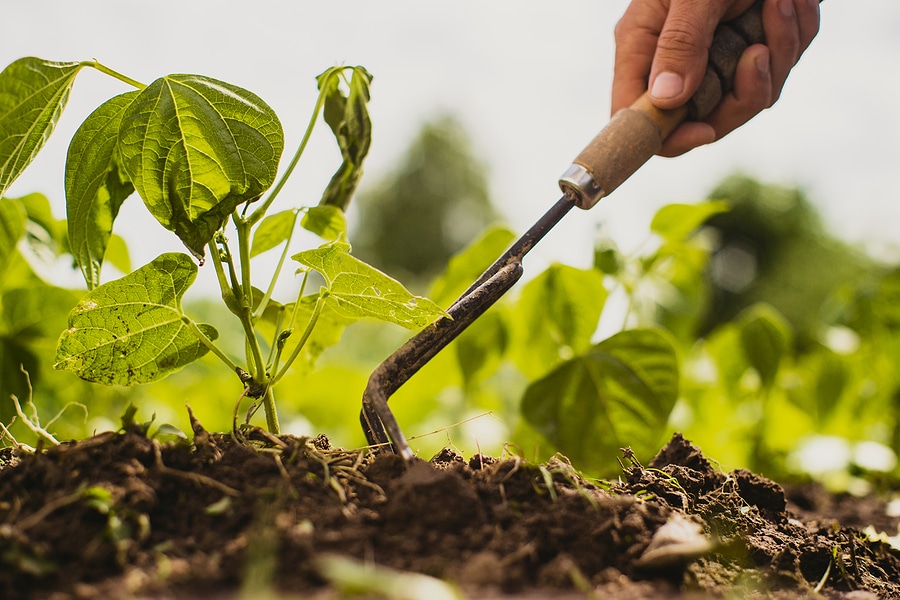
Instead of relying on synthetic herbicides, explore natural alternatives for weed control, such as manual weed removal. Hand-pull weeds or use gardening tools like a weeding fork to extract them from the root. You can also apply a layer of organic mulch, such as wood chips or straw, to suppress weed growth and retain moisture in the soil. Lastly, use corn gluten meal, a natural pre-emergent herbicide, to prevent weed seeds from germinating. Be sure to follow the instructions for proper application.
4. Use Organic Fertilizers & Compost
Chemical fertilizers can contaminate waterways and disrupt the natural balance of the soil. Instead, use organic fertilizers or create your own compost to nourish your lawn naturally. Collect grass clippings, leaves, and kitchen scraps in a compost bin. Once decomposed, spread the nutrient-rich compost over your lawn as a natural fertilizer. You can also use eco-friendly products that contain natural ingredients like seaweed, bone meal, or composted manure. These provide slow-release nutrients and improve soil health.
5. Mow Responsibly
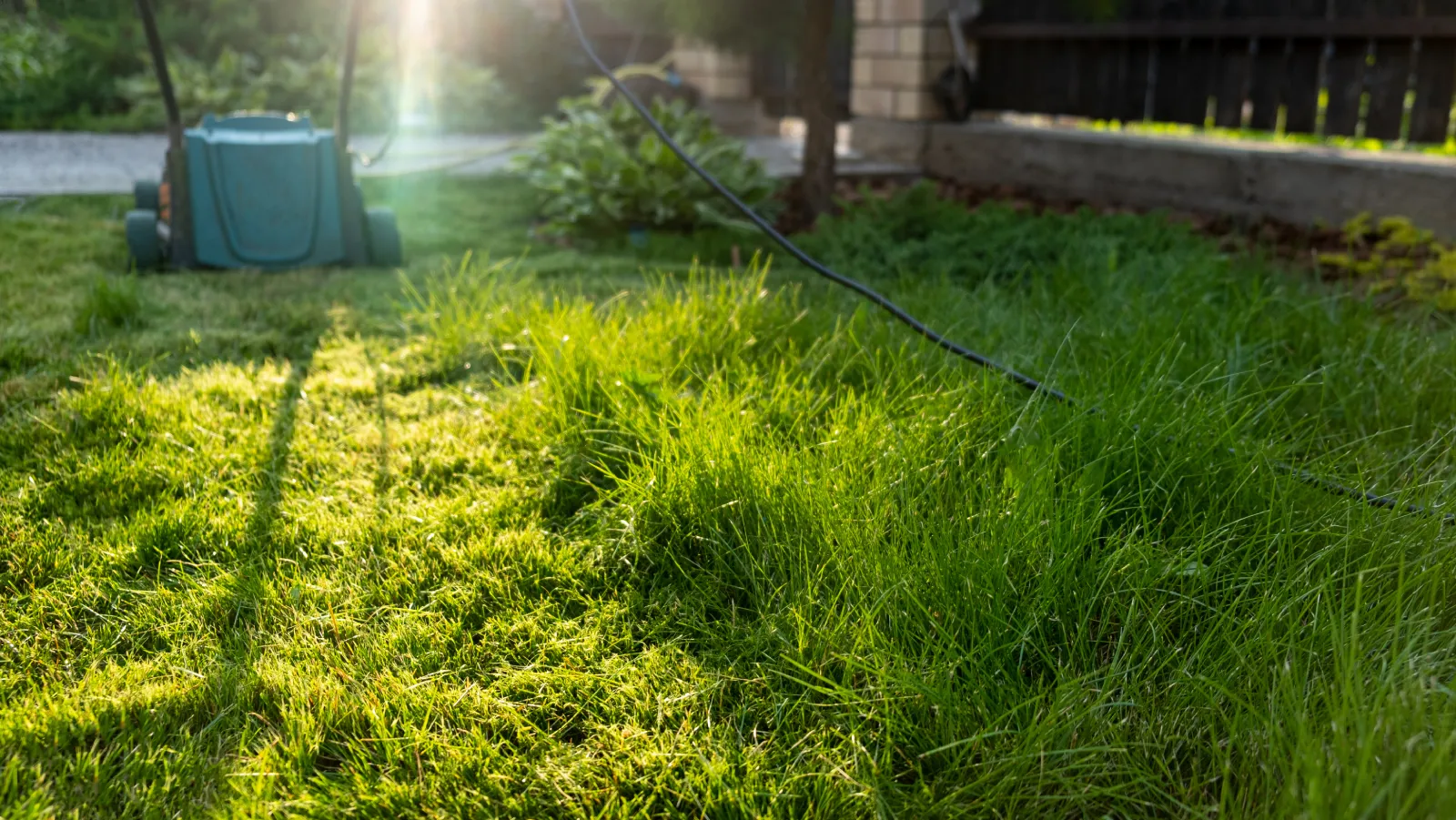
Regular mowing is essential for maintaining a healthy lawn, but it's crucial to do it responsibly. Set your mower to a higher cutting height. Longer grass shades the soil, reducing water evaporation and preventing weed growth. Leave grass clippings on the lawn. Grass clippings act as a natural fertilizer, returning nutrients to the soil. This practice, known as grasscycling, reduces the need for additional fertilizers.
Ready to take your lawn to the next level? Nature's Select® offers quality lawn care services to the Winston-Salem area. Contact us today for a free estimate.