How to Control Bermuda Grass
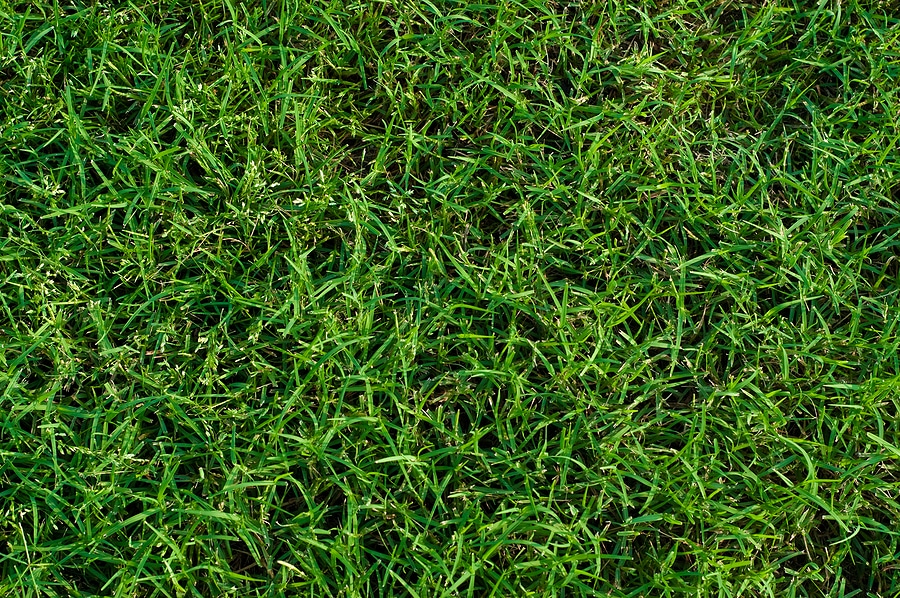
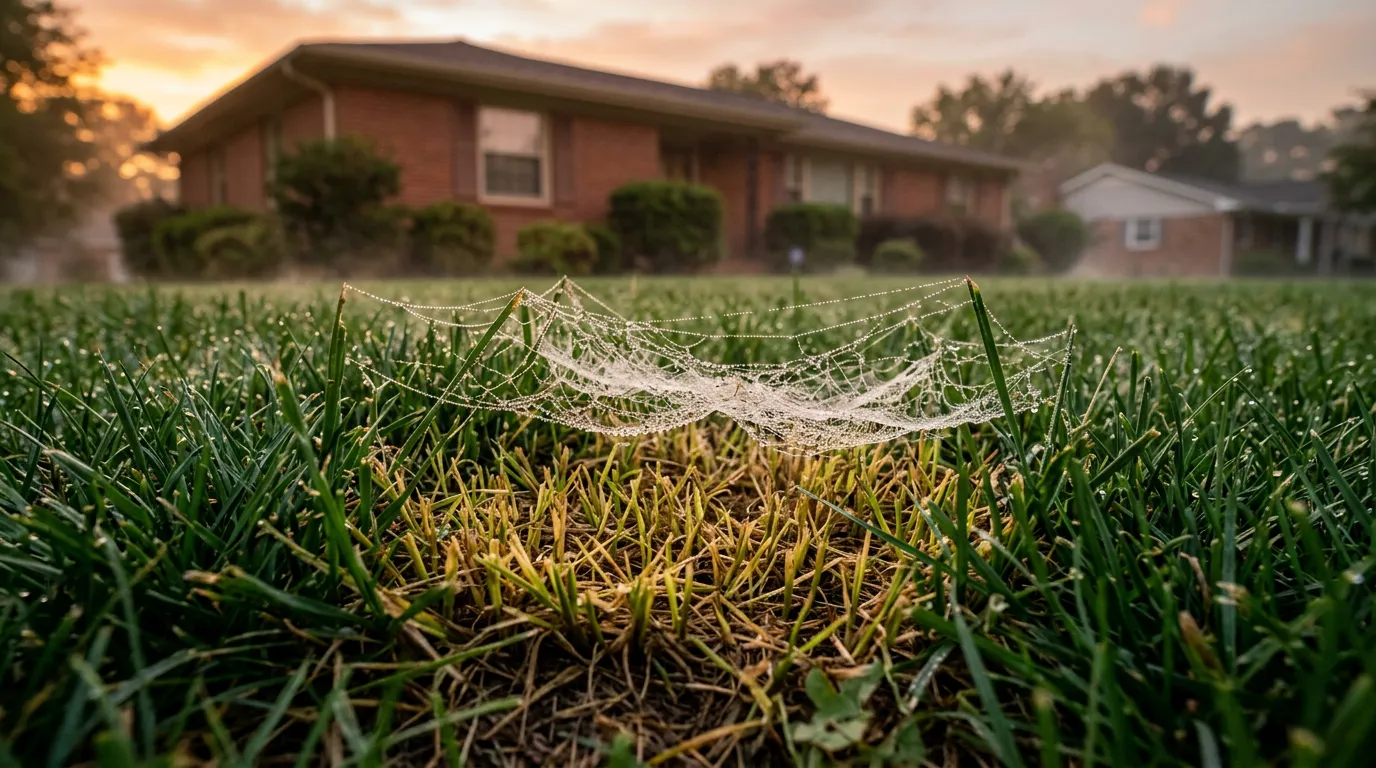
Bermuda grass is a perennial, warm-season grass that is characterized by its toughness, adaptability, and creeping growth habit. This means that "wild" common varieties can quickly get out of control and sprout in areas where it is not wanted, like your lawn, flower garden, and even field crops. At {{company_name}}®, we understand that homeowners have differing opinions when it comes to Bermuda grass, some are okay with it growing in their lawns, while others see it as a weed. That's why we have a few different control options to consider so you can choose one that fits your level of tolerance of the grass.

Option 1: Keep the Grass & Overseed with Rye
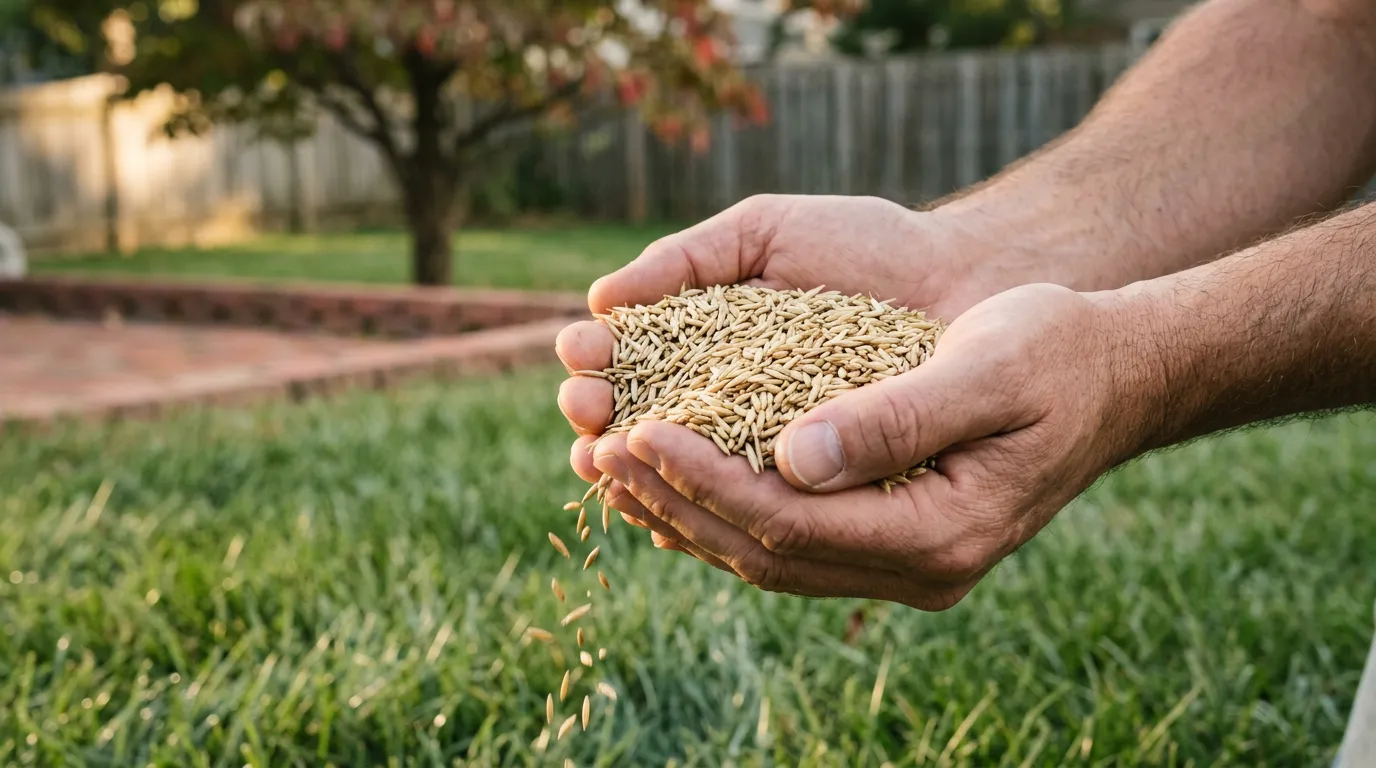
For the homeowner who doesn't mind Bermuda grass, we give you the option of keeping it as your dominant turf. We will use our select lawn care program to help you make the most of the turf you have while giving you the option to overseed with rye grass in the fall. Bermuda grass grows quickly into a dense lawn that is capable of keeping weeds at bay, and is highly tolerant of insects and disease. So, if you don't mind the look of it, this is a good option.
Option 2: Bermuda Suppression
In lawns that are predominantly composed of tall fescue with a few sections of Bermuda grass, we have found that suppression works well. Our team uses a combination of control products applied twice in August to reduce the Bermuda grass population in a lawn by 85 to 95 percent. This option keeps the grass from creeping out of bounds and into your flower beds or your neighbor's yard.
Option 3: Bermuda Removal Process
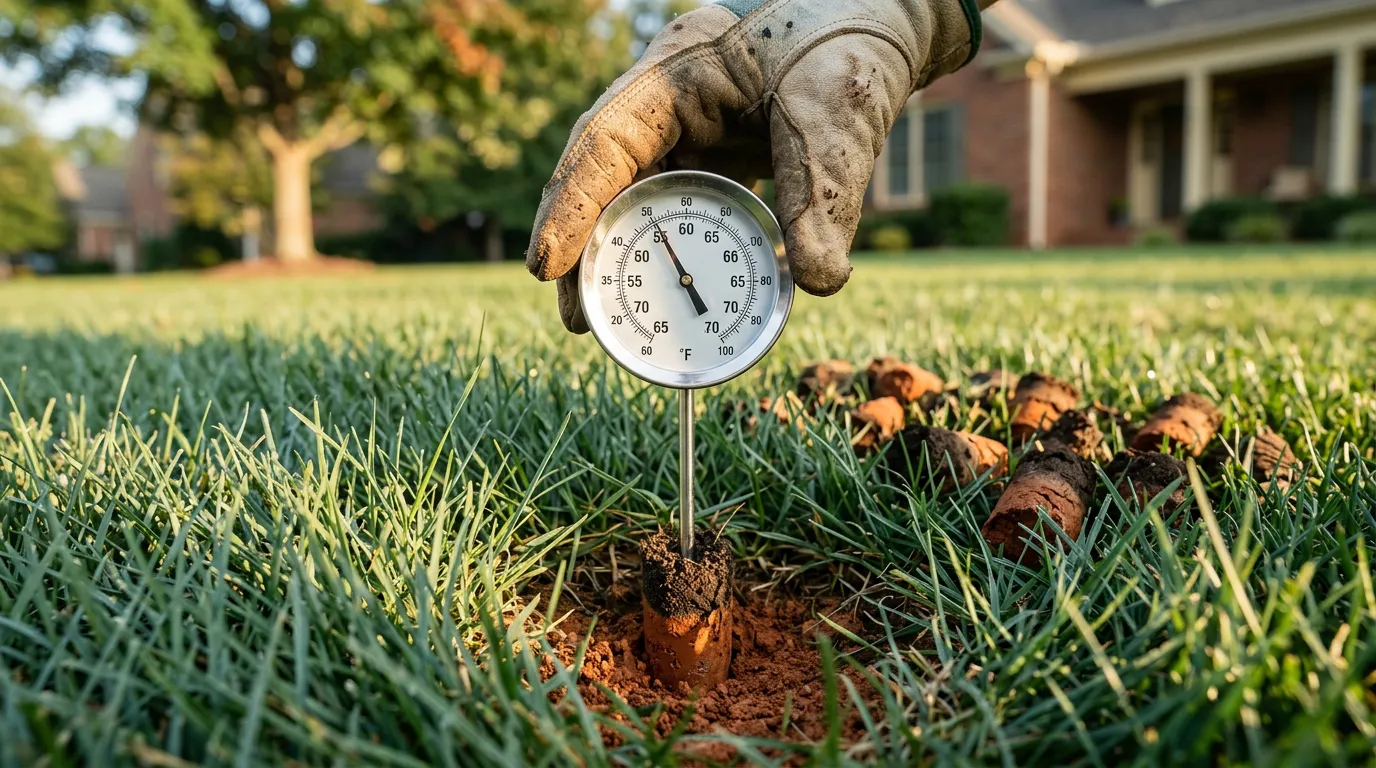
Finally, for those homeowners who have a zero-tolerance policy when it comes to Bermuda grass, we have an option to remove it completely. However, it's important to remember that the process is not easy, and it takes time and patience to be successful. First, your lawn must be fertilized and allowed to grow tall, then sprayed with a removal product that will cause the grass to wither and die. Next, we mow the treated area at a low height and spray again (one or two more times). Finally, we will replace the Bermuda grass with new, more desirable turf, through seeding.
If Bermuda grass is a concern of yours, contact us today at {{local_phone}} and get started with one of our control programs. We serve Winston-Salem, NC, and the surrounding areas with superior lawn care, and we look forward to working with you.