Nature's Select Logo
Home
Resources
Blogs
Frequently Requested Lawn Care Tips
Frequently Requested Lawn Care Tips

May 15, 2022
2 minutes read

A good, quality lawn requires a lot of work. The benefit, though, is that the work pays off in a wonderful way. If you take the right steps to keep your yard healthy, you'll increase your curb appeal, have a nice place for your kids and pets to play, and be the envy of all your neighbors. The tricky part is knowing where to start. The lawn care professionals at {{company_name}}® have put together these tips to get you started.

Frequently Requested Lawn Care Tips

Tips for Mowing Your Lawn

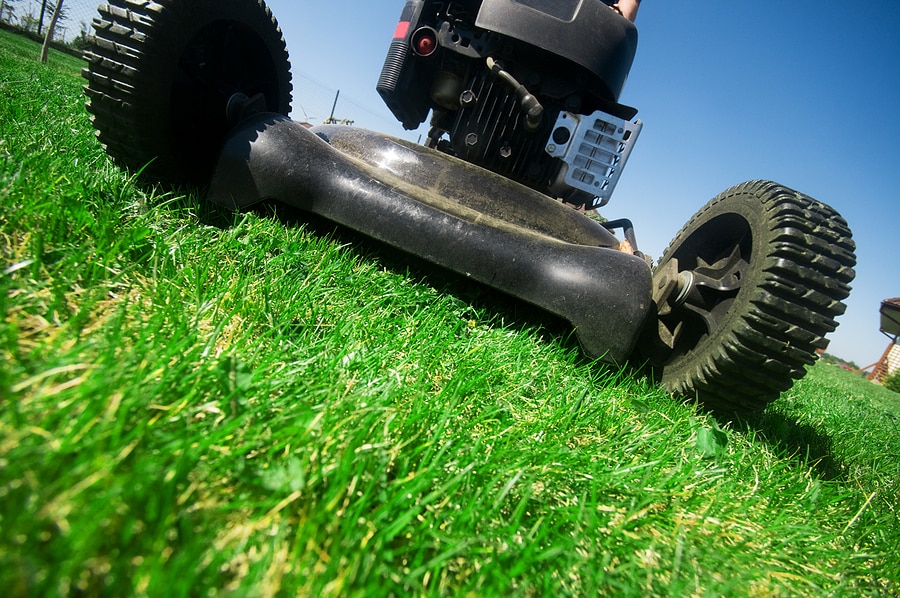
The biggest tip for mowing is to maintain a good, healthy height for your lawn. We recommend mowing your lawn at a minimum of three inches during the growing season. A good rule of thumb is that you should be able to walk through your yard, leave a footprint, and see that footprint bounce back. If there are no footprints then your grass is too short, and if the footprint stays then your grass is too tall. You'll also want to mow frequently enough so that you're only cutting one-third of the blades of grass off.

Some bonus tips for mowing your lawn are to keep your blades sharp, change directions each time you mow, and leave the clippings on the lawn. The clippings are essential in recycling nutrients back into your soil.

Tips for Watering Your Lawn

Without a sprinkler system, it can be difficult to keep up with watering your lawn. In general, you'll get the best results by watering your lawn with one inch of water per week. This is, of course, during dry spouts. If you're receiving a decent amount of rain, there is no need to add extra water to your lawn. You'll want to water deeply and then wait two to three days before watering again.

There are certainly many other lawn care steps you can take, but these are the absolute basics to lead you to a healthier lawn. If you need assistance, the experts with {{company_name}}® would be happy to help. We provide Winston-Salem and the surrounding areas with the best lawn services. Contact us today at {{local_phone}} for a free estimate.

NS Plant White Icon

Join a proven brand with a simple, effective process.

Explore Franchise Opportunities

More Articles

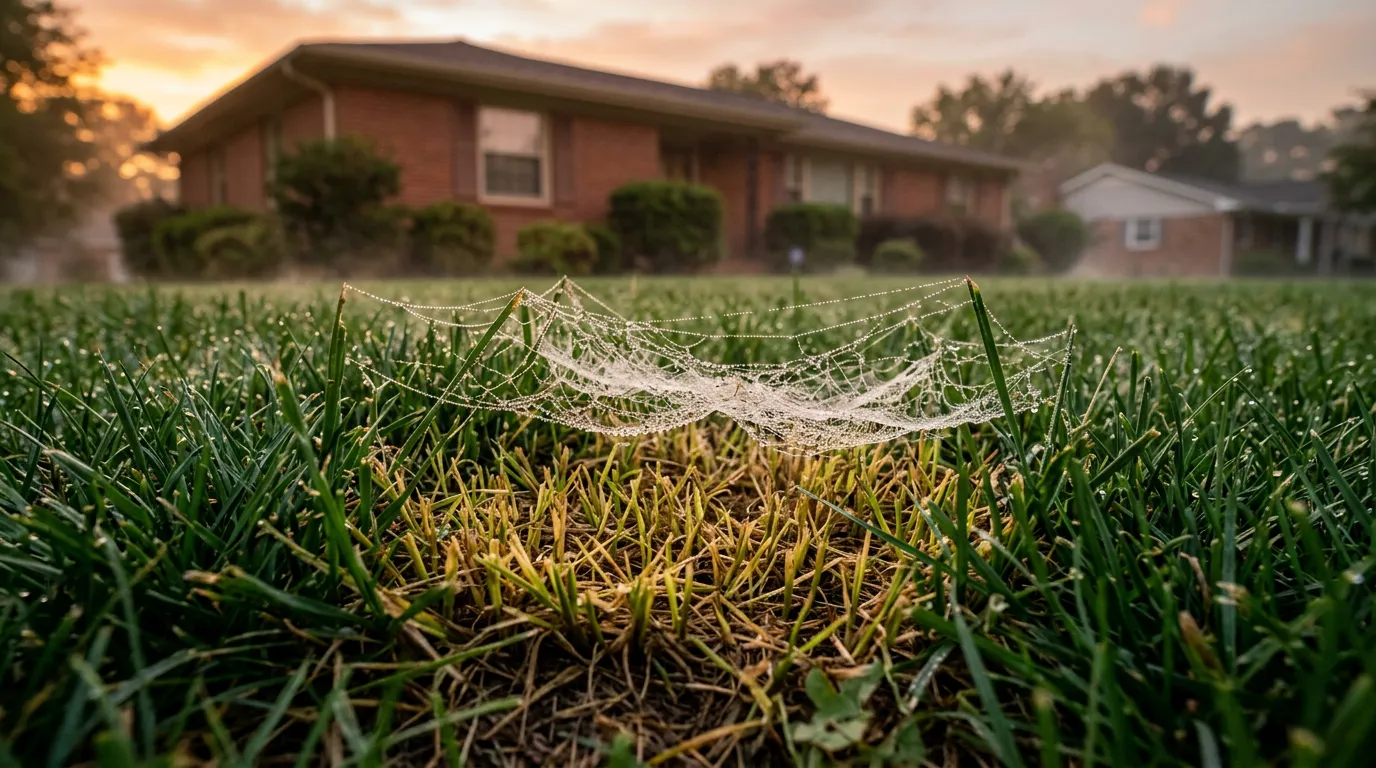
Sod webworm silk webbing shimmering in dawn dew across a tall fescue lawn in central North Carolina during August peak damage window
Sod webworms are caterpillars of small light-brown moths (Crambus and Parapediasia species) that feed on tall fescue and warm-season turf at night from July through August across North Carolina, cutting grass blades at the thatch line and dragging them into silk-lined tunnels. The tells are dawn silk webbing shimmering in the dew, dusk zig-zag moth […]
August 12, 2026
14 minutes read
Read article →
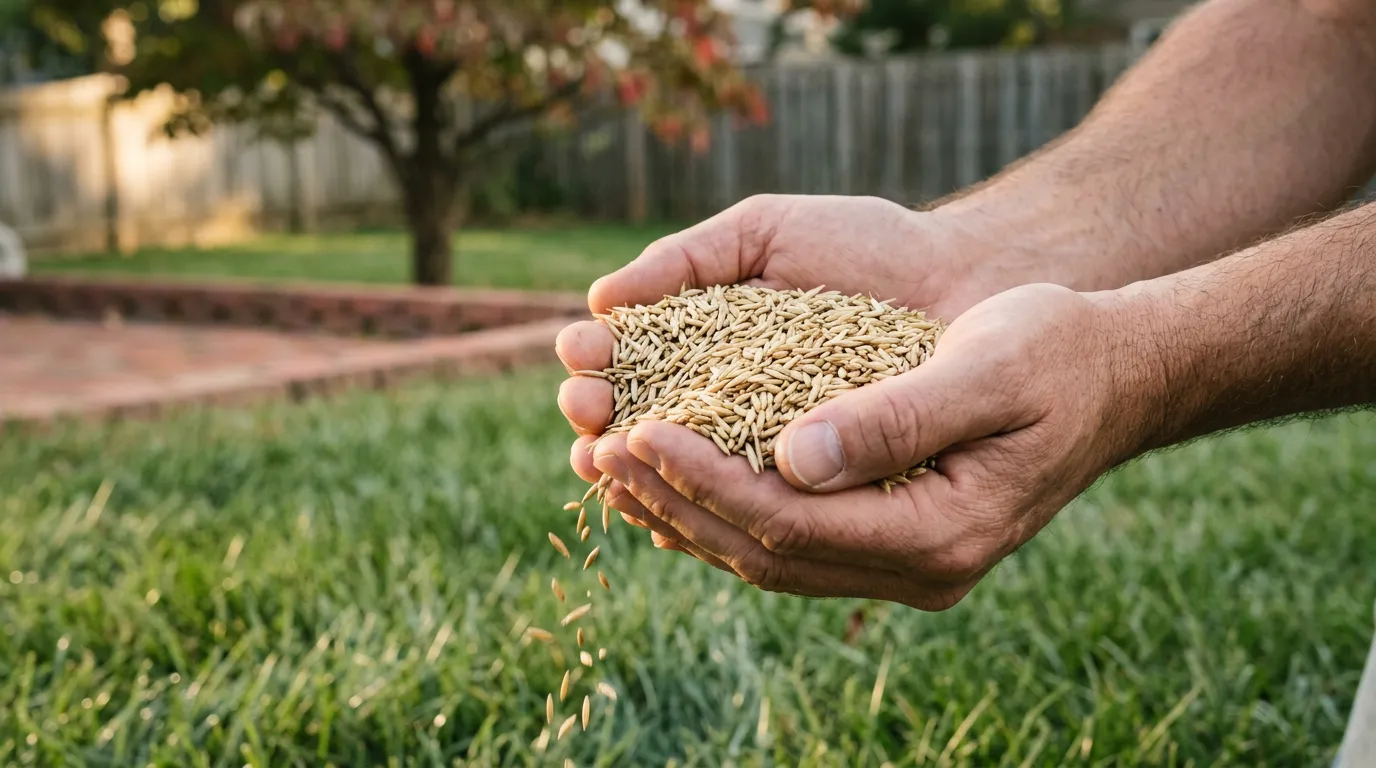
Homeowner's hands cupping turf-type tall fescue seed above green lawn showing overseeding rate for North Carolina fescue.
For most North Carolina tall fescue lawns, plan on 3 to 4 pounds of seed per 1,000 square feet for a routine fall overseed, 5 to 6 pounds for a moderately thin lawn, and 8 to 10 pounds when you are renovating bare or badly damaged turf. That range comes from NC State Extension research, […]
August 9, 2026
7 minutes read
Read article →
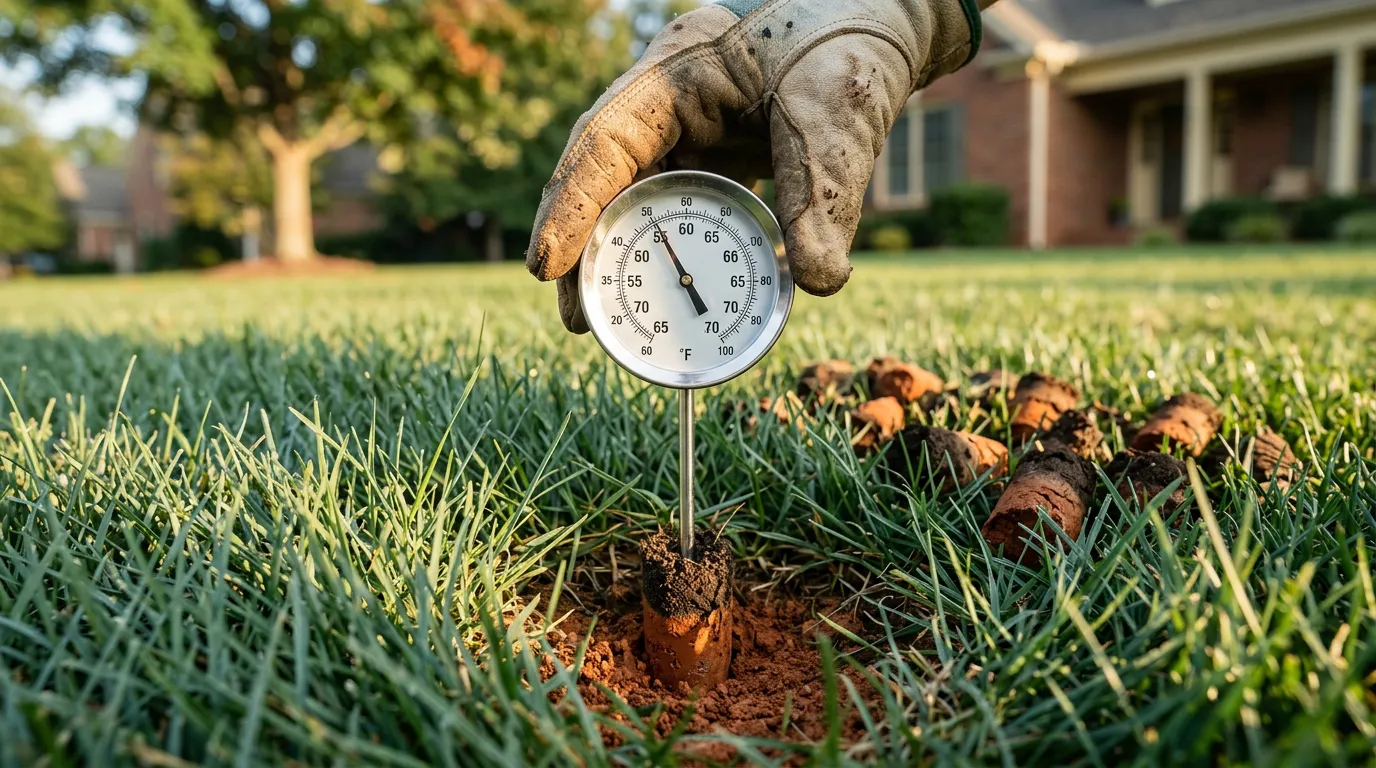
Soil thermometer reading four-inch depth in a tall fescue lawn in central North Carolina during the fall aeration window with early-morning autumn light.
The best time to aerate a lawn in North Carolina is when soil temperature at four inches sits between 65 and 75 degrees Fahrenheit. For tall fescue in the Triad and Triangle, the ideal time to aerate and overseed falls between mid-September and early October and lasts roughly three weeks. For bermuda and zoysia in […]
August 6, 2026
14 minutes read
Read article →

Ready for a Free On-Property Assessment?

Same-day estimate. 30+ years of biological methodology. Nature's Select® Guarantee. Local franchises, one team.
homeuserphone-handsetcalendar-fullcrossmenulist Skip to content