Spring Lawn Care Checklist for North Carolina Lawns
A spring lawn care checklist for North Carolina covers five jobs: clean up the yard, put down weed prevention and feed on your grass's schedule, sharpen the mower before the first cut, patch bare spots at the right time, and water only when the lawn needs it. Weed prevention comes first, in late February or early March. Feeding and mowing wait until your grass is actually growing.
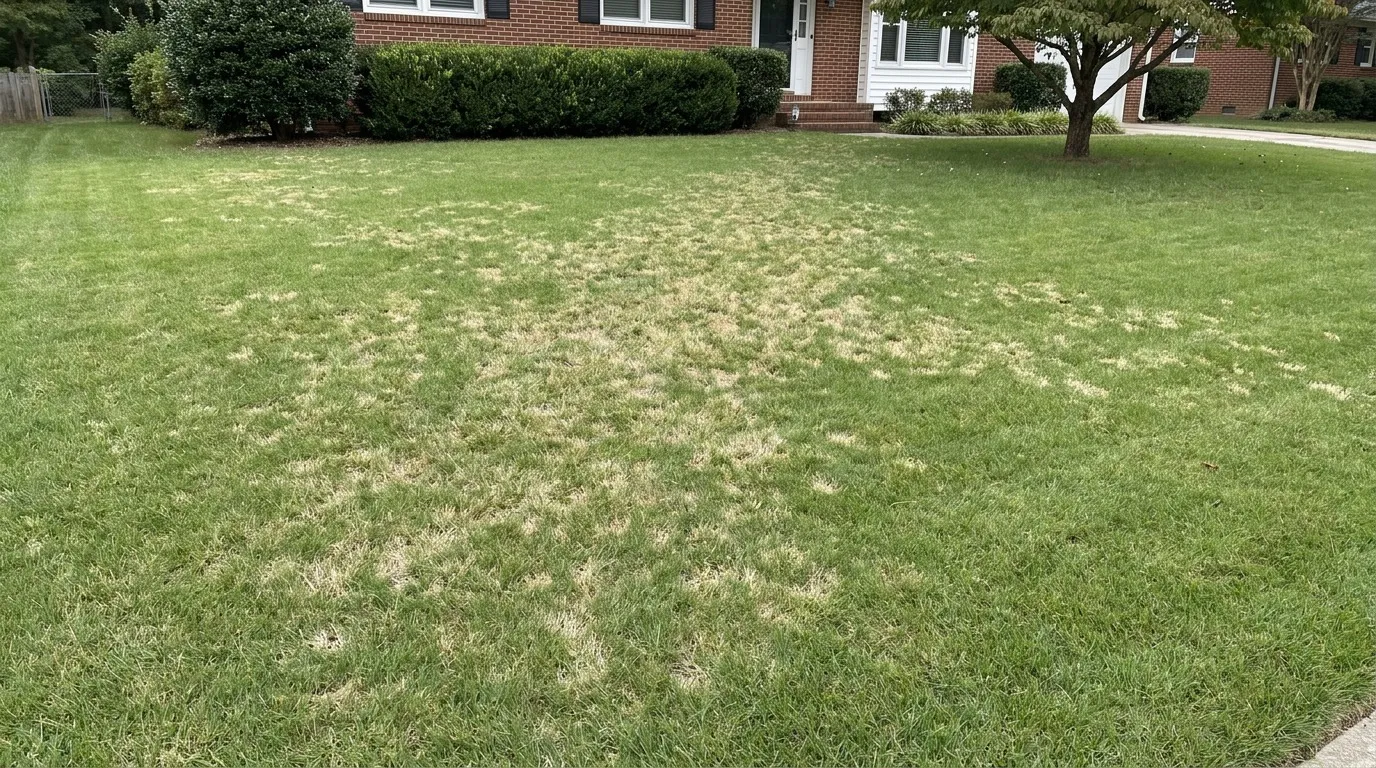
Are you ready for spring? We sure are. As your lawn wakes up from winter, a little work now sets it up for a green spring and summer. It's tempting to start everything on the first warm weekend, but most jobs work best once the lawn has mostly greened up. Weed prevention is the exception, and it has to go down before then.
Want to know why each step matters? Read the benefits of spring lawn care. This page is the to-do list.
Your Spring Timing at a Glance
| Checklist item | Tall fescue | Bermuda and zoysia | Centipede |
|---|---|---|---|
| Pre-emergent weed control | Early March, sooner in the Piedmont | Mid-February to early March | By March 1 |
| First spring feeding | Light rates only, if needed for color or recovery | Bermuda: several weeks after full green-up. Zoysia: about 3 weeks after green-up | Not before mid-May |
| Mowing height | 2½ to 3½ inches | Bermuda 1 to 2 inches, zoysia ¾ to 2 inches | 1 to 2 inches |
| Patching bare spots | Wait for fall if you can | April to July | Once days stay above 60°F |
1. Rake and Clean Up the Yard
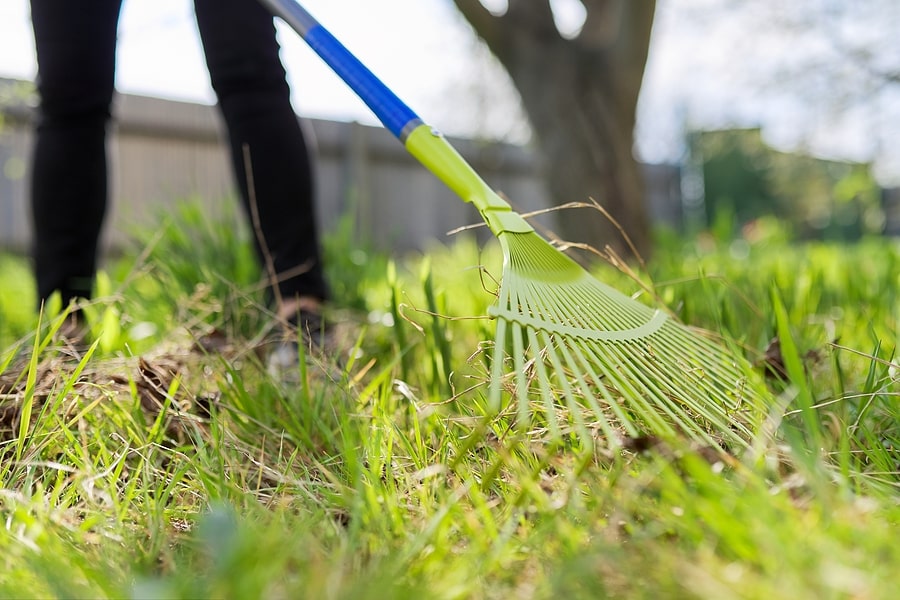
After months of winter weather, most yards need cleanup before any other lawn care. Rake up leftover leaves and pick up fallen twigs, branches and any trash that collected over the winter. That lets sunlight reach the grass so it can start growing again.
Use a leaf rake, not a hard garden rake, so you don't tear up the turf. As you go, look for hard, compacted areas and spongy spots with thick thatch. Make a note of them. Whether they're a spring or fall job depends on your grass, and our spring lawn care guide covers that timing.
2. Fertilization and Weed Control
For tall fescue lawns, much of the hard work happened over fall and winter: NC State's calendar puts the main feedings in September, November and February. Warm-season lawns are fed once they're growing, not in winter.
Spring weed prevention is all about timing. NC State TurfFiles notes that crabgrass sprouts from March through early May, once the soil 4 inches down reaches 53 to 58°F. A pre-emergent treatment has to be in place before that, which usually means late February to early March. A thick lawn is the other half of weed control, because crabgrass moves into thin, open turf first. For more ideas, see our 4 spring projects for a healthy lawn.
Picking a fertilizer:
- Know your grass type. Fescue and the warm-season grasses need feeding at different times, and centipede needs less nitrogen than any other common lawn grass.
- Test the soil. A soil test from the NC Department of Agriculture and Consumer Services tells you which nutrients and how much lime your lawn needs, so you're not guessing.
- Go easy on fescue in spring. NC State suggests feeding fescue in spring only as needed for color or recovery, at light rates, with lower amounts after March 15.
If you'd rather not sort through fertilizer bags, our weed control and fertilization program handles both.
3. Sharpen the Mower Blades Before the First Cut
Sharpen the blades before you mow for the first time this spring. According to NC State Extension, dull blades tear the grass instead of cutting it cleanly. The ragged tips wither and bleach and give disease an easy way in. A sharp, balanced blade also reduces mower vibration and can cut fuel use by as much as 22 percent. Read more on why sharp mower blades matter.
When you mow, remove less than one-third of the grass height at a time. For bermuda and zoysia, mow once the lawn turns green, as low as you can without scalping. That first cut clears out the dead winter growth.
4. Patch Bare Spots at the Right Time
Seeding is where spring advice goes wrong most often, so check your grass first.
- Tall fescue: fall is the best time, September 1 to October 1 in the Piedmont and coastal plain. NC State notes that spring-seeded fescue is more likely to suffer from drought, heat, disease and weeds. If a spot can't wait, seed it in early spring, roughly mid-February to late March in the Piedmont.
- Bermuda and zoysia: plant from April through July, once the soil has warmed.
- Centipede: N.C. Cooperative Extension says to plant in May, or once daytime temperatures stay above 60°F.
Seed and pre-emergent don't mix: seeds and seedlings can be damaged by some weed control products. Decide for each patch whether it gets seed or weed prevention. Our post on grass seed or weed control in spring walks through that choice. New seed needs the top 1½ inches of soil kept moist, which can mean light watering two or three times a day for one to three weeks. Centipede seed takes about 28 days to come up.
5. Water Only When the Lawn Asks for It
Check the rain gauge before you turn on the sprinkler. Established lawns need about 1 inch of water a week while growing (zoysia ½ to 1 inch). Signs it's time to water: a bluish-gray tint, footprints that stay in the grass, or folded and curled leaves. When you do water, water deeply, and early in the morning.
Frequently Asked Questions
When should I start spring lawn care in North Carolina?
Start with cleanup and pre-emergent weed control in late February or early March. Wait to feed and mow until your grass is growing.
Should I fertilize my lawn in early spring?
For tall fescue, only lightly. For bermuda and zoysia, wait until after green-up. For centipede, wait until mid-May.
Can I put down grass seed and pre-emergent at the same time?
Generally no. Some weed control products can damage grass seed and seedlings, so choose one or the other for each area.
Why should I sharpen my mower blades in spring?
Dull blades tear grass, leaving ragged tips that brown and let disease in. Sharp blades cut cleanly and save fuel.
Hand Off Your Spring Checklist
Would you rather skip a few items on this list? Nature's Select® Lawn Care takes a biological approach that feeds the soil, not just the grass, for a lawn that stays thick and healthy all season. Our lawn care team handles spring weed prevention and feeding on your grass's schedule, along with aeration and overseeding, lawn insect control and lawn disease control.
We serve homeowners in and around Winston-Salem, Greensboro, Chapel Hill and Pinehurst. Request your free estimate today.