Why You Still Need to Look for Lawn Pests in the Winter
Think lawn pests take a vacation during the winter months? Think again. While it may seem like the colder weather puts a pause on pesky insects and lawn diseases, some continue to cause damage. The winter season in North Carolina creates the perfect conditions for certain pests and fungi to lurk and wait until warmer weather returns. By staying proactive during winter, you can prevent potential issues from snowballing into major headaches when spring arrives. Today, Nature's Select® explains why you still need to look for lawn pests in the winter.
Not All Winter Lawn Pests Hibernate
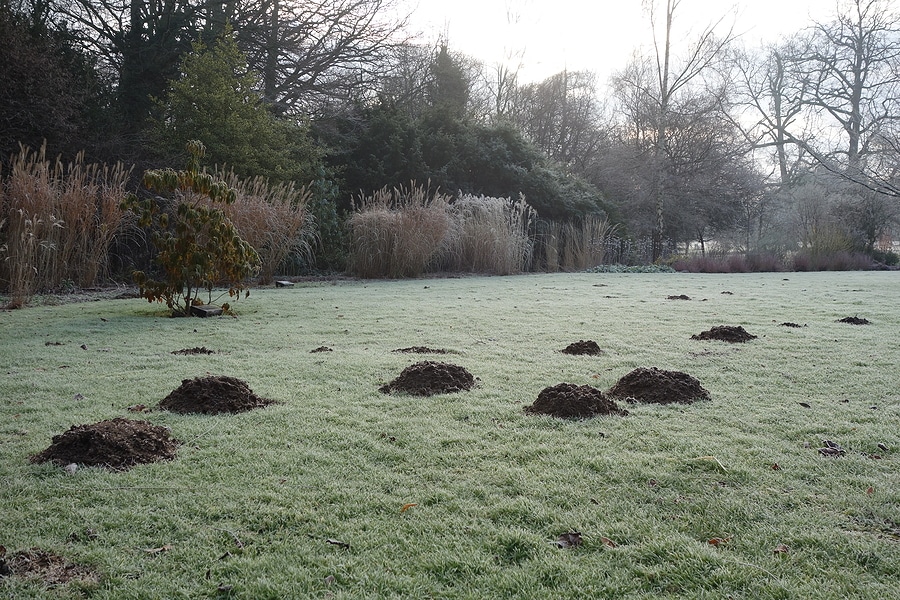
Despite what many homeowners believe, some lawn pests thrive underground or in protected habitats during winter. Grubs, for instance, burrow themselves deep into soil layers, wreaking havoc on your lawn's root system even in the cold. If left unchecked, these pests can cause irreparable damage, leading to costly repairs once the growing season begins. By maintaining vigilance and conducting periodic inspections during winter, you can address these concerns before they escalate.
Dormant Diseases Can Strike Early
Winter might feel like a dormant period, but certain lawn diseases, such as Pythium blight, continue to linger. These opportunistic fungi take advantage of moisture-rich environments, such as excess snowmelt or poorly draining areas. If ignored, they can spread rapidly, infecting your grass and leaving unsightly patches come springtime. Proactive treatments and preventive care during winter can provide a strong defense against these sneaky hazards.
Snow Cover Hides Lawn Damage
While a blanket of snow can transform your lawn into a picturesque winter wonderland, it can also act as a disguise for underlying lawn damage. Snow not only conceals dead or dying grass but also obscures potential issues like fungal growth, pest infestations, or compacted soil. By the time the snow melts, the damage may already be extensive, leaving you with a bigger problem to address. Regular inspections of your yard, even during snowy months, and clearing excess snow in problem-prone areas can help uncover and address issues early. Staying vigilant during winter ensures your lawn remains healthy and resilient when spring arrives.
Give Your Lawn a Winter Advantage
Your lawn deserves attention even in the cooler months, and we're here to help. From tackling Pythium blight and spring dead spot to mitigating pests and addressing slime mold issues, our team offers customized care so your lawn thrives year-round. Don’t wait until it’s too late—protect your lawn today. Request an estimate by calling Nature’s Select® in Winston-Salem, NC, at (888) 786-9735. Together, let's make sure your lawn is ready for a flourishing spring season!