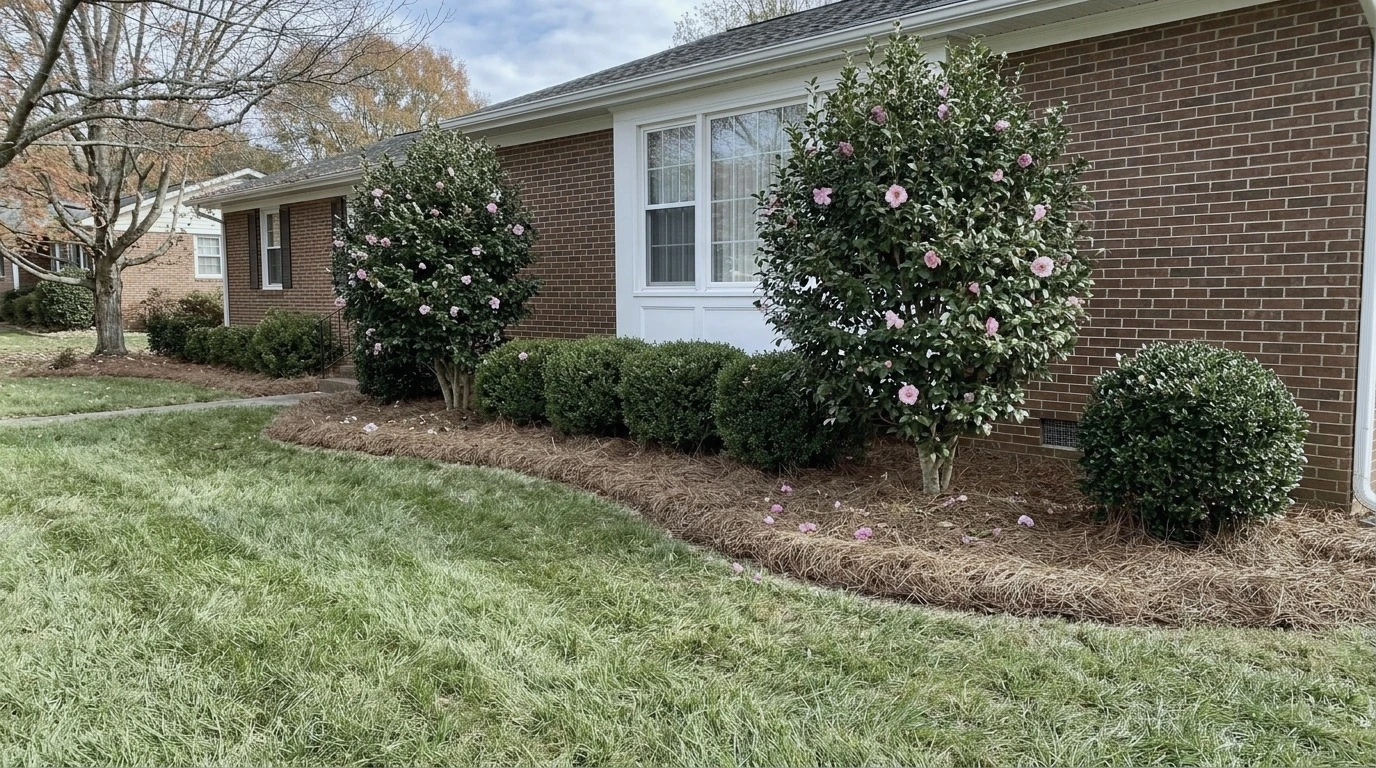
5 NC Shrubs That Always Get Blamed for Being Dead (When They're Actually Fine)
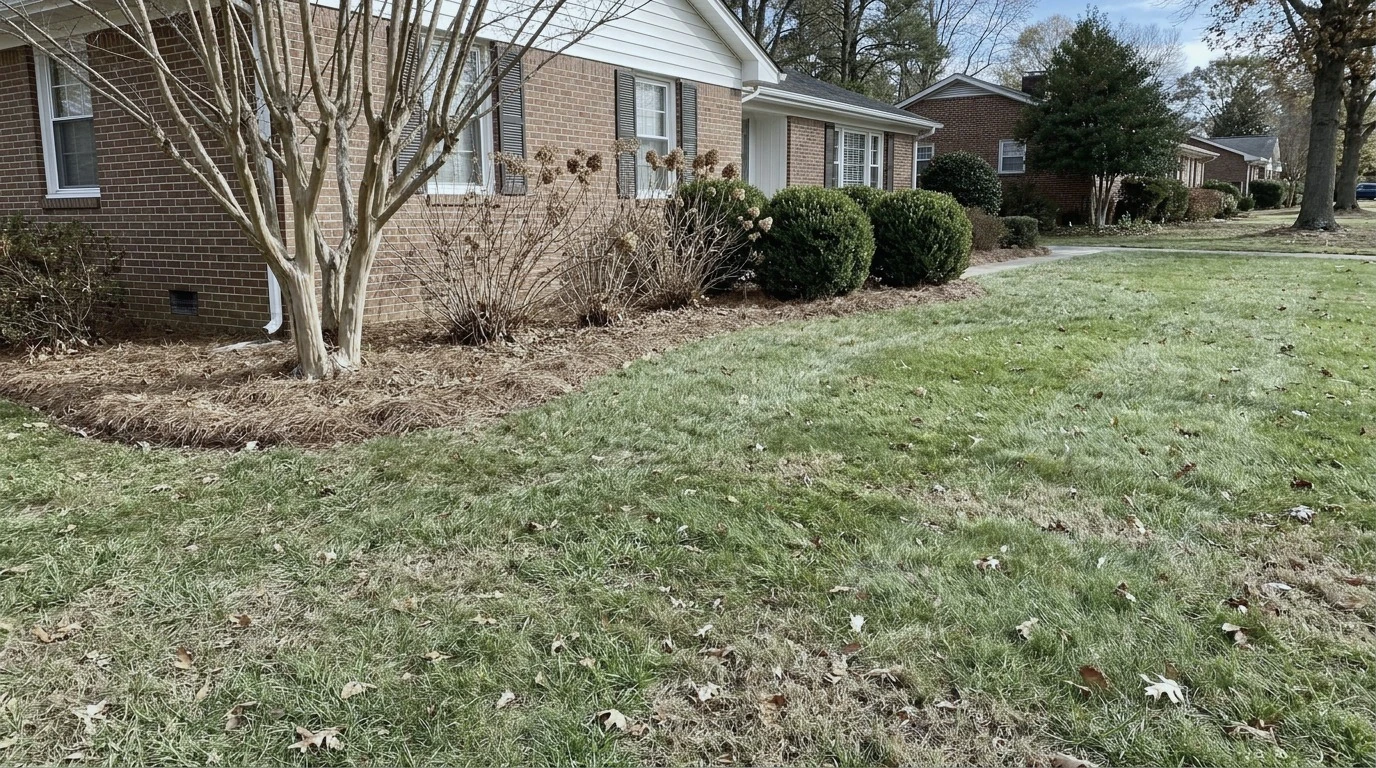
To tell if your shrub is dead or dormant, scratch a small spot of bark on a twig. Green, moist tissue underneath means it is alive. In North Carolina, crape myrtles, bigleaf hydrangeas, evergreen azaleas, hollies and boxwoods are the shrubs most often written off too early, because their normal seasonal changes look like dying. Check the stems before you dig anything out.
Every fall and winter, perfectly healthy shrubs get pulled out of North Carolina yards because they looked dead. Bare sticks, yellow leaves, bronze foliage and peeling bark all send homeowners to the shovel, when most of those plants would have leafed out again in spring.
This guide covers the five shrubs that get blamed most often, what is normal for each one, and the simple tests that tell a dormant plant from a dead one. By the end, you will know when to wait, when to prune and when to call for help.
Why Healthy Shrubs Look Dead in North Carolina
Dormancy is a normal winter rest, not a sign of trouble. NC State Extension explains that dormancy occurs during a period of low temperature, and that as temperatures warm, the plant breaks dormancy and resumes active growth.
During that rest, deciduous shrubs drop every leaf and stand bare. Evergreens keep their leaves but often shed the oldest ones or change color. Neither means the plant has died.
Dormant is not the same as dead
A dormant shrub is alive below the bark. Its buds are sealed for winter, and in temperate trees and shrubs those buds are protected by small, leathery bud scales. A dead shrub has nothing living under the bark, and its buds will never open.
Why so many shrubs get pulled too early
North Carolina winters swing between mild spells and hard freezes. A warm week in late winter can make homeowners expect green growth, so a shrub that is simply on its own schedule looks like it gave up. Patience and one quick test would save most of them.
The five shrubs at a glance
These five plants fill foundation beds and borders across the Triad, the Triangle and the Sandhills. Each has a normal habit that looks alarming if you do not know to expect it.
| Shrub | What looks wrong | When you see it | What is normal | Real warning sign |
|---|---|---|---|---|
| Crape myrtle | Bare gray stems, peeling bark | Late fall through spring | Deciduous, sheds bark, flowers on new growth | Bare wood under peeling bark, brittle stems |
| Bigleaf hydrangea | Brown, leafless canes | Late fall through early spring | Deciduous, sets flower buds on old wood | No green in any cane down to the base |
| Evergreen azalea | Yellow leaves dropping | Fall | Oldest leaves shed, tips stay green | Yellowing that starts on new tips |
| Holly | Yellow leaves falling | Spring | Oldest leaves shed as new growth starts | New growth also yellow or wilting |
| Boxwood | Yellow, orange or bronze foliage | Winter | Mild winter discoloration | Brittle, dry branches that snap |
1. Crape Myrtle: Bare and Peeling All Winter
Crape myrtle is one of the shrubs most often blamed for being dead in North Carolina. It drops every leaf in fall, stands bare all winter and is often one of the later plants in the yard to leaf out in spring.
The peeling bark is normal
Crape myrtles shed bark in thin patches, which can look like the plant is falling apart. The NC State Extension Gardener Handbook lists crape myrtle among trees whose bark shedding tends to be noticeable. If the bark peels away and exposes more bark, there is no need to be concerned.
The warning sign is different. If bare wood is exposed rather than fresh bark, the handbook notes that sunscald, lightning or winter damage could be the cause.
Late leaf-out is not a death sentence
Crape myrtle flowers on new growth produced in the current season. That is why pruning belongs in late winter to early spring, before new growth begins. Waiting for that growth is part of owning one. Scratch a twig before deciding anything.
2. Bigleaf Hydrangea: Brown Sticks Until Spring
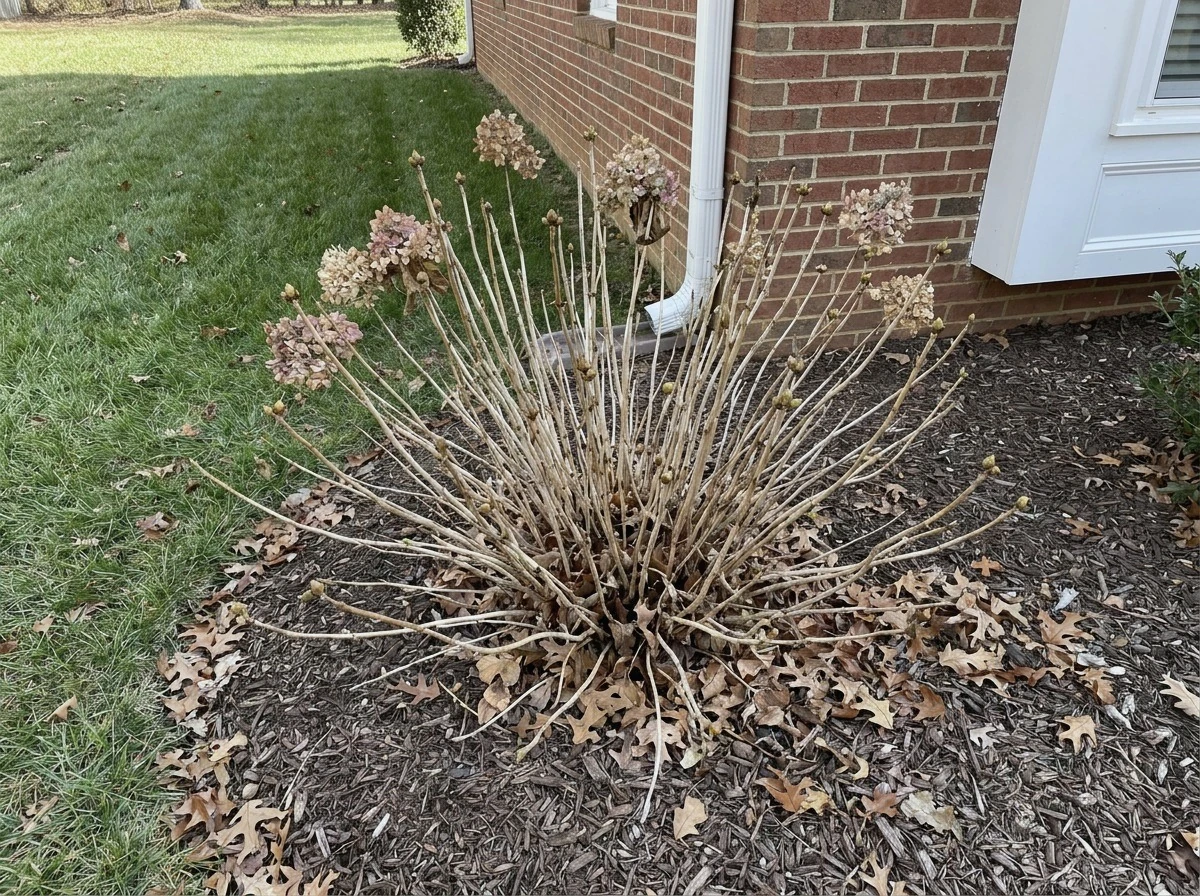
Bigleaf hydrangeas are deciduous. Once the leaves fall, what remains is a cluster of brown, hollow-looking canes that many homeowners assume froze to death.
Old wood holds next year's flowers
Those canes matter. According to the N.C. Cooperative Extension gardener handbook, bigleaf hydrangeas bloom on old wood, so pruning in the fall or spring could remove all the flower buds and prevent blooming. Cutting a dormant hydrangea to the ground to tidy it up is a common reason it fails to flower.
A missed bloom does not mean a dead plant
The same handbook notes that bigleaf hydrangea flower buds are notorious for not forming in weather that is too cold, and for dying off after a sudden cold snap. A hydrangea that leafs out but skips a year of flowers is alive. It lost its buds, not its life.
3. Evergreen Azaleas: Yellow Leaves in the Fall
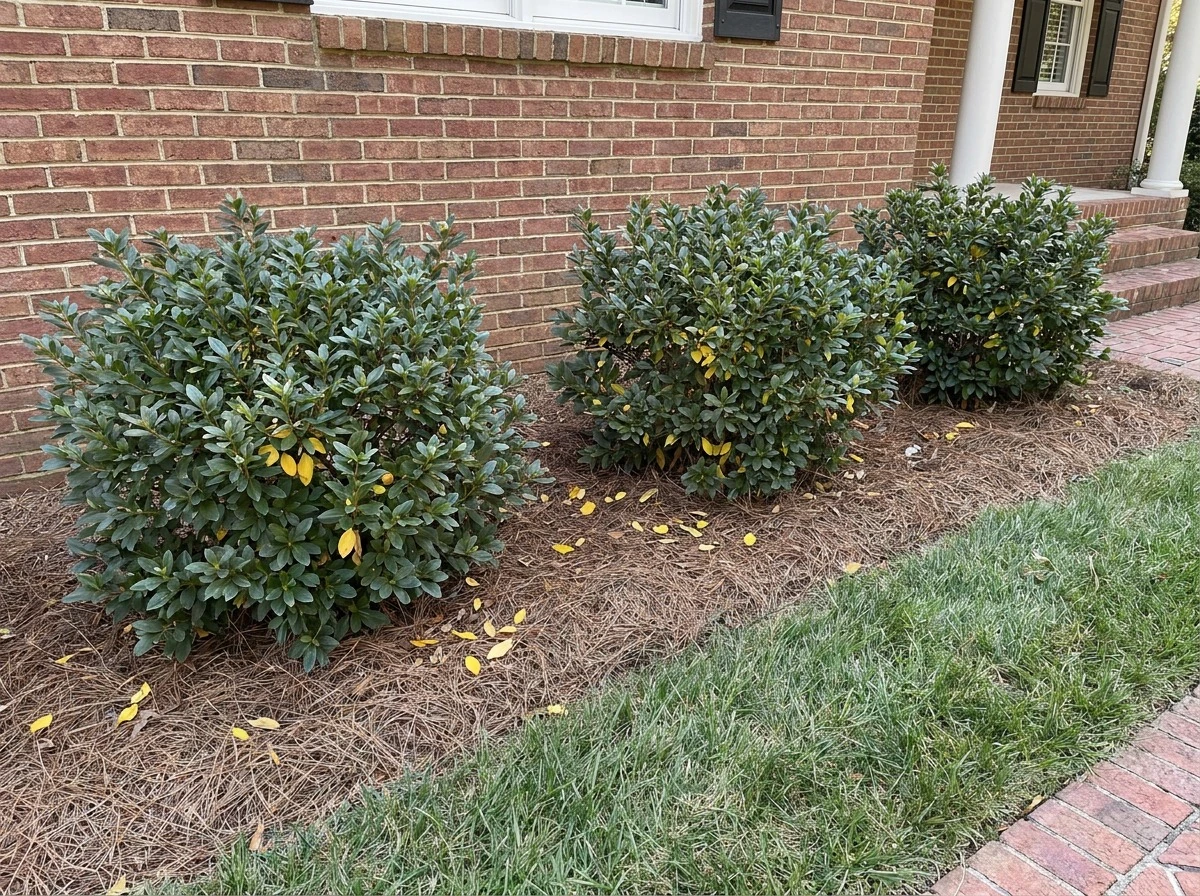
Evergreen azaleas are supposed to stay green, so a scatter of yellow leaves in autumn alarms many owners. In most cases it is routine housekeeping.
The oldest leaves drop, the tips stay green
The NC State handbook lists azaleas among broadleaf evergreens that develop yellow leaves in the fall as a normal shedding of the oldest leaves. The yellowing is uniform from the top to the bottom of the plant, and the newest leaves on the tips of branches remain green.
When yellow means something else
Yellowing that starts on new growth, shows up in blotches or only on one side, or comes with stippled, bleached leaves points to another cause. North Carolina State University calls the azalea lace bug the most frequently reported insect pest in the landscape, and its feeding leaves pale, stippled leaves that turn bleached and bronzed. Poor drainage and root stress also deserve a closer look. A plant that keeps green tips through winter is not dying.
4. Hollies: Spring Leaf Drop
Hollies surprise people at the opposite end of the year. Just as everything else greens up, a holly can drop a carpet of yellow leaves onto the mulch.
Out with the old, in with the new
NC State Extension explains that some broadleaf evergreens, including holly, camellia and magnolia, shed their oldest leaves in the spring as new growth begins. The yellowing is uniform from top to bottom, and new growth is not affected.
What to watch instead
Look at the new shoots. If they are healthy and expanding, the falling leaves are simply being replaced. If the new growth is also yellow, small or wilting, the cause is something else, and the plant needs a closer check of its roots and soil.
5. Boxwood: Bronze and Orange After Winter
Boxwoods can turn yellow, orange or bronze over winter, especially on the side facing the sun or wind. From the street, the hedge looks scorched.
Winter desiccation explained
Evergreens keep losing water through their leaves in winter, while cold or frozen soil limits what the roots can take up. The NC State handbook notes that camellia and boxwood foliage may turn yellow or orange from mild desiccation or excessive sunlight. Damage is usually worse on the side facing the wind or sun, or near a reflective surface such as a white house or concrete paving.
When boxwood damage is real
Mild discoloration usually grows out as new spring leaves appear. In severe cases, the handbook warns, branches also become dehydrated and die. Bend a few twigs on the worst side: flexible stems with green under the bark will recover, while brittle, dry twigs should be pruned out in spring.
How to Tell If Your Shrub Is Dead or Dormant
Three quick checks will answer the question for almost any woody shrub. None of them needs special tools, and each takes less than a minute.
The scratch test
Use a fingernail or a small pocketknife to scrape a tiny patch of outer bark on a young twig. Just under the bark sits the vascular cambium, which NC State describes as a single layer of cells between the bark and the wood. Green, moist tissue there means the stem is alive. Brown, dry tissue means that stem is dead.
Start near the tips and work down toward the base. A shrub can have dead tips and a living lower half, which is often the case after a hard freeze.
The bend test
Gently bend a pencil-thin twig. A living twig flexes and springs back. A dead one is dry and snaps cleanly. Test several branches on different sides of the shrub, because damage is often worse on one side.
Check the buds
Look closely at the buds along the stems. Living buds are firm and plump under their scales. Dead buds are shriveled, hollow or crumble when pressed. The NC State handbook notes that when leaf buds are killed by a late freeze, the plant is often delayed in resuming spring growth but eventually puts out new growth from dormant buds.
When a shrub is in real trouble
Some shrubs do die, and the sooner you spot a real problem, the better your options. The NC State Extension Gardener Handbook lists signs that woody ornamentals are under duress.
- Leaves changing from green to yellow, orange or brown in blotches or along the margins, outside the normal seasonal patterns above.
- Leaf drop concentrated on the lower branches.
- New leaves that are smaller than normal, or branch and twig dieback.
- A sharp drop in yearly growth after years of steady growth.
If you see these signs in the growing season, or if every scratch test down to the base comes up brown, the shrub needs attention. Our earlier post on signs of shrub winter damage covers broken branches, split bark and root damage in more detail.
Prune out dead wood once you are sure which stems are dead, cutting back to living tissue. Water evergreens before high winds or a severe freeze, as NC State advises, since winter desiccation is a major cause of browning. Feeding matters too: our guide to fertilizing your shrubs explains how nutrition supports recovery.
Do not wait too long on a shrub that is clearly declining in summer. As we covered in why a sick shrub needs attention right away, problems that are caught early are far easier to correct.
How Nature's Select® Checks Shrubs Before Anything Gets Pulled
Nature's Select® has provided biological lawn and landscape care in North Carolina since 1994. When you are not sure whether a shrub is dormant, damaged or dead, a second opinion costs nothing.
Every visit starts with a free on-property assessment and a same-day written estimate, with no long-term contract. One technician is assigned to your property year-round, so the person who checks your crape myrtles in March is the one who saw them in November. Learn more about our biological tree and shrub care in North Carolina.
Key Takeaways
- Dormancy is a normal winter rest: a shrub that looks bare or discolored is often alive under the bark.
- Crape myrtles shed bark and leaf out late, and bigleaf hydrangeas stand as bare canes all winter.
- Evergreen azaleas drop their oldest leaves in fall and hollies do the same in spring, while new tips stay green.
- Boxwoods can turn yellow, orange or bronze from winter desiccation and usually grow out of it.
- Scratch, bend and check the buds on several stems before deciding a shrub is dead.
- Real trouble looks different: yellowing new growth, twig dieback and brittle stems with no green anywhere.
Frequently Asked Questions
How can I tell if my shrub is dead or dormant?
Scrape a small spot of bark on a young twig with a fingernail or pocketknife. Green, moist tissue underneath means the stem is alive and simply dormant. Brown, dry tissue means that stem is dead. Test several stems from the tips down toward the base, and on different sides of the plant, before you decide the whole shrub is gone.
Will my shrubs come back after a hard freeze?
Many will. A freeze can kill open flowers, leaf buds and branch tips while the rest of the plant survives. NC State Extension notes that when leaf buds are killed, the plant is often delayed in resuming spring growth but eventually puts out new growth from dormant buds. Scratch-test the lower stems and give the shrub time before removing it.
How long does it take for shrubs to come out of dormancy?
It depends on the species and the weather. Plants break dormancy as temperatures warm, so a cold spring delays everything. In North Carolina, crape myrtles and other late starters can stay bare well after neighboring shrubs have leafed out. If the stems pass the scratch test, keep waiting and avoid heavy pruning until growth begins.
Can a half dead shrub be saved?
Often, yes. If the scratch test finds living tissue in the lower stems, prune the dead branches back to green wood once new growth shows where the line is. Keep the plant watered during dry spells and check its soil and roots. A shrub that is dead on one side from wind or sun exposure usually regrows from the living side.
Why is my crape myrtle bark peeling?
Peeling bark is normal for crape myrtles. They shed thin patches of bark as they grow, and the NC State Extension Gardener Handbook notes there is no need to be concerned when the peeling bark exposes more bark underneath. If bare wood is exposed instead, sunscald, lightning or winter damage could be the cause, and the tree should be checked.
Why are my evergreen shrubs turning brown in winter?
Most often the cause is winter desiccation. Evergreens keep losing water through their leaves while cold soil limits what the roots can take up, so the foliage can yellow, bronze or brown. Damage is worse on the side facing wind or sun. Watering evergreens before high winds or a hard freeze helps, and mild discoloration usually grows out in spring.
What kills a shrub?
Shrubs most often die from root problems such as poor drainage, compacted soil or drought, from severe winter injury, or from pests and diseases that go untreated for several seasons. Mechanical damage to the thin living layer under the bark, from string trimmers or mowers, can also kill a plant. Watching for early warning signs gives you the best chance to step in.
Conclusion
Bare stems, yellow leaves and bronze foliage are not always bad news. Crape myrtles, bigleaf hydrangeas, evergreen azaleas, hollies and boxwoods all go through normal seasonal changes that look like dying, and most of them come back in spring.
Before you pull anything out, scratch a few twigs, bend a few stems and check the buds. If you would rather have a second set of eyes, Nature's Select® can take a look. Schedule a free assessment of your shrubs or call (888) 786-9735, and we will route you to the office covering your address.