5 Common Signs of Shrub Winter Damage
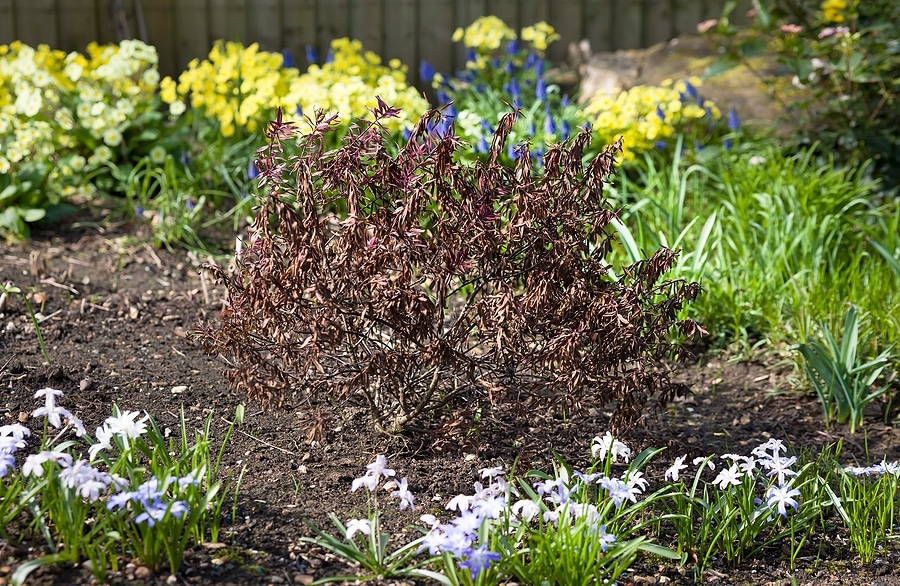
Winter can be a harsh and unforgiving season for shrubs. Therefore, it's essential to look out for signs of winter damage and to protect your shrubs to prevent further deterioration. Not sure what to look for? Nature's Select Sandhills put together these five common signs of shrub winter damage to be aware of.
1. Broken Branches
Winter weather can take a toll on shrubs; broken branches are common signs of winter damage. Snow and ice can weigh down branches, leading to cracks and breaks. Broken branches not only affect the aesthetics of your shrubs but also threaten their overall health. If left untreated, broken branches can become a breeding ground for insects and diseases, further damaging your plants.
2. Discolored Leaves
Shrub leaves that turn brown, yellow, or black may be signs of winter damage. This discoloration is a result of dehydration, also known as winter burn. Winter burn occurs when harsh winds and cold temperatures suck moisture out of the leaves, causing them to dry out and die. To prevent winter burn, provide your shrubs with adequate water during the fall months before the ground freezes.
3. Split Bark
Another troubling sign of winter damage is split bark. Extreme temperature changes in winter cause tree bark's rapid contraction and expansion. This can result in split branches, which can lead to the death of your shrubs. To prevent split bark, wrap your shrubs in burlap or plant them in sheltered areas.
4. Broken or Damaged Roots
Shrubs with broken or damaged roots are vulnerable to winter damage. Lack of moisture and nutrients makes it difficult for the shrub to recover quickly. One sign of root damage is the lifting of shrubs from the soil. Inspect the roots of your shrubs regularly to detect any signs of damage.
5. Winter-Produced Mounds of Soil
Voles, commonly known as meadow mice, are notorious for causing damage to shrubs during winter. They burrow under the snow and consume the protective bark of your shrub. This results in the formation of winter-produced mounds of soil around the base of your shrub. To protect your shrubs, use wire mesh wrapped around the trunk. This prevents the voles from reaching the bark.
Shrub Care is Year Round
Winters in Aberdeen, NC, can take a toll on your shrubs, but with the proper care, prevention, and treatment, you can protect your shrubs from winter damage. If you're not confident in your green thumb abilities, let the shrub and tree experts of Nature's Select Sandhills handle shrub care for you! We know how to deal with winter weather damage, pests, and diseases. Contact us today at (910) 757-0359.