5 Tips for Protecting Your Lawn from Drought in North Carolina
As temperatures soar and rainfall becomes scarce, North Carolina lawns face the challenge of enduring periods of drought. At Nature's Select®., we understand the importance of maintaining a healthy, vibrant lawn even during dry spells. Here are five expert tips to help you protect your lawn from drought and keep it looking its best.
1. Choose Drought-Resistant Grass Varieties
The first step in protecting your lawn from drought is selecting the right type of grass. Certain grass varieties are more drought-tolerant than others. For North Carolina, consider planting warm-season grasses like Bermuda, Zoysia, or Centipede grass. These grasses have deeper root systems and are better equipped to withstand prolonged dry periods.
2. Water Efficiently
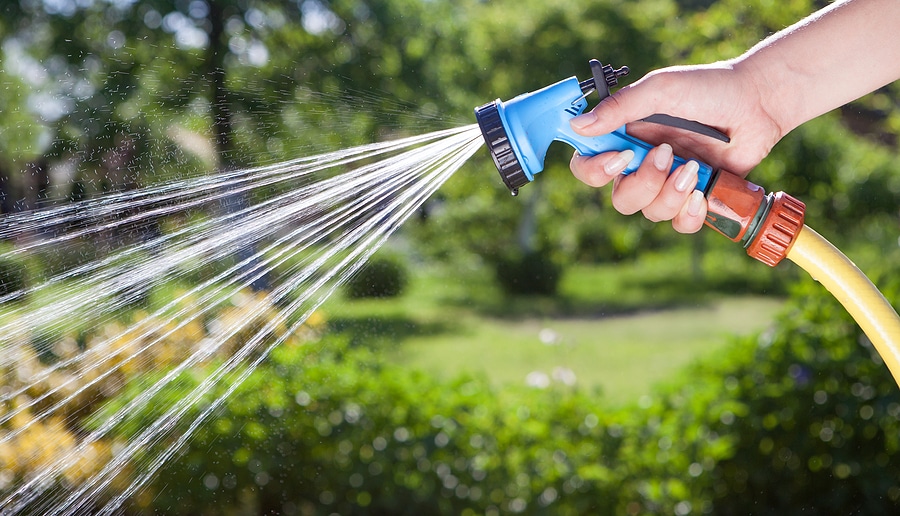
Proper watering is essential during drought conditions. To minimize evaporation and maximize moisture absorption, water your lawn early in the morning, ideally between 4 AM and 10 AM. It's best to water deeply and less frequently to promote deep root growth, aiming for about one inch of water per week, including rainfall. Using a rain gauge or placing empty cans around your yard can help you accurately measure the water your lawn receives.
3. Mow High and Less Frequently
Adjusting your mowing practices can significantly impact your lawn’s ability to survive a drought. Set your mower blade higher to leave grass blades longer, around 3-4 inches. Longer grass provides shade for the soil, reducing evaporation and keeping the roots cooler. Additionally, avoid mowing during the hottest part of the day and never cut more than one-third of the grass height at once to prevent stress on the grass.
4. Reduce Foot Traffic
Additionally, an easy way to protect your lawn during drought conditions is to try to minimize foot traffic. Walking on dry grass can cause additional stress and damage, making it more difficult for the grass to recover. Create designated pathways or encourage family and pets to use alternative areas until the lawn recovers.
5. Seek Professional Help
Finally, if you’re unsure about how to protect your lawn during a drought or need assistance, consider reaching out to a professional lawn care service like Nature's Select® Our team of experts can provide tailored solutions and maintenance plans to keep your lawn resilient and beautiful, even in challenging conditions.
Maintaining a healthy lawn during a drought in North Carolina requires proactive care and smart practices. You can keep your lawn thriving throughout the dry season by choosing drought-resistant grass, watering efficiently, and implementing other drought protection strategies. Trust Nature's Select® to help you achieve and maintain a beautiful lawn, no matter the weather. Contact us for more information.