Weed Profile: Annual Bluegrass (Poa Annua)
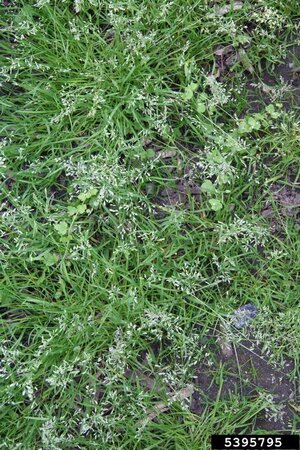
Annual Bluegrass seeds germinate in late summer or fall and grow throughout the winter months. In winter, you’ll notice it as green tufts in your regular turf. In spring it produces copious amounts of blue-gray seed heads that stand out in your lawn like a sore thumb. Annual bluegrass is capable of producing flowers even at low mowing heights.
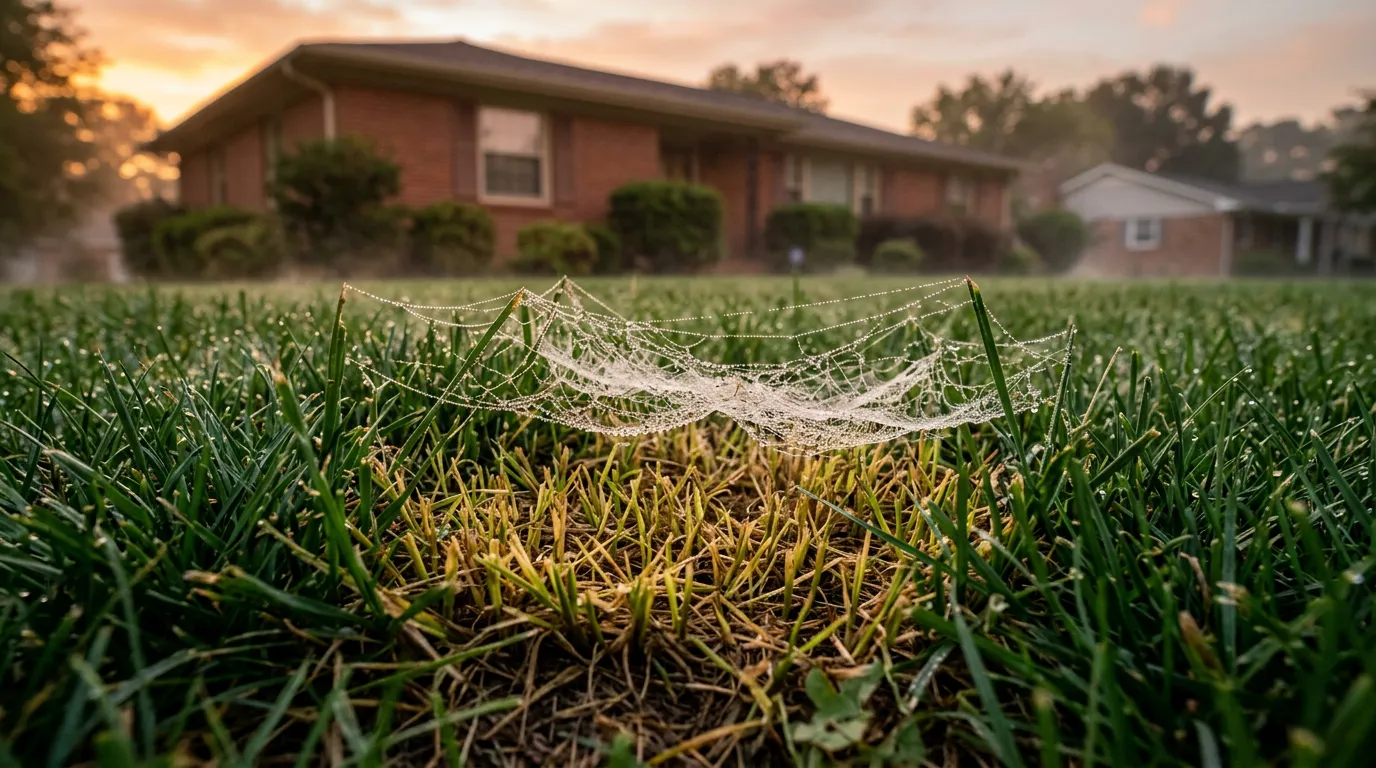
Due to its intolerance for hot temperatures and dry weather, it dies out in summer, leaving behind bare patches and seeds to continue the cycle the following season. Where turfgrass is stressed, annual bluegrass will outcompete if not controlled. It is particularly problematic in wet, shady areas as it is more shade-tolerant than most desirable turf grasses.
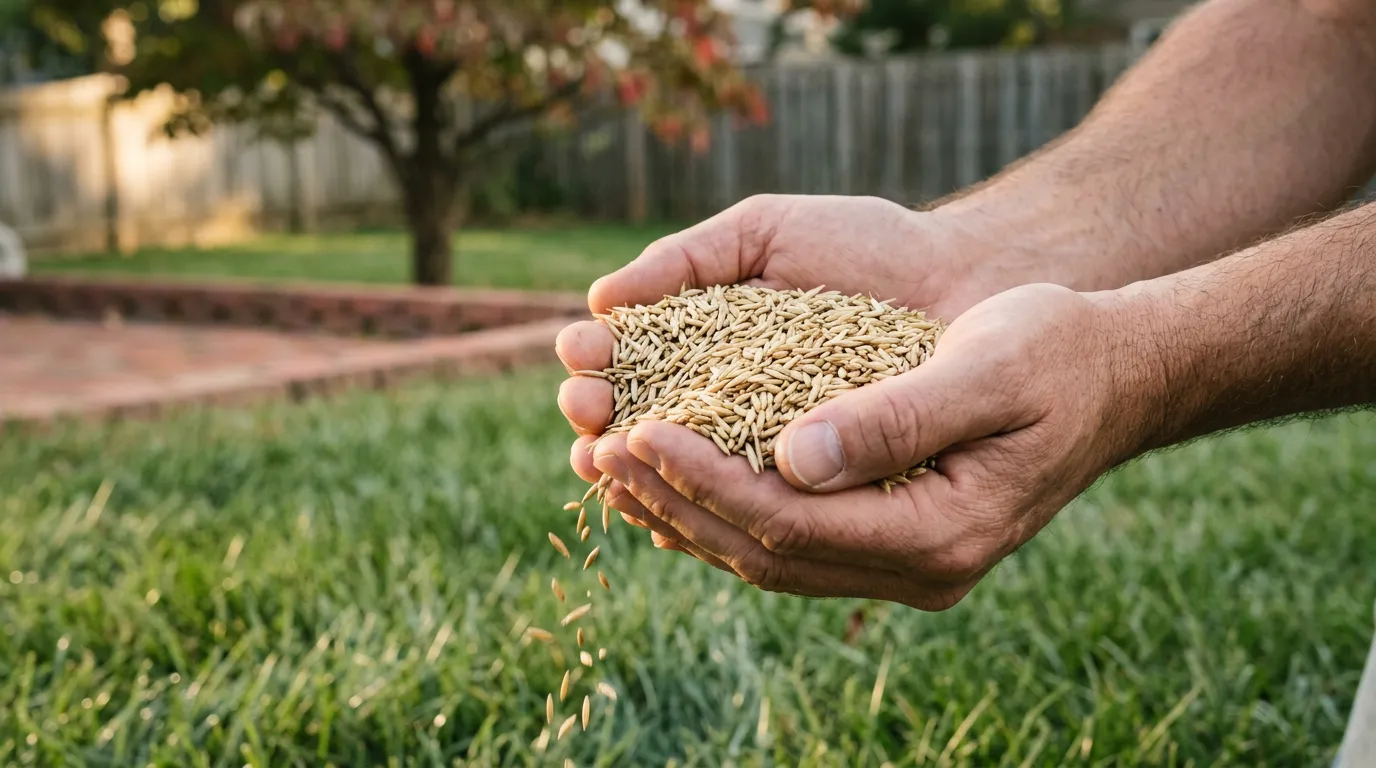
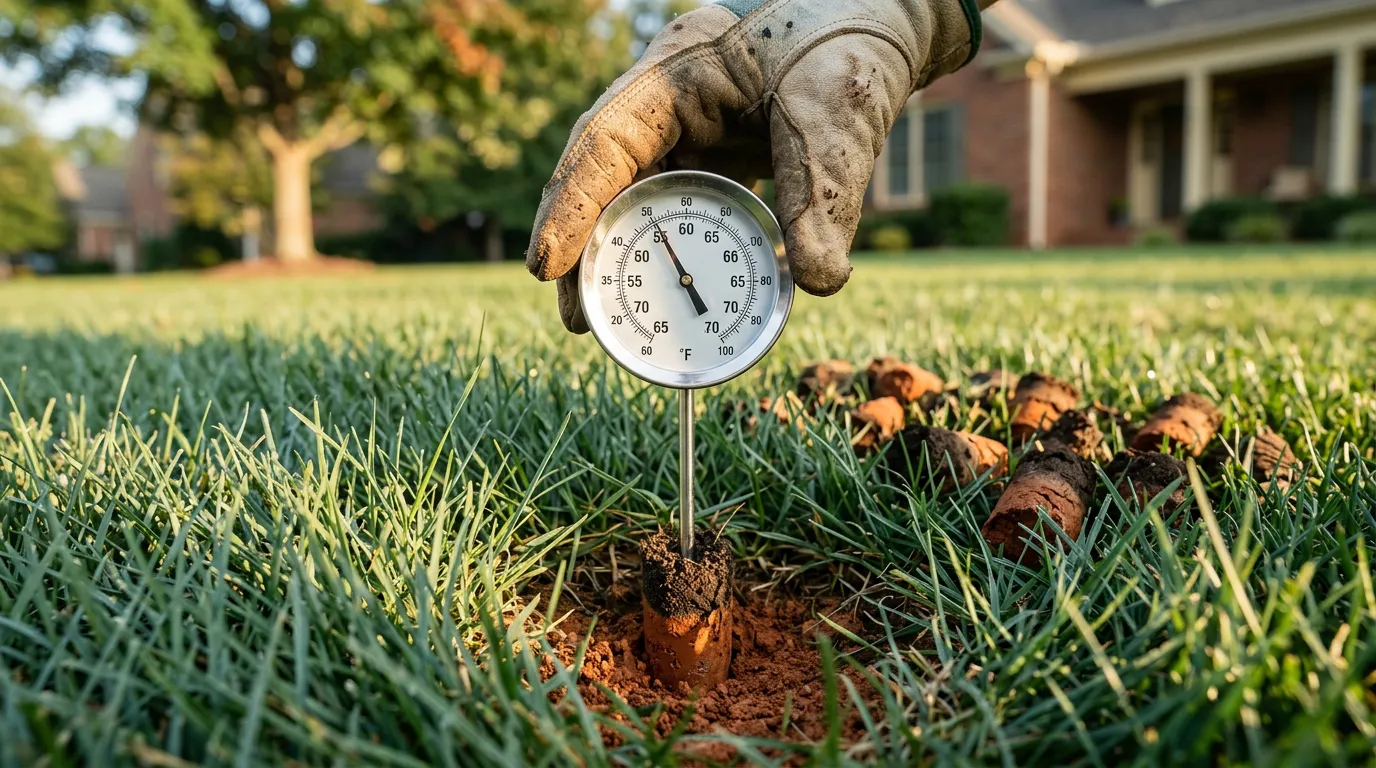
The most common control method is to use pre-emergent herbicides in late summer and fall to prevent the seeds from germinating. This needs to be done annually, as once a seed reservoir is present the seeds are viable for many years. One caveat is that you cannot use fall pre-emergents if you are planning on fall reseeding. Newly seeded grass must be mature enough to have been mowed twice before resuming application of pre-emergents.
Since annual bluegrass is similar to your desirable turf grass, it is difficult to control with most post-emergent herbicides without damaging your lawn, although there are some selective herbicides that target annual bluegrass only.
Some cultural controls make it more difficult for annual bluegrass to gain a foothold, and help strengthen and thicken your turf, preventing annual bluegrass the opportunity to dominate. These are:
- Reduce soil compaction with annual aeration.
- Do not overwater, particularly in shady areas.
- Irrigate deeply and infrequently. This develops deep root systems for turf grass, leaving the shallower-rooted annual bluegrass susceptible to drought.
- Avoid mowing too short so existing grass can shade soil, preventing seed germination.
- Mow frequently enough that no more than ⅓ of grass height is removed at a time to retain grass vigor.
- Fertilize with adequate, not excessive nitrogen.
Photo Credits:
- Header image, Poa annua By Rasbak (Own work) GFDL or CC-BY-SA-3.0 , via Wikimedia Commons
- Article image, Poa annua By Robert Vidéki, Doronicum Kft., Bugwood.org