The Pollinator-Safe Pest Guide for North Carolina Ornamentals
Pollinator-safe pest control on North Carolina ornamentals means treating only the pest you have confirmed, only when damage crosses a threshold you set, with the lowest-risk tool that works, and never while bees are foraging on open flowers. Contact oils and soaps aimed at young pests carry the least risk. Systemic products and broad sprays belong after bloom, on the affected plant only.
You want your azaleas, crape myrtles and camellias to look good, and you also want the bees, butterflies and beneficial insects that visit them to keep coming back. Those two goals can feel like they pull in opposite directions when a shrub starts to bleach, blacken or drip.
They do not have to. Most ornamental pest problems in North Carolina yards can be solved without putting pollinators at risk. By the end of this guide, you will know how to identify the common culprits, decide whether a treatment is worth it, pick the lowest-risk tool and time it around bloom.
What Pollinator-Safe Pest Control Actually Means
Pollinator-safe pest control is not a product. It is a way of deciding when and how to treat, so that the pest problem gets solved and the pollinators that visit your plants do not pay for it.
The insects you want to keep
Your landscape hosts far more helpful insects than harmful ones. Honey bees and native bees gather pollen and nectar from flowering shrubs and trees. Butterflies feed on the same flowers. Lady beetles, lacewings, hoverflies and tiny parasitic wasps hunt the aphids, scale and lace bugs that damage ornamentals.
NC State Extension puts it plainly in its gardener handbook: it is not possible, or even desirable, to rid gardens of all pests. Managing pest levels instead of wiping them out protects the health of people and animals and keeps beneficial organisms such as birds, bees, butterflies and predatory bugs in the yard.
Why "bee safe" on a bottle is not the whole answer
Any insecticide can harm a pollinator if it lands on an open flower while bees are working it. A product that breaks down fast can still kill the bee it hits. A gentle product used on the wrong plant at the wrong week can still knock out the beneficial insects that were keeping a pest in check.
That is why pollinator-safe pest control is about decisions more than labels: which plant, which pest, how much damage, which tool and which week. Get those five right and the product question becomes much smaller.
The Ornamentals Pollinators Visit Most in North Carolina
Pollinators follow bloom. Knowing when your own plants flower tells you when to keep sprayers away from them.
Spring bloomers
Dogwood, redbud, flowering cherry and azaleas carry the spring show in most North Carolina neighborhoods. Bees are active on these flowers from early spring, which is also when several shrub pests start their first generation of the year.
Summer bloomers
Crape myrtle, abelia, hydrangea and butterfly bush flower through the heat. Crape myrtles in particular stay in bloom for weeks, so a treatment window on these plants often has to wait until flowering is over or move to a tool that never touches the flowers.
Fall and winter bloomers
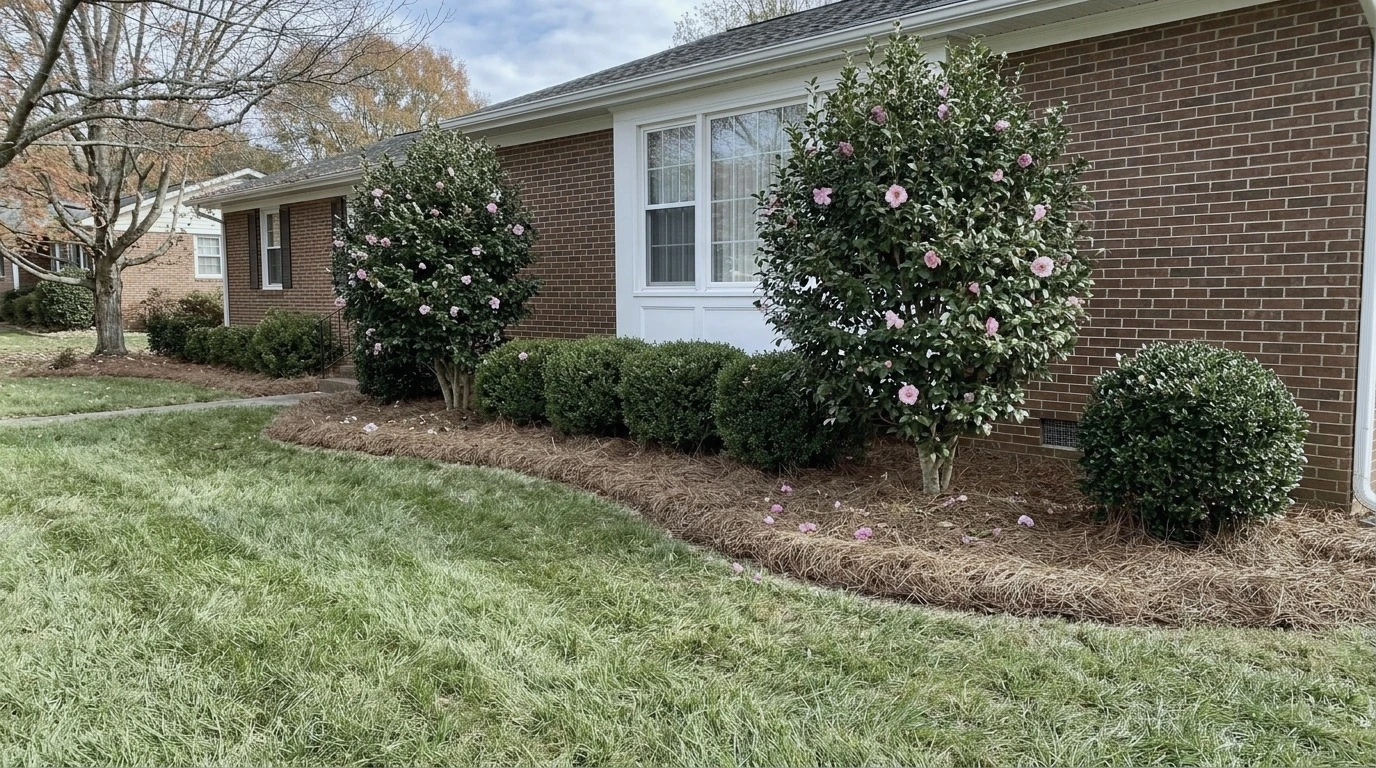
Sasanqua camellias open in fall, and many hollies carry flowers earlier in the year that bees visit heavily. Even in cooler months, a warm, sunny afternoon brings foragers out. Check for open flowers before any treatment, whatever the season.
Know the Pest Before You Treat
Most pollinator harm in home landscapes starts with a misdiagnosis. A shrub looks unhealthy, something gets sprayed, and the real cause was drought, root stress or a pest the product does not even control.
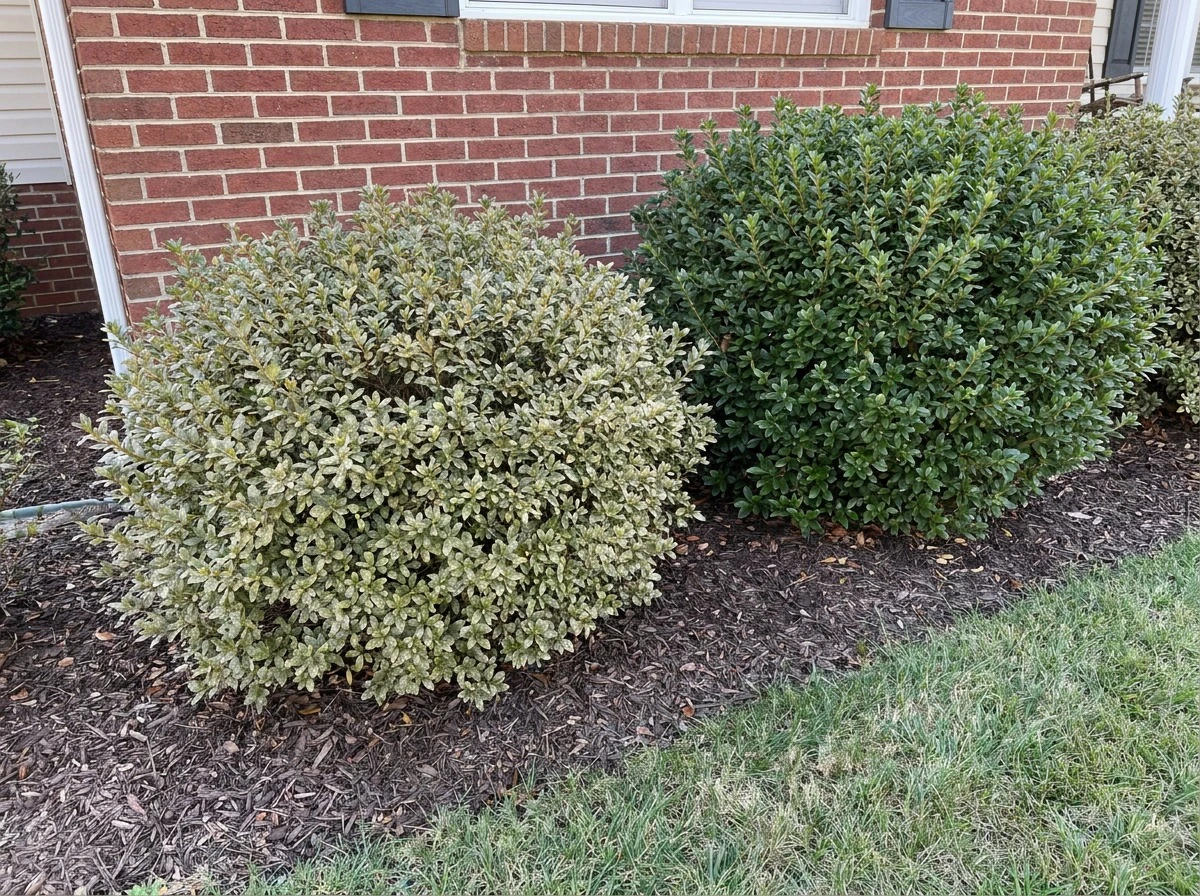
Azalea lace bug
According to N.C. Cooperative Extension, the azalea lace bug is the most frequently reported insect pest in the landscape. The adults are about 1/8 inch long and feed on the undersides of leaves, leaving pale stippling on the upper surface that turns bleached and bronzed.
The same factsheet notes at least two generations a year in North Carolina, with the spring generations doing the most damage. Dark specks of excrement on the leaf undersides set lace bug damage apart from spider mite damage, which leaves no specks.
Crapemyrtle bark scale
Crapemyrtle bark scale shows up as white, felt-like patches on the bark, usually in branch crotches, followed by black sooty mold that grows in the honeydew the scale excretes. A blackened trunk on a crape myrtle is often the first thing a homeowner notices.
Aphids and armored scale
Aphids cluster on soft new growth and leave sticky honeydew behind. Armored scales such as tea scale on camellias and euonymus scale sit tight against leaves and stems under a hard cover. Both are common on North Carolina ornamentals, and both respond differently to treatment than the pests above.
| Pest | What you see | Plants most affected | When it is most vulnerable |
|---|---|---|---|
| Azalea lace bug | Pale stippled, bleached leaves; dark specks underneath | Evergreen azaleas, mountain laurel | Early spring, as the first nymphs feed on new growth |
| Crapemyrtle bark scale | White felt patches on bark; black sooty mold | Crape myrtle | When crawlers hatch in late spring and late summer |
| Aphids | Clusters on new shoots; sticky leaves | Many flowering shrubs | Soft-bodied stages in direct contact with a spray |
| Armored scale | Small hard bumps on leaves and stems | Camellia, euonymus, holly | Young crawlers before the cover hardens |
A Five-Step Plan That Protects Pollinators
The method behind pollinator-safe pest control is integrated pest management, usually shortened to IPM. NC State Extension describes five steps: monitor, identify, assess, implement and evaluate. If you have read our overview of the principles of integrated pest management, this is the same idea applied to shrubs and ornamental trees.
Step 1: Monitor
Walk your beds at least twice a month, and as often as twice a week in warm weather, as the NC State handbook suggests. Many problems that seem to appear overnight actually take two to three weeks to develop. Turn over a few leaves on azaleas, look into crape myrtle crotches and check new shoots.
Step 2: Identify
Match what you see to a specific pest. Leaf stippling with dark specks is not the same problem as fine webbing, and sooty mold has a cause above it. If you are not sure, a sample to your county Extension center is far cheaper than a season of the wrong spray.
Step 3: Assess against a threshold
A threshold is the level of damage you are willing to accept before you act. A foundation shrub beside the front door may get a lower threshold than a hedge at the back fence. Timing matters too: heavy feeding early in the season hurts a plant more than the same feeding in early autumn, when leaves are about to drop anyway.
Step 4: Implement the least toxic option
Start with cultural and mechanical steps, then reach for the lowest-risk product that will control the pest you identified. NC State lists chemical options as a last resort once other strategies have been tried, and it stresses that users are legally required to follow the label.
Step 5: Evaluate
Look again two to three weeks later. Did the damage stop on the new growth? Did the beneficial insects stay? Write it down, because next year's problem usually starts on the same plant at about the same time.
Choosing the Lowest-Risk Tool
When a pest does cross your threshold, the type of product matters as much as the timing. Some tools work on contact and are gone within a day. Others stay in the plant for weeks.
Horticultural oils and insecticidal soaps
NC State Cooperative Extension describes horticultural oils as among the safest insecticides in use, with some of the lowest effects on nontarget insects. They work on soft-bodied pests such as aphids, scale and whiteflies that the spray actually contacts, and insects have not developed resistance to them.
Oils are mixed at 1 to 4 percent with water, following the label. The same publication warns against spraying in direct sun or temperature extremes, and dormant oils can burn green leaves. On azaleas, the lace bug factsheet adds that soaps and oils kill nymphs and adults but not eggs, and leave no residue, which makes them safer for parasites and predators.
Systemic insecticides
Systemic products are taken up by the plant and move into its tissues, so a pest feeding anywhere on the plant is exposed. That reach is the reason for caution around flowering plants. The U.S. Environmental Protection Agency added a bee advisory to labels for neonicotinoids containing imidacloprid, dinotefuran, clothianidin or thiamethoxam.
Those labels include directions such as not applying while bees are foraging and not applying until flowering is complete and all petals have fallen. If a systemic product is ever justified on an ornamental, it belongs after bloom, on that one plant, at the label rate.
Broad-spectrum contact sprays
Broad-spectrum sprays kill a wide range of insects on contact, beneficial ones included. The NC State lace bug factsheet notes that one common option is somewhat harsh on predators and parasites. Removing those natural enemies can let a pest rebound faster than before.
| Tool | How it works | Risk to pollinators | Best use on ornamentals |
|---|---|---|---|
| Horticultural oil | Contact; no lasting residue | Low once dry; never spray open flowers | Scale crawlers, aphids, lace bug nymphs |
| Insecticidal soap | Contact; no lasting residue | Low once dry; never spray open flowers | Aphids and other soft-bodied pests |
| Systemic insecticide | Moves through the plant for weeks | Higher on flowering plants | After bloom, one confirmed plant, label rate |
| Broad-spectrum spray | Contact; kills many insect types | High, including beneficial insects | Rarely; only above threshold, never in bloom |
Timing Treatments Around Bloom
The safest week to treat is the week the plant has no open flowers and the pest is at its most vulnerable stage. Often those line up better than you would expect.
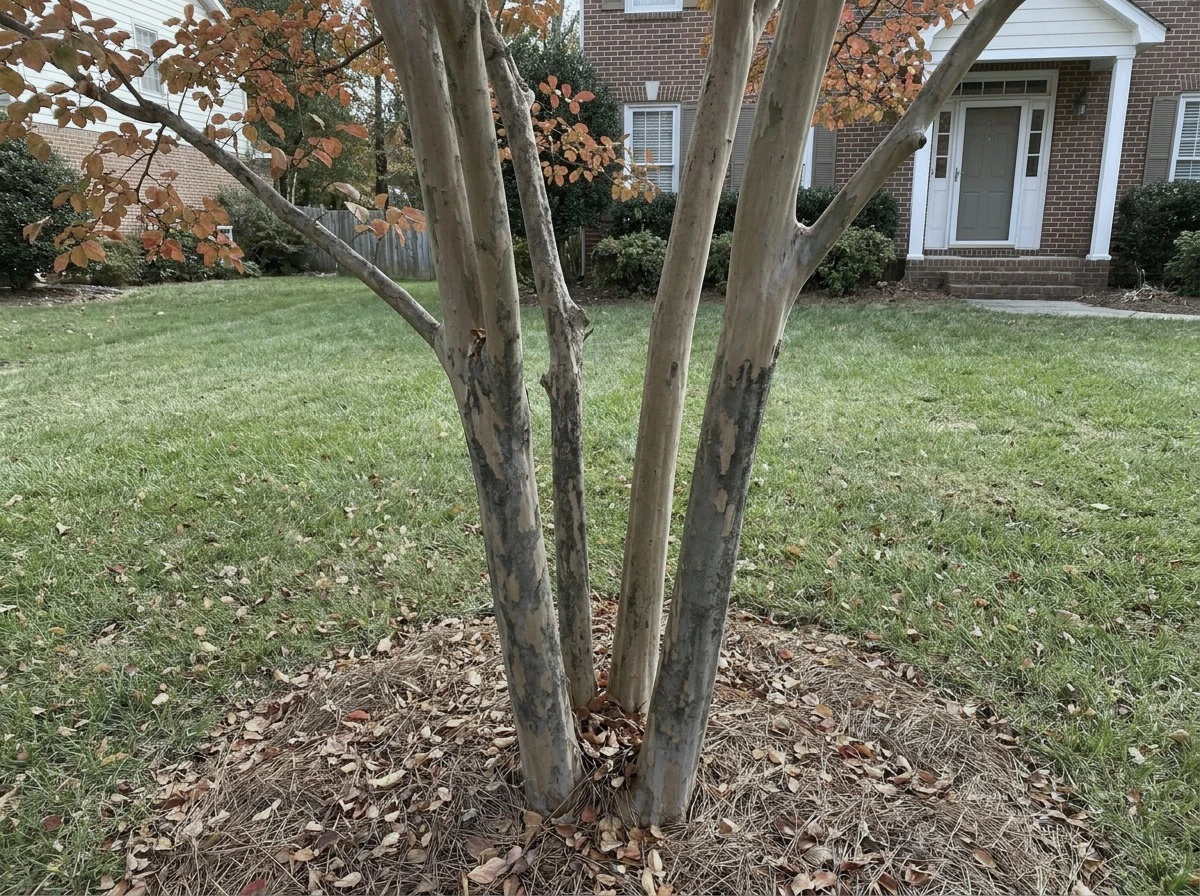
Match the pest's weak stage
On azaleas, NC State recommends treating in early spring and watching new growth for the first signs of damage, because the overwintering eggs inside the leaves are protected from sprays. Catching the first nymphs early keeps later generations smaller.
For crape myrtles, the North Carolina State University factsheet on crapemyrtle bark scale says eggs laid in late April hatch about three weeks later in early May, and a second hatch follows in September. Late spring and late summer are the two best times to spray, and summer oil should give adequate control of the young nymphs.
Keep spray off flowers and foragers
Treat only the plant that needs it, and only the part that needs it. Spray when bees are not foraging, and avoid windy days that carry drift onto nearby flowers. Check the ground under the shrub too: blooming weeds there can draw foragers into the spray zone.
Building a Landscape That Needs Fewer Treatments
The best pollinator protection is a pest problem that never reaches your threshold. Healthy, well-placed plants tolerate more feeding and recover faster.
Feed the root zone, not just the leaves
Stressed shrubs and trees attract more pests and recover more slowly. In North Carolina clay, compaction and poor root-zone nutrition are common stress sources. Our guide to deep root feeding for North Carolina trees explains why getting nutrients to the roots matters here more than in many other regions.
Tolerate a little, and keep habitat
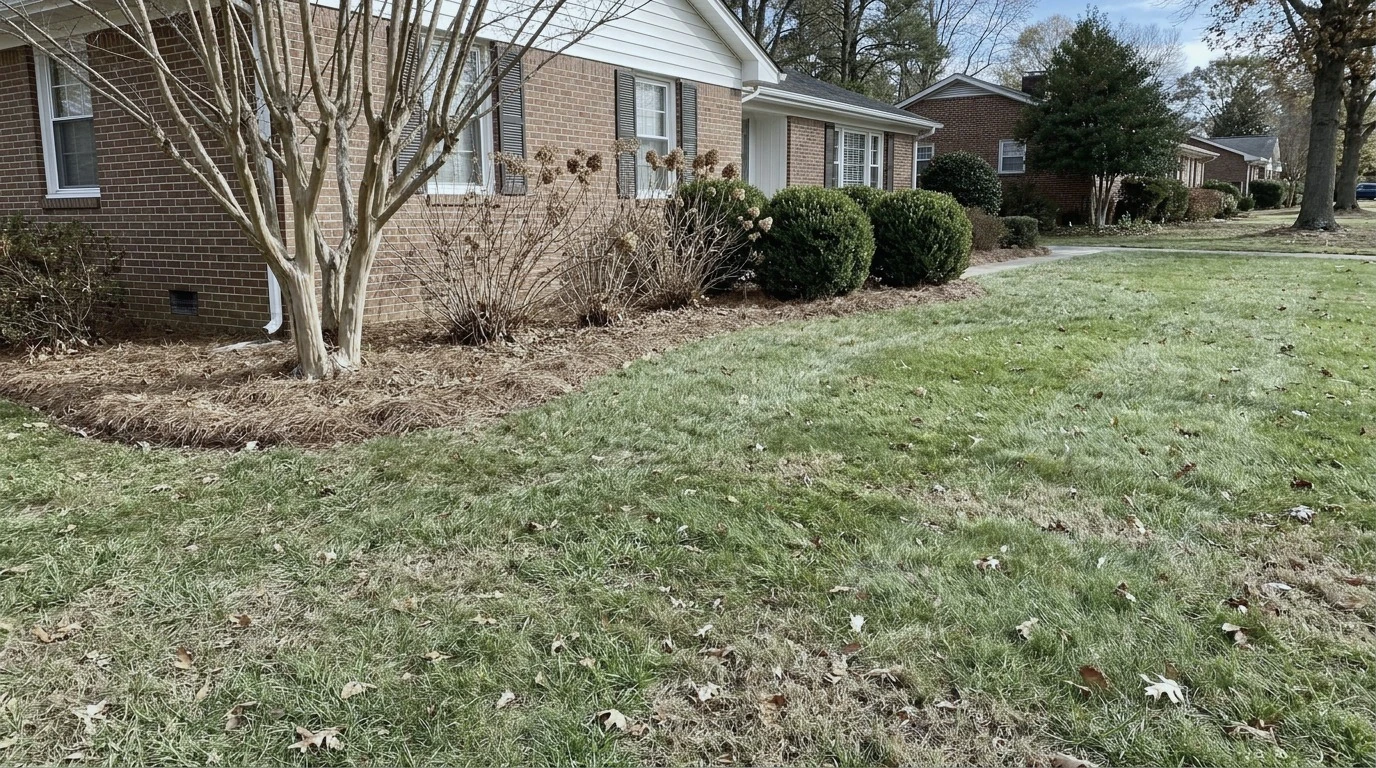
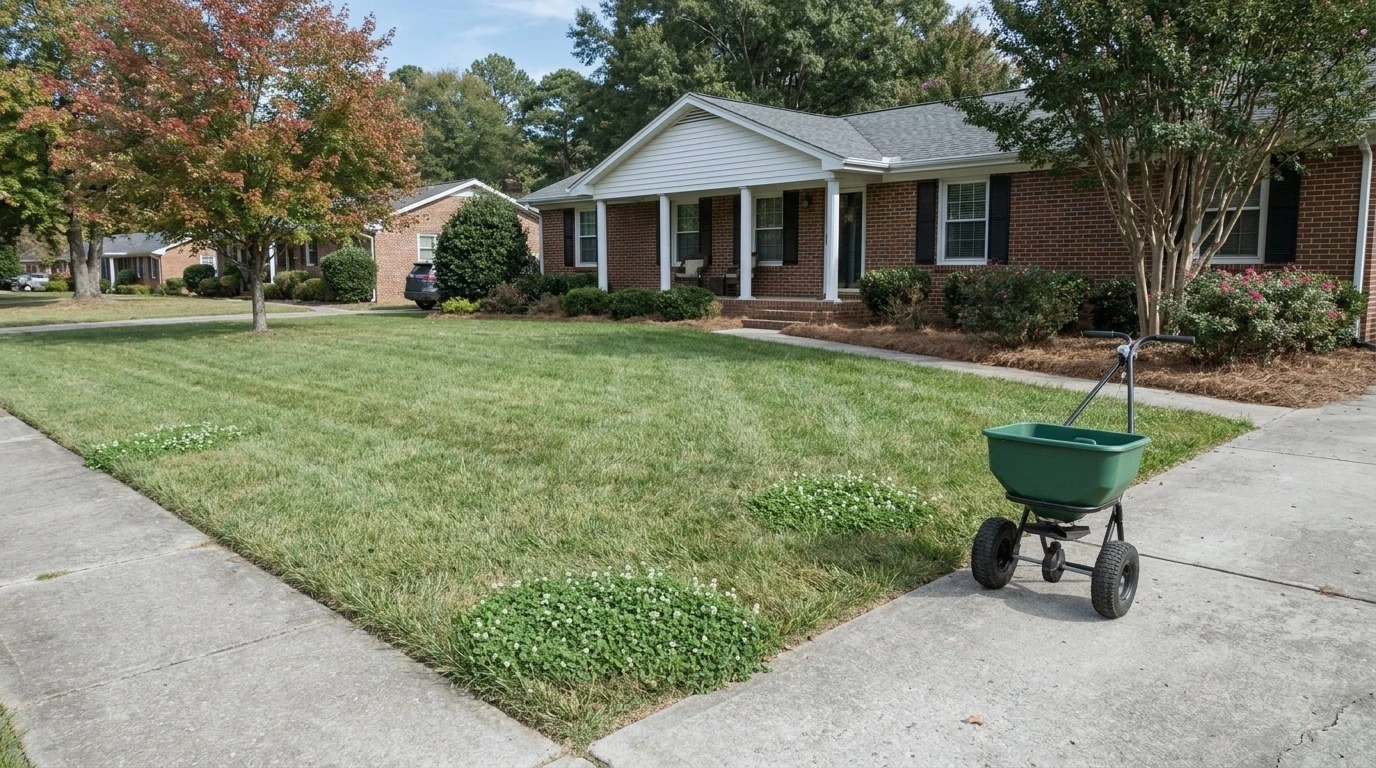
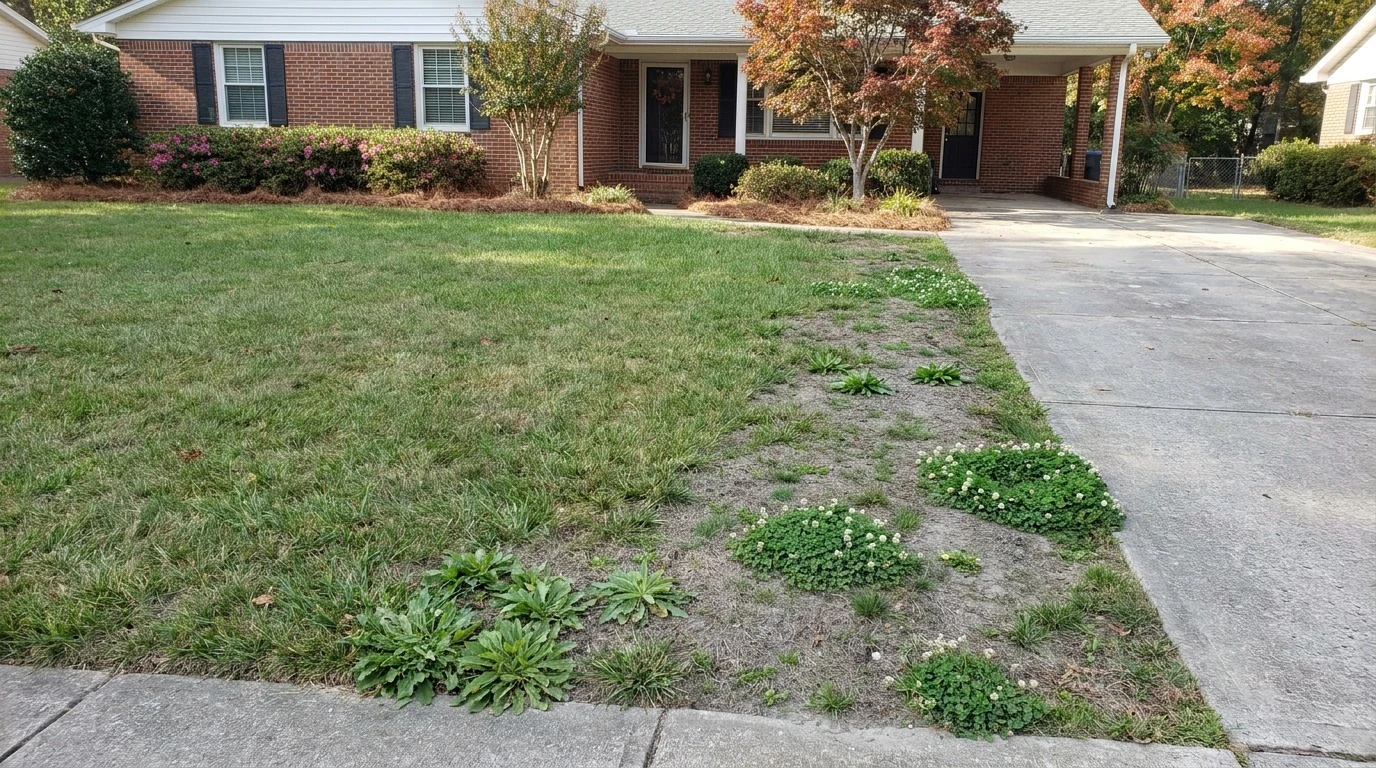
Some imperfection is part of a pollinator-friendly yard. NC State notes that clover flowers in a lawn provide nectar to honey bees, and that dandelion flowers matter to honey bee populations too. Removing weeds after flowering but before seed set feeds the bees and still limits spread.
Diverse plantings also keep predators close. For ideas on what to plant, see our earlier post on creating a pollinator haven. This guide covers the other half of the job: dealing with pests once they show up.
How Nature's Select® Handles Pests on Ornamentals
Nature's Select® is a member of the North Carolina State Beekeepers Association, and our tree and shrub program is built on threshold-based treatment. Broad-spectrum products are used only when pressure crosses a treatment threshold, matched to the pest at the lowest effective rate, on the affected area only.
Every property starts with a free on-property assessment and a same-day written estimate, with no long-term contract. One technician is assigned to your property year-round, so the person who checks your azaleas in spring is the one who knows what they looked like last fall. Learn more about our approach to tree and shrub care and our biological integrated pest management for lawns.
Key Takeaways
- Pollinator-safe pest control is a set of decisions about plant, pest, damage level, tool and timing, not a single product.
- Identify the pest before you treat: lace bugs, bark scale, aphids and armored scale each have a different vulnerable stage.
- Set a threshold for each plant and act only when damage crosses it, walking your beds at least twice a month.
- Horticultural oils and insecticidal soaps carry the lowest risk to nontarget insects, but never spray open flowers.
- Systemic and broad-spectrum products belong after bloom, on the one plant that needs them, at the label rate.
- Healthy roots, diverse plantings and some tolerance for imperfection mean fewer treatments over time.
Frequently Asked Questions
Is there a pesticide that will not harm bees?
No insecticide is completely harmless to a bee it lands on. Horticultural oils and insecticidal soaps come closest, because they work only on contact and leave no lasting residue. Once dry, they pose much less risk than products that persist. The safest approach is to treat only confirmed pests, keep sprays off open flowers and apply when bees are not foraging.
What is the safest insecticide for honey bees?
For ornamental pests such as aphids, scale crawlers and lace bug nymphs, horticultural oil is one of the safest choices. NC State Extension rates oils among the safest insecticides in use, with some of the lowest effects on nontarget insects. Safety still depends on timing: spray only plants that are not in bloom, on a calm day, when bees are not working the yard.
What is the number one killer of honey bees?
Honey bee losses usually come from several stresses at once, including parasites, disease, poor nutrition and pesticide exposure. A homeowner cannot control most of those, but you can control pesticide exposure in your own yard. Treating only confirmed pests, avoiding bloom and choosing contact products over persistent ones removes one stress from the bees that forage on your plants.
Can I spray my azaleas while they are blooming?
It is better not to. Azalea flowers draw bees in spring, and any spray that lands on open blooms can reach foragers. NC State recommends watching new growth in early spring for the first lace bug damage, which often lets you treat before or after the main bloom. If treatment cannot wait, use a contact oil or soap on the affected leaves only.
Why does my crape myrtle have a black trunk?
A black, sooty coating on crape myrtle bark is usually sooty mold growing on honeydew from crapemyrtle bark scale. Look for white, felt-like patches in the branch crotches to confirm it. The young crawlers hatch in early May and again in September, and those are the windows when a summer oil works best. Oil also helps weather away the sooty mold.
Do systemic insecticides hurt pollinators?
They can, which is why they need careful use. Systemic products move through the plant's tissues, so the timing relative to bloom matters. EPA added a bee advisory to labels for several neonicotinoids, with directions not to apply while bees are foraging or until flowering is complete. On ornamentals, save systemics for confirmed infestations, after bloom, on one plant.
How often should I check my shrubs for pests?
NC State suggests walking your landscape at least twice a month, and as often as twice a week in warm weather. Many problems take two to three weeks to develop, so regular checks catch them while populations are small and easier to control with low-risk tools. Focus on new growth, leaf undersides and branch crotches, where most ornamental pests start.
Conclusion
Protecting pollinators and protecting your ornamentals are not competing goals. When you identify the pest first, set a sensible threshold, choose the lowest-risk tool and time it around bloom, most North Carolina shrub problems can be solved without harming the bees and butterflies that visit your yard.
Nature's Select® builds that same logic into every visit, from threshold-based treatment to a single technician who knows your plantings year-round. If you would like a second set of eyes on your shrubs, request a free on-property assessment or call (888) 786-9735, and we will route you to the office covering your address.