5 Ways to Create a Pollinator Heaven
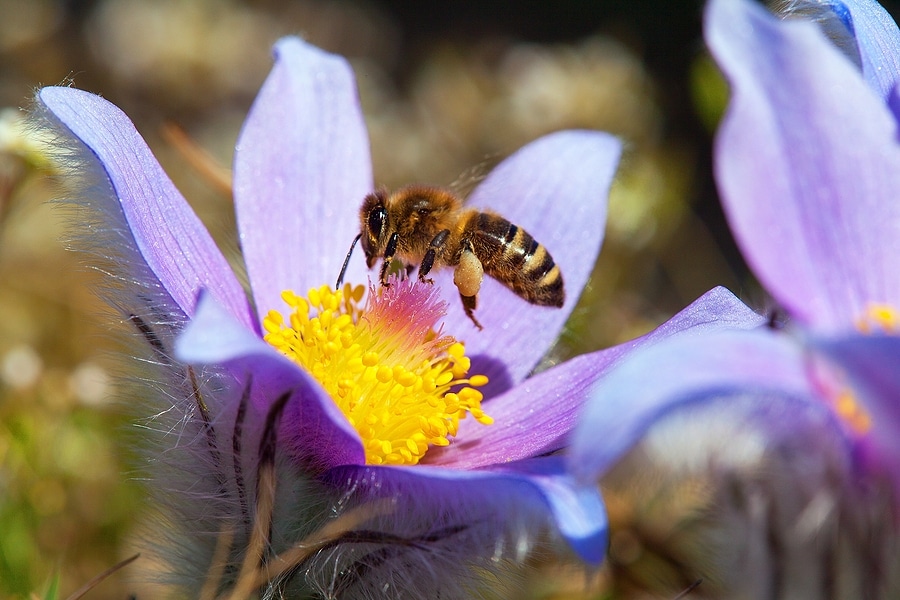
Creating a garden that attracts and supports pollinators is not only beneficial for the environment, but it can also add beauty and interest to your landscape. By planting various flowers, shrubs, and trees that provide nectar and pollen, you can create a haven for bees, butterflies, hummingbirds, and other vital pollinators. Below, Nature's Select Triangle gives you five key ways to create a pollinator heaven in your own backyard.
1. Plant Native Flowers
Native plants are adapted to the local climate and soil conditions, making them easier to care for and more attractive to native pollinators. Choose various flowering plants that bloom at different times throughout the growing season to provide food for pollinators year-round. Some great options include purple coneflower, bee balm, black-eyed Susan, butterfly weed, and goldenrod.
2. Provide Water Sources
Pollinators need water just like any other living creature. In your garden, include a shallow dish or birdbath filled with clean water for them to drink and stay hydrated. You can also add rocks or floating plants for insects like butterflies and bees to land on while they sip.
3. Avoid Pesticides
Chemical pesticides can harm pollinators and other beneficial insects in your garden. Instead of relying on chemicals to control pests, use natural methods like handpicking or introducing predatory insects like ladybugs or lacewings. You can also plant herbs, like basil or marigolds, that repel pests without harming pollinators.
4. Create Habitat Diversity
In addition to flowers and water sources, pollinators need shelter and nesting sites in your garden. Leave some areas of bare ground for ground-nesting bees or provide bee houses made from materials like bamboo or drilled wood blocks for solitary bees. You can also include patches of dense vegetation or shrubs where birds can nest and rest.
5. Maintain Your Garden
Regular maintenance is vital to keeping your pollinator garden healthy and thriving. Remove weeds that compete with your plants for resources; deadhead spent blooms to encourage new growth; and mulch around plants to retain moisture and suppress weeds. Consider adding compost or organic fertilizer each year to improve soil health and promote strong growth.
Work With Nature, Not Against It
By following these tips, you can create a beautiful and functional garden that benefits you and supports important pollinators in your area. Are you looking for other ways you can work with nature and not against it? Then contact the lawn care team here at Nature's Select in Chapel Hill, NC. We proudly support lawns throughout the area, providing biologically-based solutions and care. We also offer lawn disease and pest control. So, don't wait; call us today at (919) 240-4239, and let's support nature together!