Nature's Select Logo
Home
Resources
Blogs
Add These 3 Winter Blooms to Your Garden

Add These 3 Winter Blooms to Your Garden

October 21, 2021
2 minutes read

During the spring and summer months, gardens around North Carolina thrive with colorful flowers and bright green vegetation. However, most, if not all, of these blooms hibernate in the winter, leaving your landscaping bare. While Nature's Select Sandhills works on keeping your lawn healthy, you can add these vibrant winter blooms to your flowerbeds.

Add These 3 Winter Blooms to Your Garden

1. Christmas Rose

The Christmas rose is a favorite amongst florists who love seeing the snowfall against brightly colored blooms. With its white petals, yellow stamens, and vibrant evergreen leaves, the Christmas rose is perfect for shady gardens. It's also very deer resistant, which means you won't have to worry about these wild herbivores destroying your winter garden. 

2. Winter Aconite

As a low-growing plant, the winter aconite releases a bright yellow, daisy-like flower that peeks out from under a fresh blanket of snow. However, don't be surprised if you find new blooms popping up in other places, as aconite tends to spread. Furthermore, you'll want to plant this in well-drained areas and soil with plenty of moisture. 

3. Wintersweet

If you're looking for a winter bloom that gives off a certain scent, then wintersweet is perfect. You'll smell the lovely spicy aroma long before you spot the bush. Upon further inspection, you'll notice that the flowers grow right along the branches. Wintersweet thrives in sunlight, so make sure you plant it in a well-lit area with well-drained soil. 

Compliment Your Garden with A Select Lawn Care Program

The perfect garden means nothing without a vibrant lawn to accentuate it. That's why so many homeowners throughout Pinehurst and Seven Lakes, NC, turn to Nature's Select Sandhills. We have various lawn care programs that work with nature, giving you that picture-perfect lawn. Some of our top programs include aeration and seeding, lawn disease control, and lawn pest control. So, get your free estimate today by calling (910) 757-0359.

NS Plant White Icon

Join a proven brand with a simple, effective process.

Explore Franchise Opportunities

More Articles

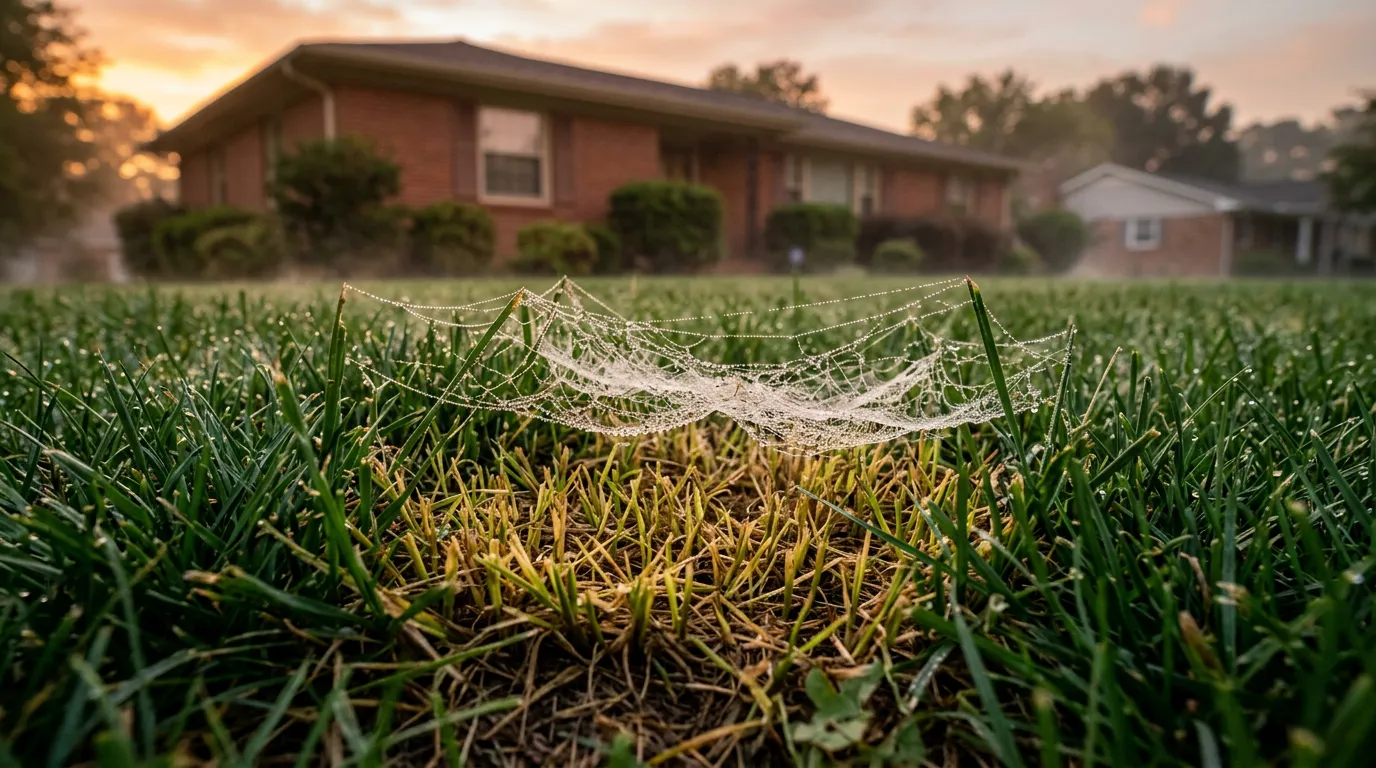
Sod webworm silk webbing shimmering in dawn dew across a tall fescue lawn in central North Carolina during August peak damage window
Sod webworms are caterpillars of small light-brown moths (Crambus and Parapediasia species) that feed on tall fescue and warm-season turf at night from July through August across North Carolina, cutting grass blades at the thatch line and dragging them into silk-lined tunnels. The tells are dawn silk webbing shimmering in the dew, dusk zig-zag moth […]
August 12, 2026
14 minutes read
Read article →
Homeowner's hands cupping turf-type tall fescue seed above green lawn showing overseeding rate for North Carolina fescue.
For most North Carolina tall fescue lawns, plan on 3 to 4 pounds of seed per 1,000 square feet for a routine fall overseed, 5 to 6 pounds for a moderately thin lawn, and 8 to 10 pounds when you are renovating bare or badly damaged turf. That range comes from NC State Extension research, […]
August 9, 2026
7 minutes read
Read article →
Soil thermometer reading four-inch depth in a tall fescue lawn in central North Carolina during the fall aeration window with early-morning autumn light.
The best time to aerate a lawn in North Carolina is when soil temperature at four inches sits between 65 and 75 degrees Fahrenheit. For tall fescue in the Triad and Triangle, the ideal time to aerate and overseed falls between mid-September and early October and lasts roughly three weeks. For bermuda and zoysia in […]
August 6, 2026
14 minutes read
Read article →

Ready for a Free On-Property Assessment?

Same-day estimate. 30+ years of biological methodology. Nature's Select® Guarantee. Local franchises, one team.
homeuserphone-handsetcalendar-fullcrossmenulist Skip to content