Top 5 Summertime Lawn Care Tips for North Carolina

Summertime in North Carolina is a critical time for your lawn as it faces the challenges of heat, humidity, and potential drought conditions. To keep your lawn looking lush and vibrant during the hottest months, we're sharing the most important summertime lawn care tips specifically tailored for North Carolina. Continue reading to learn more from the team at Nature's Select®
1. Water Wisely
Watering your lawn efficiently is crucial during the summer, as North Carolina's climate can be hot and dry. While providing adequate moisture is essential, it's equally important not to overwater. The key is to water deeply but infrequently to encourage the grass roots to grow deeper, making them more resilient to drought conditions. Aim for around one inch of water per week, including rainfall. Water in the early morning or late afternoon to minimize evaporation, and consider using a sprinkler system or soaker hose to ensure even coverage. Avoid watering during the evening, as this can promote fungal growth.
2. Mow at the Right Height
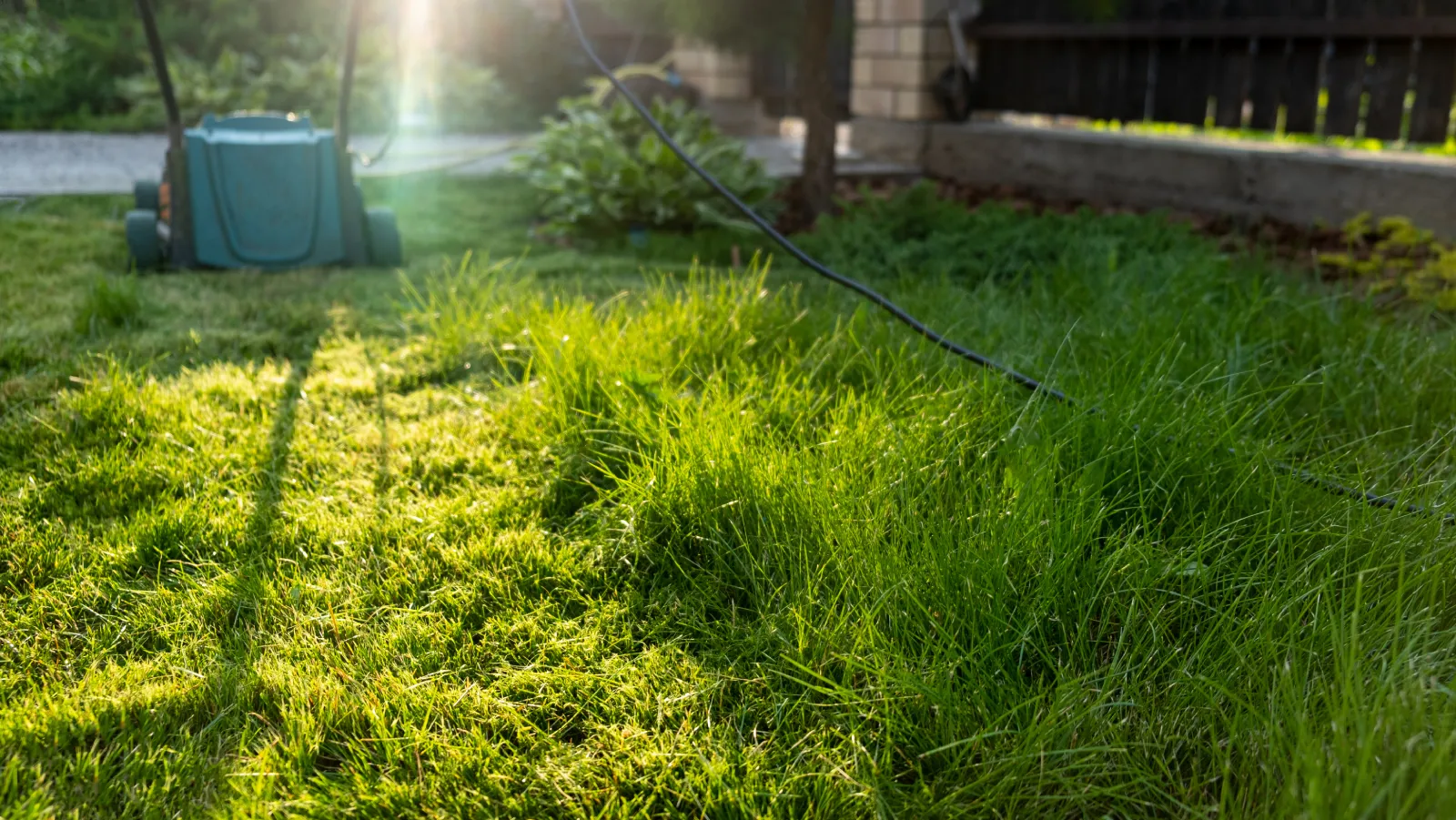
Proper mowing is critical to maintaining a healthy lawn. During summer, it's advisable to raise the mowing height slightly. Taller grass provides shade to the soil, reducing water evaporation and weed growth. Set your mower to about 3 to 3.5 inches, depending on your grass type. Avoid cutting off more than one-third of the grass height at once, as this can stress the lawn. Regular mowing with a sharp blade will help maintain a tidy appearance and allow the grass to thrive.
3. Use Proper Fertilization Techniques
Applying fertilizer appropriately during the summer months can support your lawn's health and resilience. However, it's essential to choose the right type of fertilizer and follow recommended guidelines. Look for a slow-release or controlled-release nitrogen fertilizer with a low phosphorus content. Avoid fertilizing during drought or extreme heat, as it may harm the grass. Follow the manufacturer's instructions carefully, and consider soil testing to determine the specific nutrient needs of your lawn.
4. Practice Weed Control
Regularly inspect your lawn for any signs of weed growth and tackle them early on. Hand pulling or spot treating with appropriate herbicides can help eliminate weeds without harming your grass. Remember to follow the instructions on herbicide labels and consider using environmentally-friendly options.
5. Protect against Pests and Diseases
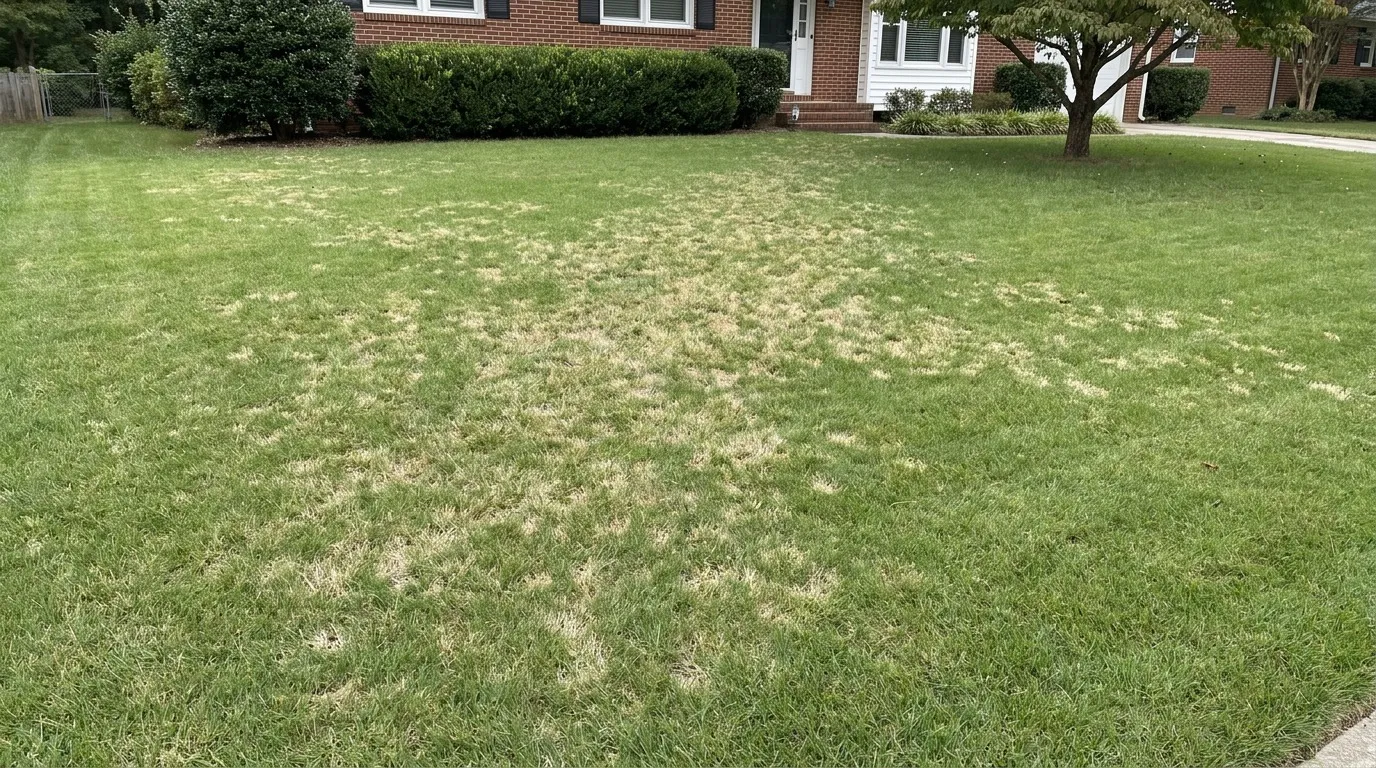
The warm and humid climate of North Carolina provides favorable conditions for pests and diseases that can damage your lawn. Monitor your lawn for signs of common pests like grubs, chinch bugs, or armyworms, and take appropriate measures to control them. Similarly, watch for signs of diseases such as brown patch or dollar spot. Proper watering, mowing, and fertilization practices, along with good air circulation, can help prevent these issues.
Need a professional hand with lawn care? Nature's Select® proudly serves Winston-Salem and the surrounding areas. Contact us today for a free estimate.