5 Fall Maintenance Tips for Bermudagrass

Cooler temperatures are starting to settle in. You've likely noticed a new chill in the morning air or have spotted the first leaves starting to change. With this change in the seasons also comes changes in lawn care from Nature's Select Piedmont. These weather changes signify the growing season is over for warm-weather grasses like bermudagrass, centipede grass, and zoysiagrass. So, if you want your bermudagrass to survive the winter, here are some fall lawn care maintenance tips.
1. Test the Soil
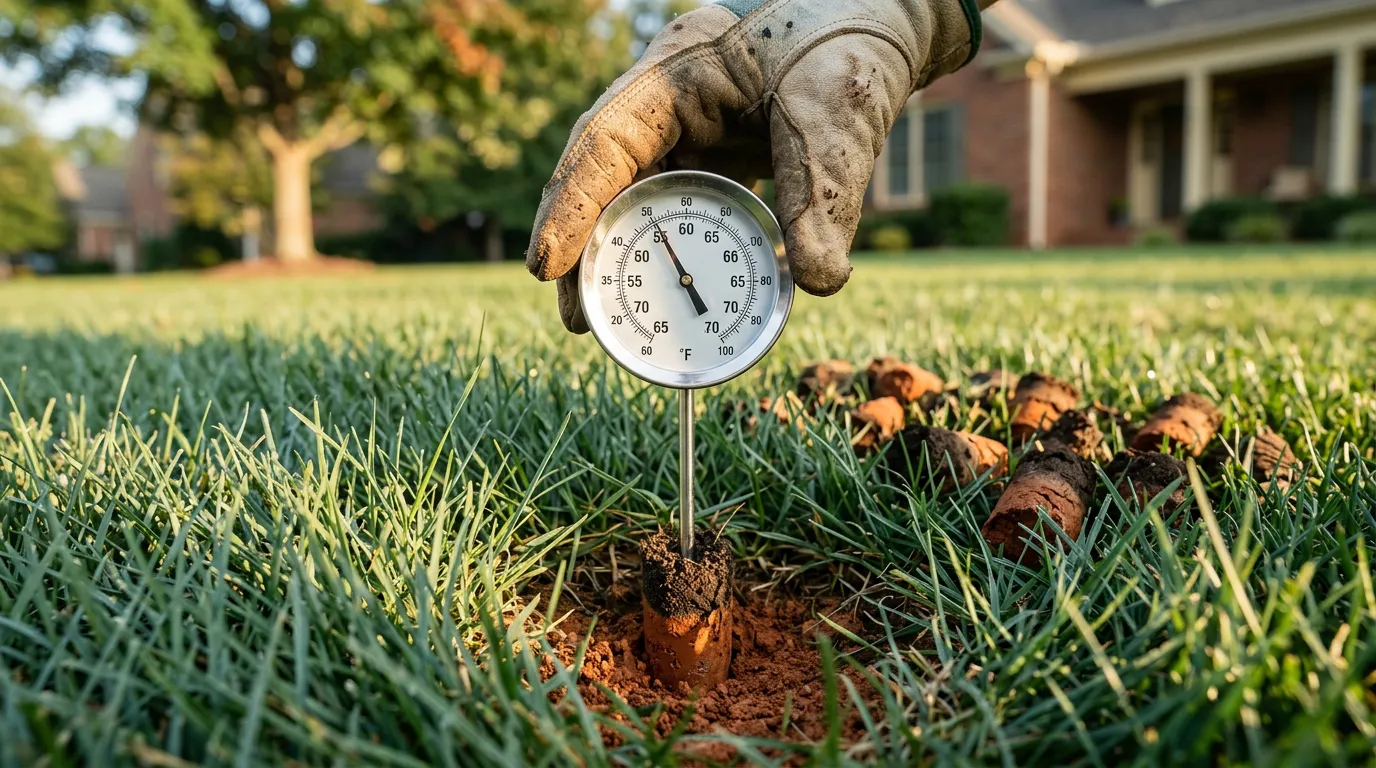
After all the summer rains and foot traffic, testing your soil in the fall is crucial. You don't need to have bermudagrass to find this step beneficial, either. So, before you do any maintenance, find out what condition your soil is in, and make the recommended adjustments. This will leave you ahead of the game come springtime.
2. Stop Fertilizing
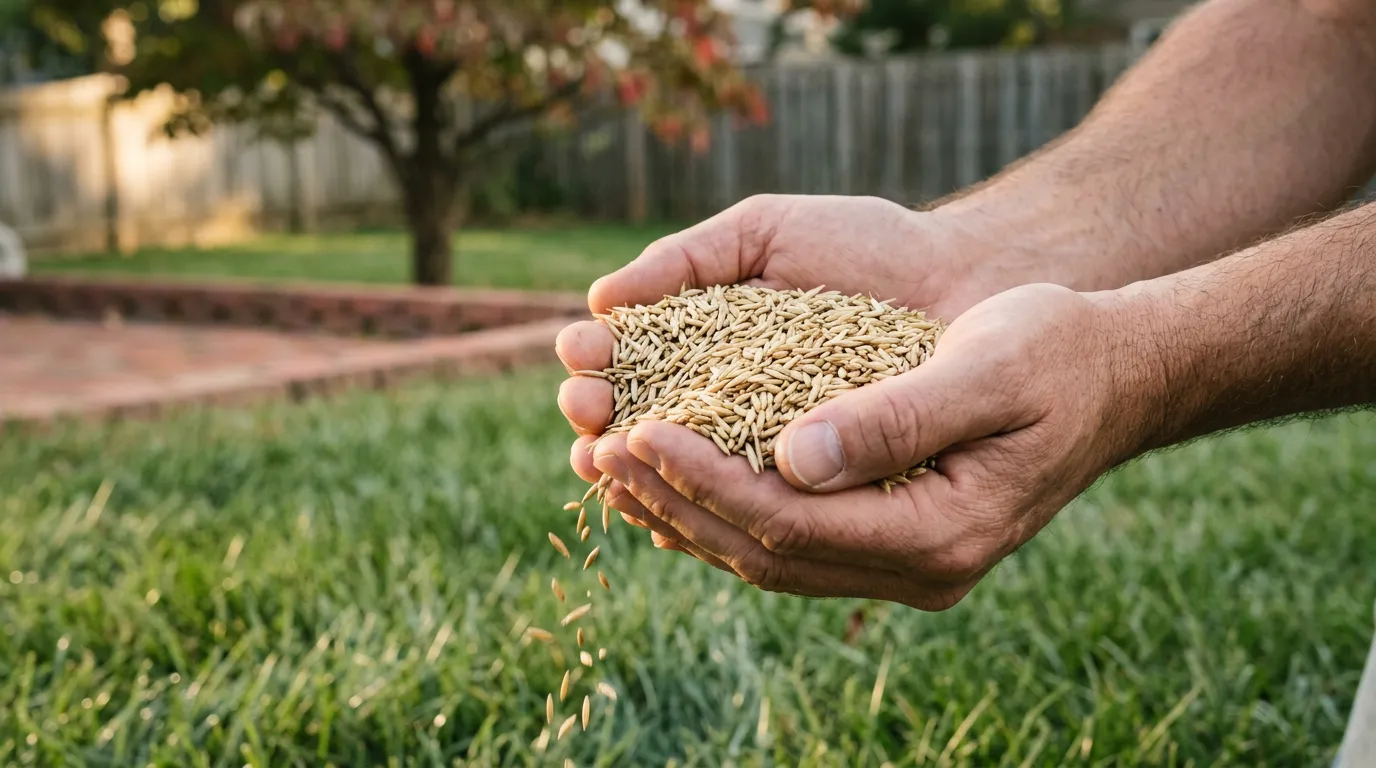
Unless you've overseeded recently or plan to, your bermudagrass won't need any more fertilizer for the rest of the year. You should have planned your last feeding about six to eight weeks before the first frost of the fall season. If you're not sure when this might be, then it's always best to hire a team of professionals who know the weather patterns and seasonal changes.
3. Limit Watering
In the case of warm-season grasses, you'll want to avoid overwatering them the closer we get to fall and winter. Their deep roots can soak up what moisture is left in the soil, and the occasional rains will be more than enough to keep them well-watered during the cooler months. Remember, overwatering your grass will likely do more harm than good.
4. Stop Weeds in Their Tracks
Bermudagrass that's thick and well maintained can fight off weeds and crabgrass. However, if you have sparse areas, or your lawn isn't as thick as you'd like, then you should plan to hit weeds hard this fall. If you'd rather hand this over to the pros, then Nature's Select will spot treat your lawn, putting a focus on soil nutrients and pH levels to help fight off weeds.
5. Manage Leaves
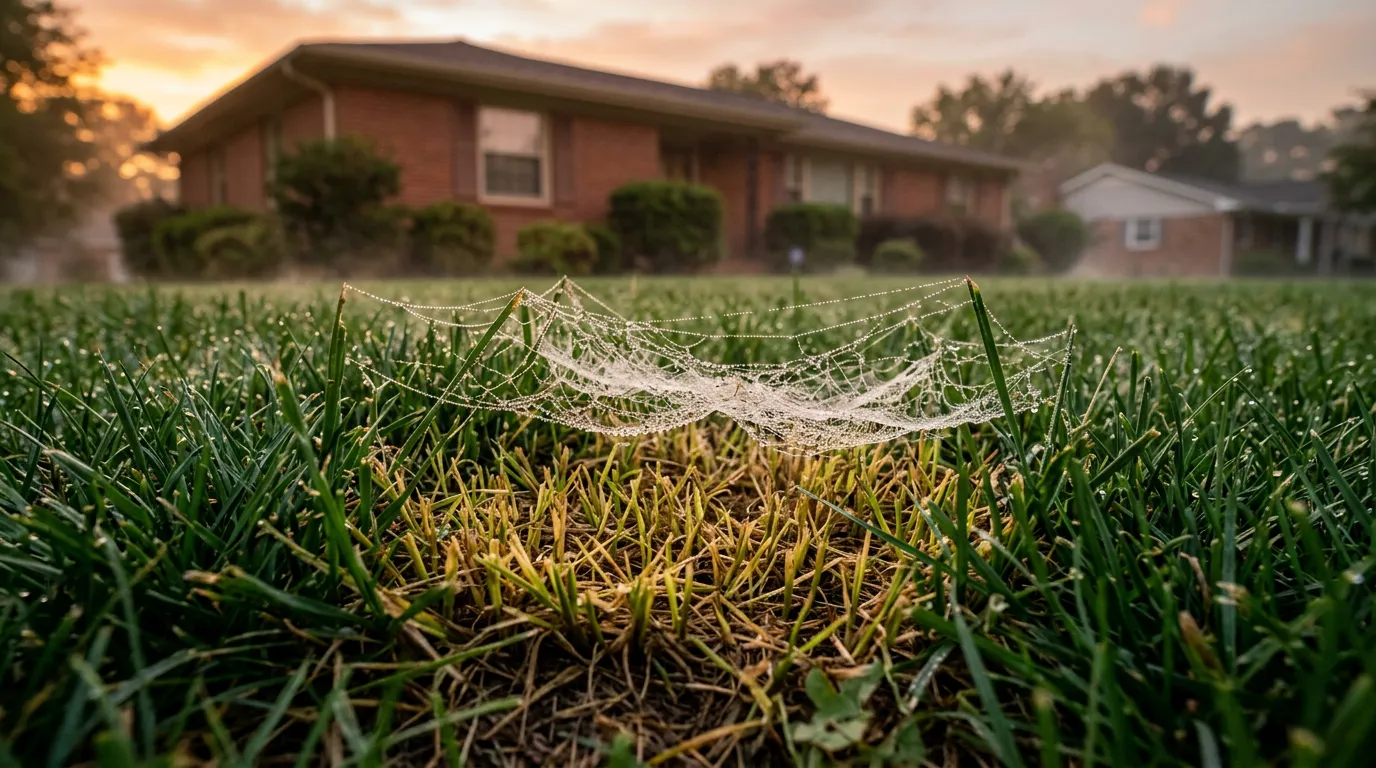
Heavy accumulations of leaves on your lawn can choke grass blades before they have a chance to go dormant. Therefore, no matter your type of grass, you should always aim to keep the leaves off of it. If you allow a thick layer of leaves to lie on the lawn before winter, you run the risk of experiencing snow mold or other lawn diseases in the spring.
Get Your Lawn Ready for Fall
Preparing your lawn for the fall and winter doesn't have to be a chore. If you live in or around Piedmont, NC, give our team a call at Nature's Select Piedmont. We can help care for your bermudagrass through experienced biological lawn care techniques. We can even take care of those boxwoods or treat your lawn for disease and pests. So, give us a call today at (336) 544-4554.