The Best Time to Control Dandelions for a Weed-Free Lawn
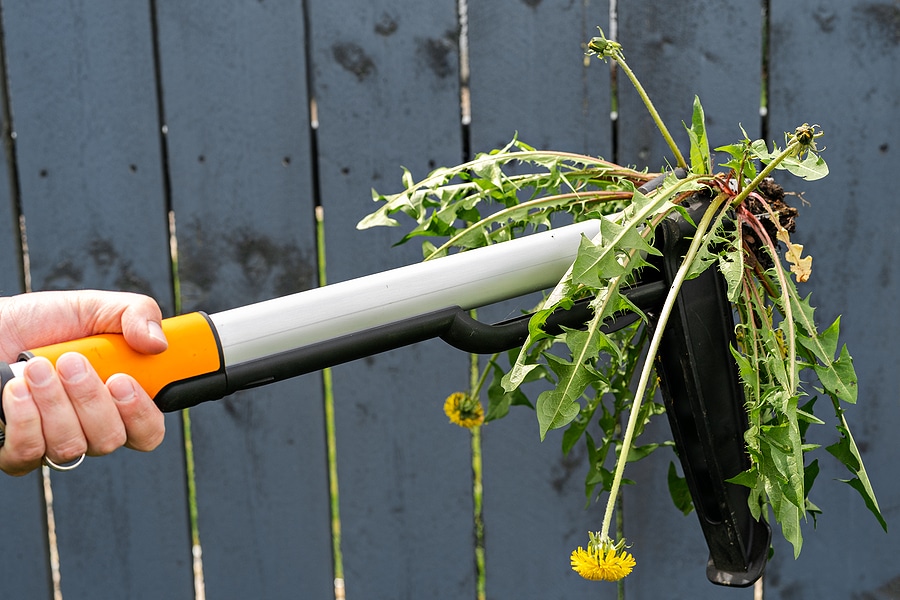
Dandelions—a childhood delight but a homeowner’s frustration. While their bright yellow flowers may bring back memories of making wishes, these pesky weeds can quickly take over your lawn if left unchecked. At Nature’s Select®, we know that the key to a lush, weed-free yard is timing. So, when is the best time to tackle dandelions? Let’s break it down.
Why Timing Matters in Dandelion Control
Dandelions are perennials, meaning they return year after year if not properly managed. They have deep taproots that make them stubborn and resilient, so the right approach at the right time is crucial for effective control. Treating dandelions when they’re most vulnerable will help ensure your lawn stays healthy and beautiful.
Spring vs. Fall: The Best Time to Take Action
Many homeowners make the mistake of trying to kill dandelions in the spring when their yellow blooms are most visible. While spring treatments can work, fall is actually the most effective time to control them.
Spring: During early spring, dandelions are in active growth, making it harder to kill them completely. If you apply herbicides now, you might see some results, but the taproot can survive and regenerate.
Fall: This is the prime time for dandelion control! As temperatures cool, dandelions begin pulling nutrients down into their roots to prepare for winter dormancy. Applying a selective herbicide in the fall allows it to travel deep into the root system, effectively killing the plant before it has a chance to return in the spring.
How to Keep Dandelions from Coming Back
Stopping dandelions before they start is just as important as getting rid of existing ones. Here’s how to prevent future infestations:
- Maintain a thick, healthy lawn. Dandelions thrive in weak, patchy areas. Regular fertilization and proper mowing height help create a dense lawn that naturally crowds out weeds.
- Use pre-emergent solutions. A spring application can help prevent new dandelion seeds from germinating.
- Water and mow properly. Deep, infrequent watering strengthens grassroots, making it harder for weeds to establish. Mowing at the correct height (about three inches) shades out dandelion seedlings.
Say Goodbye to Dandelions—For Good!
Dandelions may be tough, but with the right timing and care, you can reclaim your lawn. At Nature’s Select®, we specialize in weed and management, lawn disease prevention, and insect control to keep your yard in Pinehurst, NC, in peak condition year-round. Let us help you achieve a lush, healthy lawn free of stubborn weeds. Request your free estimate at (888) 786-9735.