Weeds That Thrive in the Winter
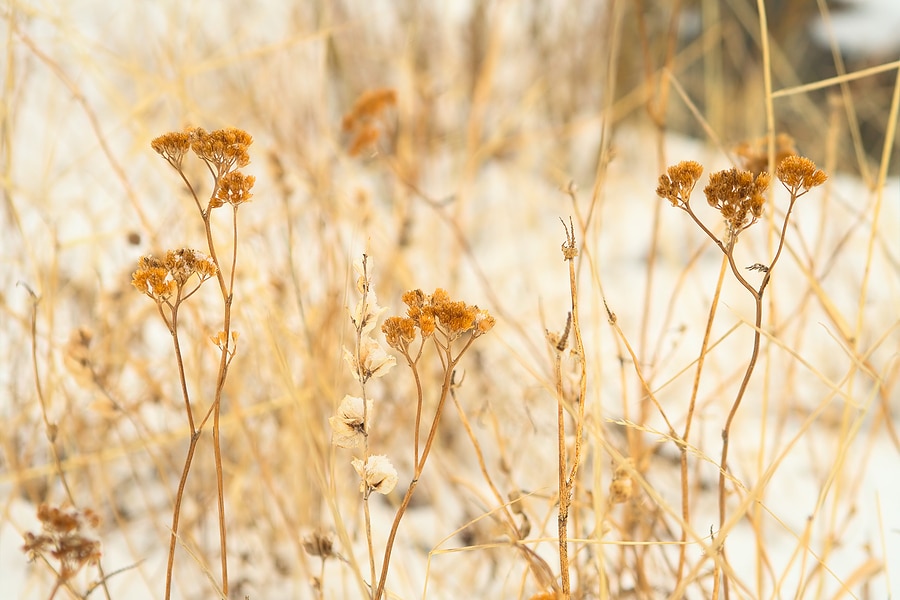
Winter is often seen as a time of dormancy and hibernation for many aspects of nature. However, when it comes to weeds, some resilient species manage to thrive even in the coldest months. As homeowners in Chapel Hill, NC, it's important to stay informed about the weeds that can take hold during winter and how to tackle them effectively. So, let's talk about the weeds that are most likely to cause trouble in your yard during the winter season and provide insights on how Nature's Select® can help you maintain a beautiful and weed-free landscape all year round.
The Winter Weed Brigade
Chickweed
While many plants struggle to survive, chickweed defiantly flourishes in the winter. With its small white flowers and delicate leaves, this weed can quickly spread across your lawn if left unchecked.
Henbit
Henbit is another winter weed that Chapel Hill homeowners need to watch out for. Its purple flowers may add a touch of color to the otherwise barren landscape, but don't be fooled by its appearance—this weed can be invasive and compete with desirable plants for nutrients.
Poa Annua
Poa annua, also known as annual bluegrass (not Kentucky bluegrass), is a common winter weed that can be particularly pesky. It thrives in cooler temperatures and can quickly overrun your lawn if not properly managed.
Nutsedge
Nutsedge can be a persistent and stubborn weed that often thrives during the winter months. Our nutsedge control services target this weed at its root, ensuring long-lasting results and a more resilient lawn.
Tackling Winter Weeds with Nature's Select®
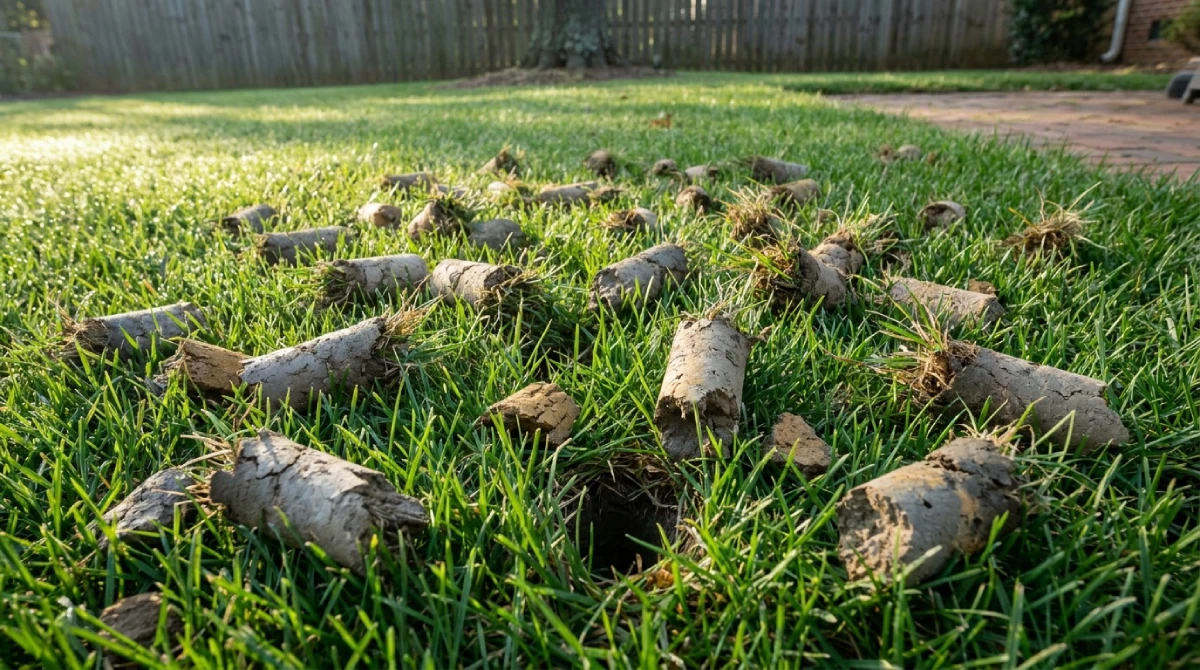
Nature's Select® is your trusted partner in tackling winter weeds and maintaining a pristine landscape. Our comprehensive range of services is tailored to target specific weeds like Poa annua and nutsedge, ensuring effective control and long-lasting results. With our specialized nutsedge control treatments, we address this persistent weed at its root, preventing it from taking over your lawn. Additionally, our expert team provides aeration and insect control services, promoting a healthier lawn and minimizing the growth of winter weeds.
Get a Beautiful, Weed-Free Landscape All Year Round
Winter weeds may try to take over your lawn, but with the help of Nature's Select®, you can maintain a beautiful and weed-free landscape throughout the year. In addition to weed control, we can also help you with disease management, helping your lawn build resistance to all types of invaders. Don't let winter weeds dampen the beauty of your yard – contact us at (888) 786-9735 for a free estimate and take the first step towards a weed-free lawn that you can enjoy all year long.