Sandy Soil & Stubborn Weeds: The Lawn Connection You Need
Weeds keep returning to Pinehurst lawns because sandy Sandhills soil drains water and nutrients before grass roots can use them, leaving turf thin and full of open gaps. Fixing the soil first thickens the grass so weeds lose the space they need to take hold.
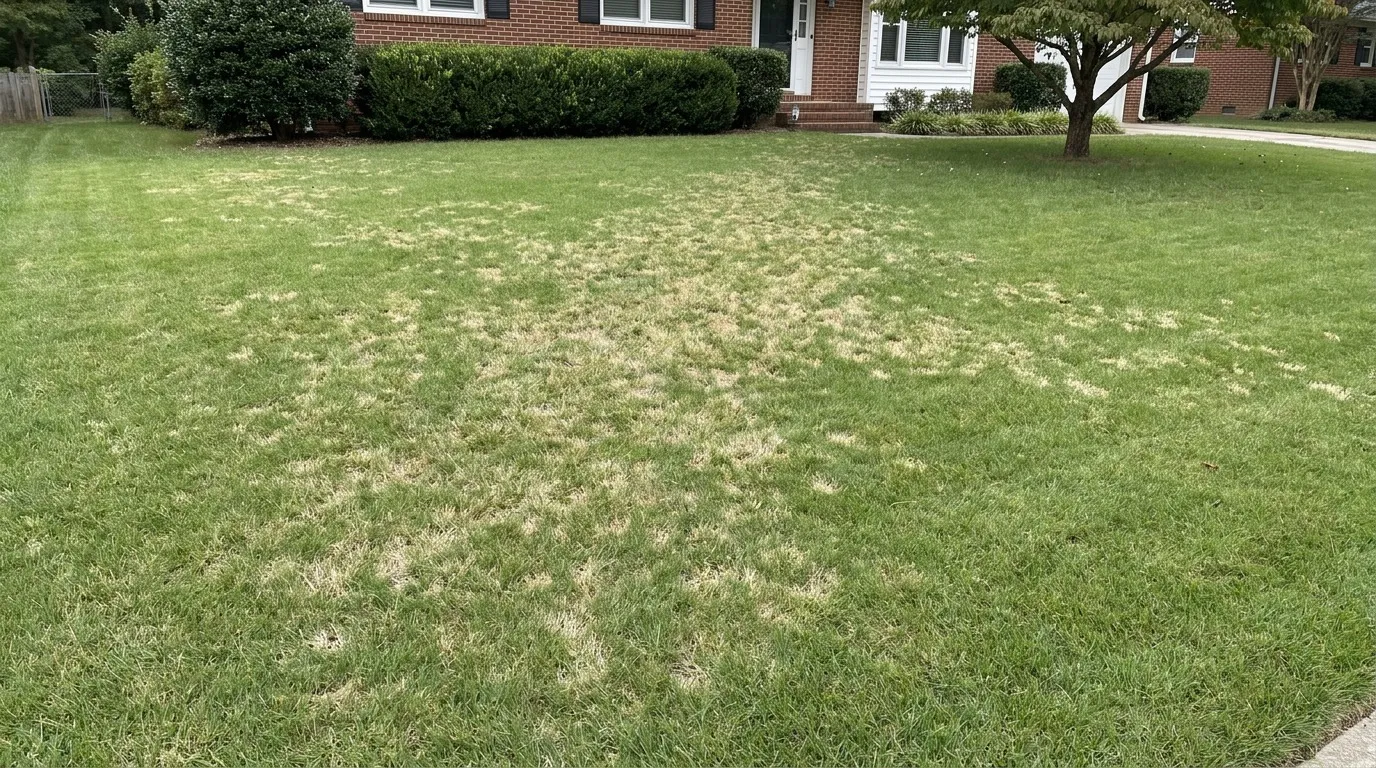
Weeds keep coming back on Pinehurst lawns because sandy Sandhills soil drains too fast to hold the nutrients grass needs, and that thin, hungry turf is exactly what Weed Control Services in Pinehurst are designed to fix at the root. You water on schedule and mow with care, yet the same bare patches fill with weeds every spring while your neighbor's yard somehow stays thick.
That frustration makes sense when you have followed the directions on every bag of fertilizer and still watched the lawn thin out. The truth is, sandy soil and weed pressure aren't two separate problems at all. They are one problem showing up in two places at once, and once you see how the soil and the weeds are connected, the path to a thicker lawn becomes much clearer.
Why Pinehurst's Sandy Soil Works Against Your Lawn
The same fast-draining sand that made this region famous for golf courses also makes home lawns harder to keep thick. Golf greens have crews, irrigation systems, and daily feeding schedules built around that sand, while most homeowners are working with a sprinkler and a few weekend hours. Water and nutrients move through sandy soil quickly, often before grass roots have a real chance to absorb them, and that leaves turf thin, stressed and open.
Sand particles are large, so the spaces between them are large too. Water slides through those spaces instead of clinging to them, carrying dissolved nutrients past the root zone as it goes. Here is what that looks like in a typical Pinehurst, Aberdeen or Southern Pines yard:
- Fast drainage: Rainfall and irrigation pass through the root zone within hours, so the surface dries out quickly in summer heat.
- Nutrient loss: Nitrogen and other soluble nutrients wash downward with the water, which means a fertilizer application fades faster than the label suggests.
- Low soil carbon: Sandy ground holds very little decomposed plant material, and that fraction of soil grips water and feeds soil life.
- Acidity drift: Sandy soils tend to lean acidic over time, which can lock up nutrients even when they are present.
The N.C. Cooperative Extension notes that sandy soils drain well because of their large pore spaces, but that same structure lets nutrients wash away, and recommends soil testing every two years to keep pH in check. That combination of fast drainage and steady nutrient loss is what sets the stage for weeds.
How Sandhills Soil Compares to Clay Soil Elsewhere in North Carolina
Homeowners who move to Moore County from the Triad or the Triangle are often surprised by how differently their new lawn behaves. Clay soil and sandy soil fail in opposite ways, so advice that worked in Greensboro or Chapel Hill doesn't always carry over.
| Soil Trait | Sandy Sandhills Soil (Pinehurst Area) | Clay Soil (Triad and Triangle) |
| Drainage speed | Very fast, water passes through in hours | Slow, water can sit on the surface |
| Nutrient holding | Low, nutrients wash below the roots | High, nutrients bind tightly to clay |
| Common lawn problem | Thin, hungry turf and drought stress | Compaction and poor root growth |
| Typical grass types | Zoysia, centipede and bermuda | Mostly tall fescue |
| Main soil goal | Help the soil hold water and nutrients | Loosen the soil and improve air flow |
Because sandy soil struggles to hold on to what you give it, the answer is not simply more fertilizer or more water. The answer is to build soil that keeps those resources in the root zone long enough for the grass to use them.
The Domino Effect: Thin Turf, Fast Drainage, Weed Pressure
Weeds are opportunists, and they need less an invitation than an opening. Wherever grass thins out from nutrient loss, weed seeds already sitting in the soil get the light and space they need to germinate. A healthy lawn shades the soil surface and crowds out seedlings, but a thin lawn leaves bare ground exposed to sunlight, and that is all a dormant weed seed is waiting for.
A few bare patches can become dozens within a single season, and each one becomes a new seed source for the following year. The cycle tends to unfold in a predictable order:
- Nutrient loss: Fast drainage strips nutrients away before roots can absorb them.
- Thinning turf: Hungry grass slows its growth and leaves gaps where competition is weak.
- Weed germination: Weeds establish in those gaps and set seed before most homeowners notice them.
- Repeat cycle: The pattern returns and worsens every season until the soil itself changes.
This cycle is so stubborn because each stage feeds the next. Weeds compete with the remaining grass for the same scarce water and nutrients, thinning the turf further and opening more room for the next generation of weeds.
Weeds That Take Advantage of Thin Sandhills Lawns
Different weeds move in at different times of year, which is why a Pinehurst lawn can seem to trade one weed problem for another as the seasons change. Knowing which ones show up when helps explain why timing matters so much in a weed control program.
| Weed | Season It Appears | Why It Thrives in Thin Sandy Lawns |
| Crabgrass | Late spring through summer | Germinates in bare, sunny gaps as soil warms |
| Goosegrass | Summer | Fills worn, thin areas along edges and walkways |
| Nutsedge | Summer | Spreads quickly in low spots or overwatered zones |
| Annual bluegrass | Fall through spring | Germinates while warm-season grass is dormant |
| Chickweed | Late fall through spring | Spreads across thin turf during cool months |
| Dichondra | Spring through fall | Creeps into thin warm-season turf and forms mats |
Each of these weeds shares the same weakness: it struggles to establish in a dense, well-fed lawn. That is the key to breaking the cycle for good.
Why Spraying Weeds Alone Never Solves It
Killing the weeds you see today doesn't stop next season's crop from germinating in the same weak spots. A lot of lawn care in North Carolina still treats symptoms this way, applying the same products on a fixed calendar instead of asking why the weeds found an opening in the first place.
Weed treatments have a place in every good program, and the goal isn't to avoid them. The goal is to use them as one part of a plan that also fixes the conditions that keep inviting weeds back.
The Spray and Repeat Cycle
Broad weed treatments knock back visible weeds fast, which feels like progress when you look out the window the following week. The seeds already sitting dormant in thin soil do not disappear, though, and they simply wait for the next opening before germinating right on schedule the following season.
This is why so many homeowners feel like they are fighting the same battle every spring. The cycle usually looks like this:
- Spring treatment: Visible weeds die back, and the lawn looks cleaner for a few weeks.
- Bare spots remain: The spaces those weeds occupied stay open because the turf around them is still thin.
- New germination: Fresh weed seeds sprout in the same gaps once conditions are right.
- Another treatment: The process starts over, and the soil never gets any stronger.
What Gets Missed
A calendar-only approach treats every lawn the same way, regardless of what is actually happening underground. Two lawns can look identical from the curb, but one has healthy, nutrient-holding soil while the other is losing everything sandy ground cannot retain. Treating both the same way means the struggling lawn never gets what it actually needs.
When the soil is left out of the conversation, a few important things tend to slip through the cracks:
- Soil pH: Acidic sandy soil can block nutrient uptake, so fertilizer underperforms even when it is applied on time.
- Soil biology: Without active soil life, nutrients aren't cycled or held near the roots where grass can reach them.
- Grass type: Zoysia, centipede and bermuda each have different feeding and timing needs that a generic schedule can miss.
- Root depth: Shallow roots in dry sand make the lawn vulnerable to summer stress, which opens more gaps for weeds.
Soil First: Our Weed Control Services in Pinehurst
Our approach starts underground. We rebuild soil biology with our proprietary blend of living microbes, minerals and carbon-rich soil amendments, so sandy soil holds water and nutrients instead of losing them. As soil life becomes more active, it helps bind nutrients in the root zone and improves how well the sand holds moisture between waterings.
As the soil compounds in health over 12 to 18 months, the turf thickens and closes the gaps that weeds rely on. Targeted weed treatment still handles the pressure that is already present, but it is matched to the actual problem in your yard instead of being applied everywhere on a schedule. The program uses less synthetic and chemical input, not none, and puts each application where it does the most good.
Here is what that looks like in practice for a Sandhills lawn:
- Pre-emergent timing: Pre-emergent applications are set by soil temperature across two windows, late January through March and then April through May, to stop crabgrass and other summer weeds before they sprout.
- Biological soil amendments: Each visit builds soil life that helps sandy ground hold on to water and nutrients.
- Balanced feeding: Nutrients are matched to your grass type and to how quickly your soil is likely to lose them.
- Targeted weed treatment: We treat existing weeds where they appear rather than across the whole yard.
What to Expect Over Time
Soil does not change overnight, and it helps to know what progress looks like along the way. Most homeowners notice the first changes within weeks, while the deeper soil benefits continue to build through the second growing season and beyond.
| Timeframe | What Is Happening in the Soil | What You Notice in the Lawn |
| 2 to 4 weeks after the first application | Soil life begins to respond to biological amendments | First visible improvement in color and vigor |
| First growing season | Nutrients start staying in the root zone longer | Fewer new weeds in previously bare areas |
| 12 to 18 months | Soil health compounds as biology and structure improve | Thicker turf that fills gaps on its own |
| Second growing season | Soil holds water and nutrients far more reliably | Strongest results, with less weed pressure overall |
Lawn Care in North Carolina Built for the Long Run
A thicker, biologically healthy lawn needs less intervention each year, not more. That is the real difference between managing weeds every spring and actually solving the soil problem underneath them. Once the soil can hold its own water and nutrients, the grass becomes its own best defense against weeds.
You can support that progress between visits with a few simple habits that suit sandy soil and warm-season grass:
- Deep, less frequent watering: Watering longer but less often pushes roots deeper into the soil, where they are better protected from summer heat.
- Careful mowing: Removing no more than one third of the leaf blade at each mowing keeps the grass dense enough to shade out weed seedlings.
- Recycled clippings: Leaving clippings on the lawn returns nutrients and carbon to the soil, which supports the biological treatments.
- Sharp blades: A clean cut helps grass recover quickly and reduces stress on already thin areas.
These habits work best alongside a program that understands Sandhills soil. Lawn care in North Carolina looks very different in Pinehurst than in Greensboro or Chapel Hill, and a customized year-round program built around your soil and grass type gives each of those habits a stronger foundation.
Key Takeaways
- Sandy Sandhills soil drains water and nutrients past the root zone before grass can use them.
- Thin, underfed turf leaves open, sunny gaps where dormant weed seeds germinate easily.
- Crabgrass, goosegrass, nutsedge, annual bluegrass, chickweed and dichondra all exploit thin Pinehurst lawns.
- Spraying visible weeds without fixing the soil restarts the same cycle every season.
- Weed Control Services in Pinehurst work best when they rebuild soil biology so sand holds water and nutrients.
- First results often appear within 2 to 4 weeks, with the strongest results in the second growing season.
Let's Get to the Root of It
Sandy soil does not have to mean an endless weed battle every spring. Nature's Select® has spent over thirty years building soil-first programs for lawns across the Sandhills, from Pinehurst and Aberdeen to Southern Pines and Seven Lakes, backed by a proprietary biological blend and results homeowners can see in their own yards.
The process starts with a conversation about your lawn and what is happening in your soil. After you reach out, a trained technician contacts you or visits within 48 hours to review your soil and lawn conditions, then builds a customized plan around your grass type, your problem areas and your goals. Grab your free estimate by calling (888) 786-9735, and let's find out what your soil has been trying to tell you.
Frequently Asked Questions
Why do weeds grow more in sandy soil?
Sandy soil drains water and nutrients away quickly, so grass growing in it often stays thin and underfed. Those thin areas expose bare soil to sunlight, which gives dormant weed seeds the light and space they need to germinate and spread.
Can fertilizer alone fix a thin lawn in Pinehurst?
Fertilizer helps, but in sandy soil much of it can wash below the root zone before grass absorbs it. Building soil biology helps the ground hold nutrients longer, so each feeding does more work and the turf thickens more reliably.
When should pre-emergent be applied in the Sandhills?
Pre-emergent timing is set by soil temperature rather than a fixed date. Nature's Select® applies it across two windows, late January through March and then April through May, to stop crabgrass and other summer weeds before they sprout.
What grass types grow well in Pinehurst lawns?
Most lawns in Pinehurst, Aberdeen, Southern Pines and Seven Lakes are warm-season grasses, mainly zoysia, centipede and bermuda. Each has its own feeding and timing needs, which is why a customized program works better than a generic schedule.
How long does it take to see results from soil-first lawn care?
Many homeowners notice visible improvement within 2 to 4 weeks after the first application. Soil health keeps compounding over 12 to 18 months, and the strongest results typically show up during the second growing season.
How often should sandy soil be tested?
The N.C. Cooperative Extension recommends testing sandy soil about every two years. Sandy soils tend to become acidic over time, and a soil test shows whether lime or other adjustments are needed to keep nutrients available to your grass.
Conclusion
Stubborn weeds on Pinehurst lawns are rarely just a weed problem. They are a sign that sandy Sandhills soil is losing the water and nutrients your grass needs to stay thick, and that thin turf is leaving the door open for crabgrass, nutsedge and the rest. Treating the weeds without addressing the soil simply restarts the same cycle every spring.
The lasting fix is a soil-first approach that helps sandy ground hold on to what your lawn needs, paired with targeted treatment for the weeds already there. Weed Control Services in Pinehurst built around soil biology give your grass the strength to crowd out weeds on its own, and that is the kind of lawn care in North Carolina that keeps paying off year after year.
Request your free on-property assessment today.