Grass Seed or Control Weeds in the Spring?
We are asked frequently about when the best time is to reseed fescue lawns. The answer really depends on the current condition of your lawn and how you feel about weeds.
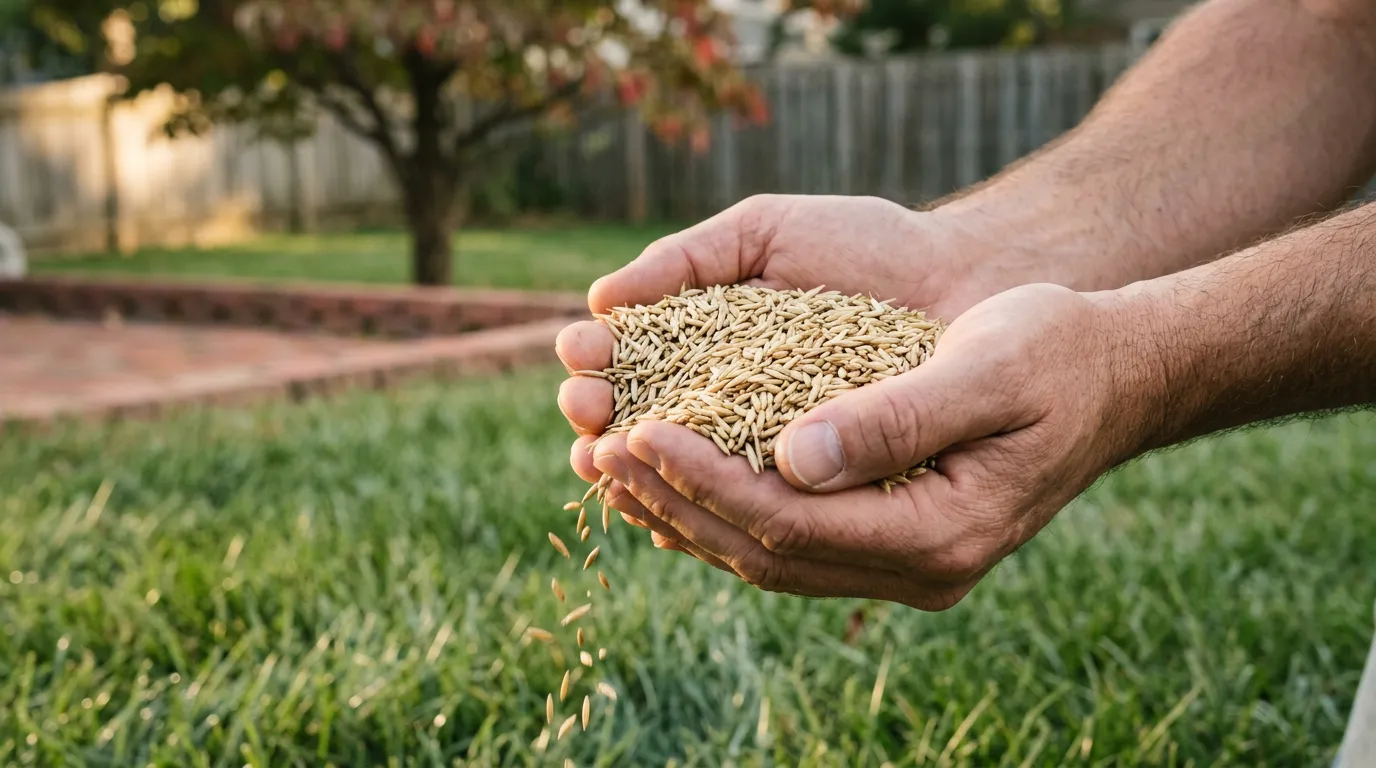
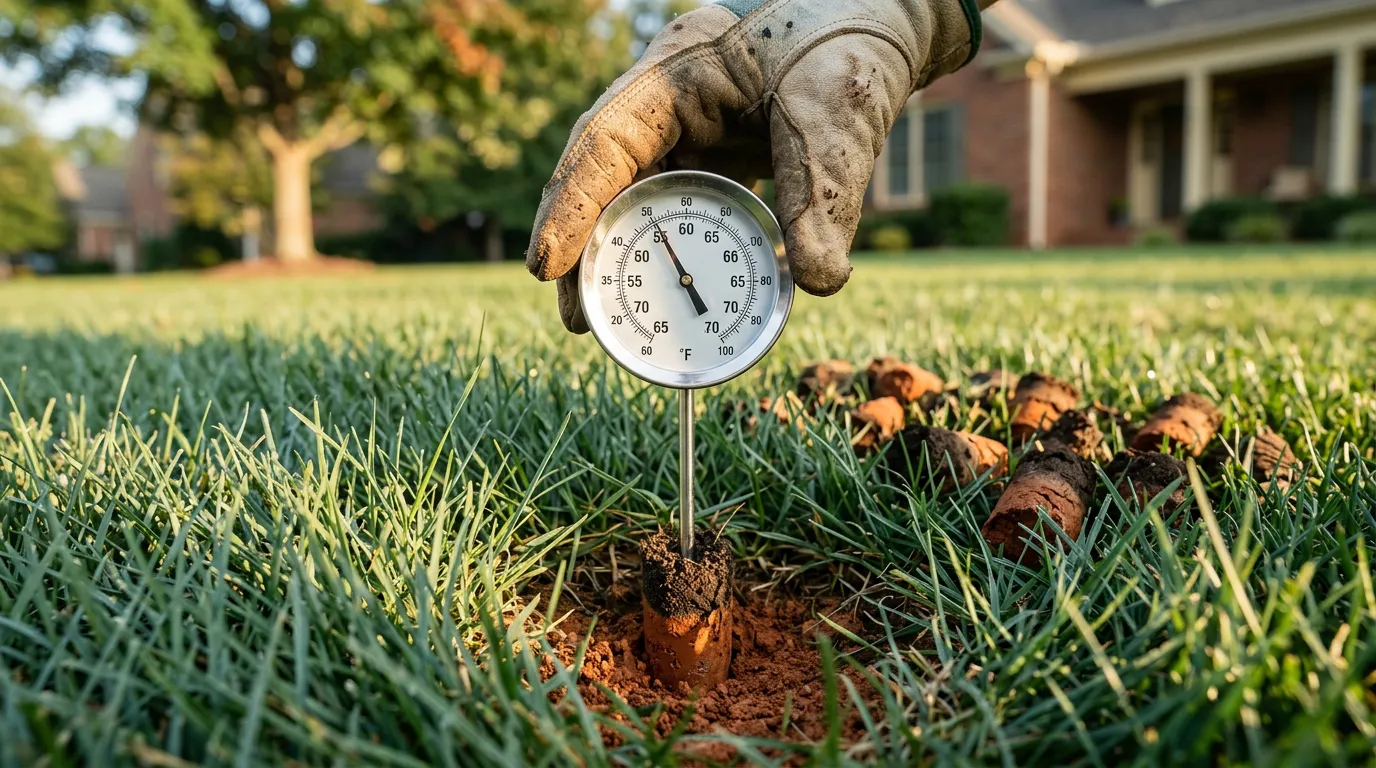
Spring and fall are the best times to seed, simply because fescue prefers the cooler temperatures at those times of year to the scorching heat of summer. It's also easier to keep newly seeded areas moist during the critical germination window after seeding when the weather is cooler. Generally speaking, most lawns will establish better when seeded in the fall rather than spring, particularly when reseeding large areas.
Larger areas are also harder to keep moist if days are getting progressively warmer instead of cooler. If summer temperatures arrive early, it's possible that large areas of the new seed will fail. Waiting until fall’s cooling temperatures is particularly important for large seeding projects if you do not have an irrigation system and must rely on hand watering and rainfall.
If you have a lot of weeds to control in your lawn, seeding in spring will prevent you from using the pre-emergent herbicides that are useful to reduce weed seed germination. Since there are few selective post-emergent herbicides that control weedy grasses (like crab grass and dallisgrass), it’s particularly important to use pre-emergents if annual weed grasses are your issue. The most effective window for applying pre-emergents conflicts with sowing grass seed in spring.
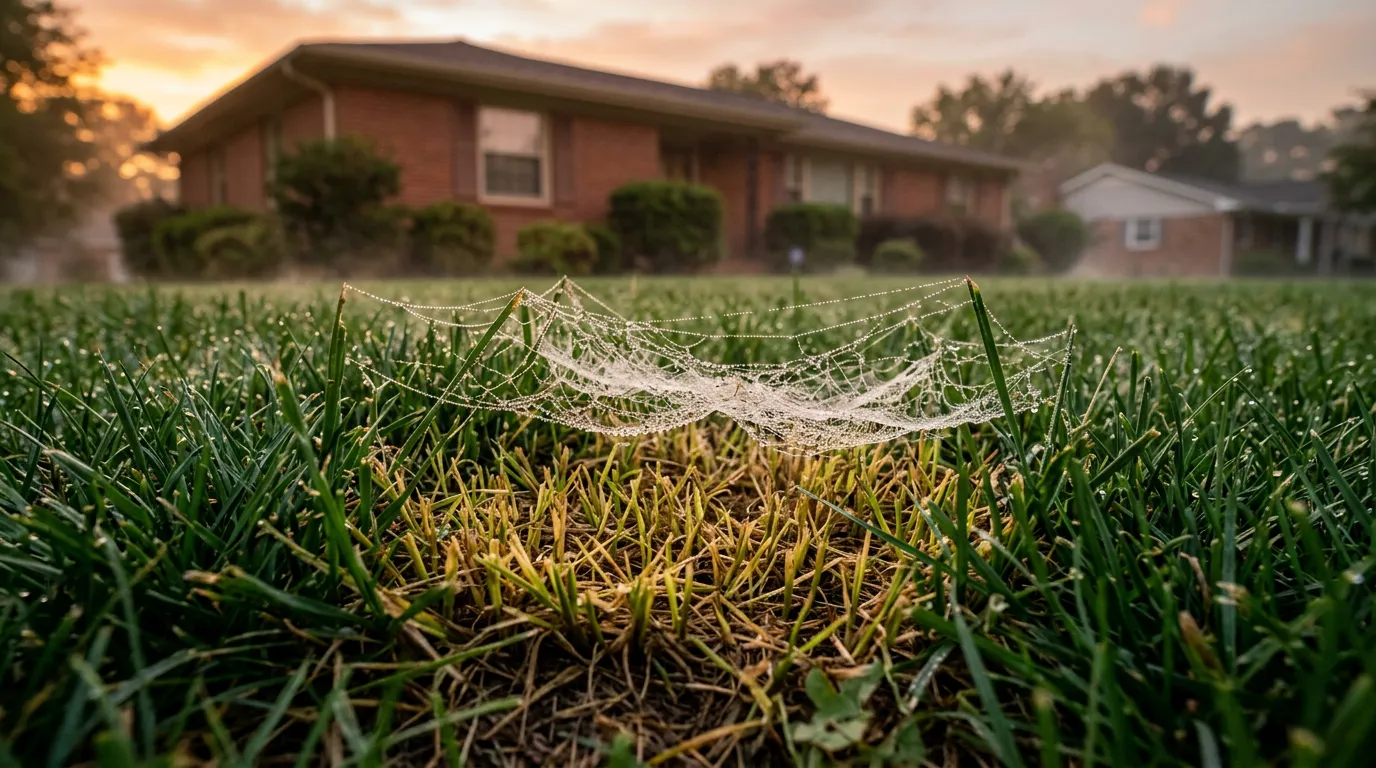
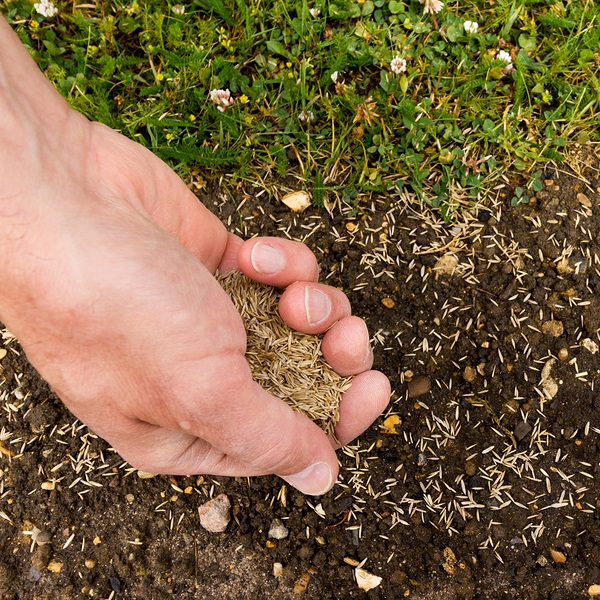
If you are looking to patch a few bare spots, you should be successful in either spring or fall. It is important that you do not use any pre-emergent herbicides in the area you want to patch before you seed as it will keep the grass seed from germinating. You should also wait until the new grass is mature enough to have been mowed three times before you use any other herbicides in the area.
Regardless of when you sow grass seed, it's important to keep the newly seeded area moist for the first few weeks by watering lightly every day, especially on those really warm, sunny spring or fall days.