3 Must-Know Facts About Centipede Grass

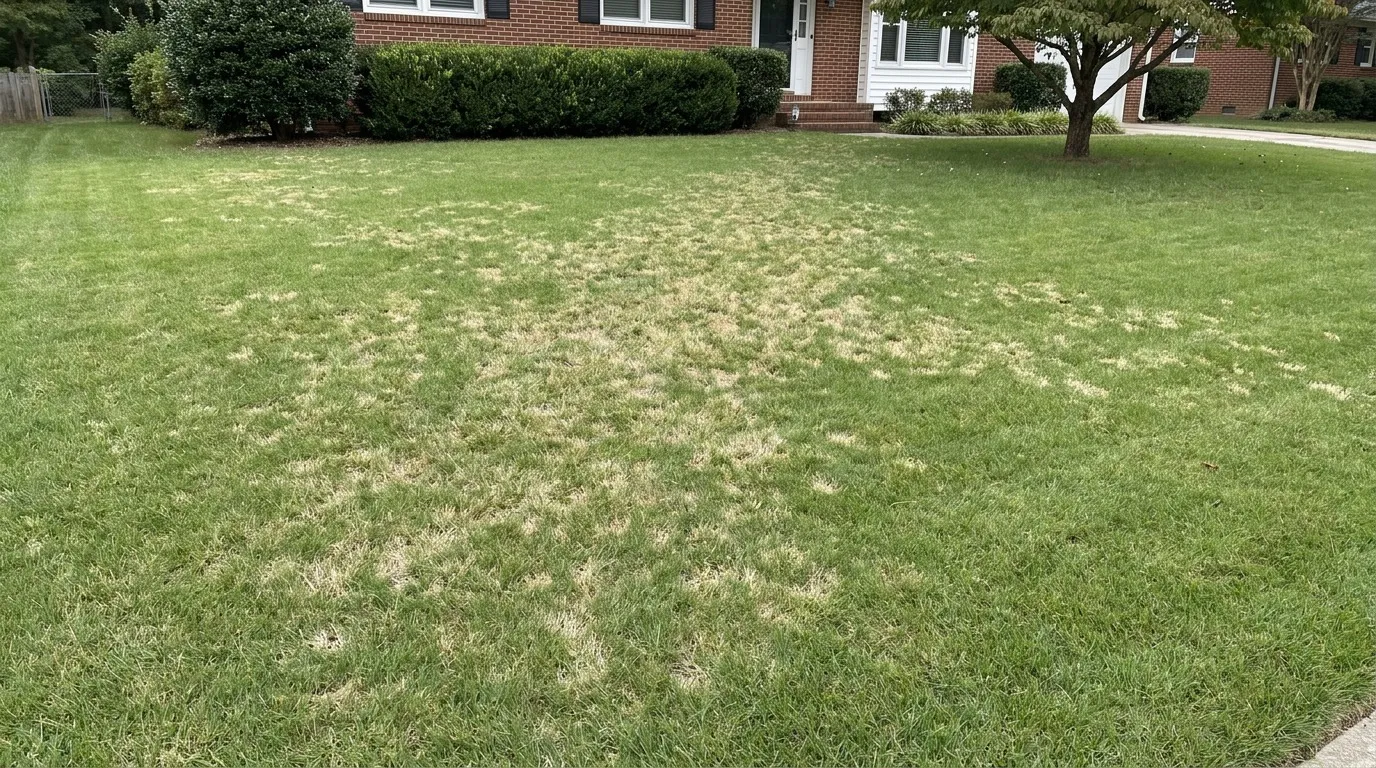
Centipede grass was first introduced in the United States in 1916. Originating from China, this grass is mostly found in the southeastern US and Hawaii. Unfortunately, centipede grass has a bad reputation as a weed because of its look and texture. Still, with proper lawn care, fertile soil, and optimal weather conditions, this grass can thrive. If you're struggling with your centipede grass, here are three facts Nature's Select Triangle wants you to know.
1. Warm Weather Is Required
For centipede grass to grow and thrive, warm weather is a must. That's why most homeowners don't see their lawns turn bright green until early to mid-summer. While this might sound like a downside, consider the fact that your centipede lawn is more likely to remain green even at the peak of summer. Because this grass species is more tolerant to high temperatures and is relatively low maintenance, it's a common go-to for people with busy lifestyles.
2. Quality Soil Not Necessary
Unlike other grasses, centipede grass can live and thrive in soil that's less than optimal. This type of blade is great for commercial properties or for residents whose property is sitting on more sand than dirt. Furthermore, centipede grass can grow in soil with a pH level as low as 4.5, and it is capable of remaining green all summer long.
3. Can Tolerate Sun or Shade
Some grasses won't grow in shady spots, while others can take the heat of the sun. Thankfully, centipede grass can thrive in either condition. While seedlings prefer the sun, planting this grass in partial shade or shady areas is still likely to yield results. However, you'll want to keep foot traffic in mind as centipede grass does not do well with constant activity. So, you might want to reconsider this type of grass if your entire lawn gets used by people or animals.
Lawn Care Done Right
When you work with Nature's Select Triangle, you get years of professional knowledge regarding lawn care, lawn diseases, lawn pests, and tree and shrub care. If you live in or around Chapel Hill, NC, and are struggling with growing your centipede grass, then give us a call. We pride ourselves on working with nature, not against it. Dial (919) 240-4239 today.