Nature's Select Logo
Home
Resources
Blogs
3 Surprising Facts About Voles
3 Surprising Facts About Voles

July 18, 2021
2 minutes read

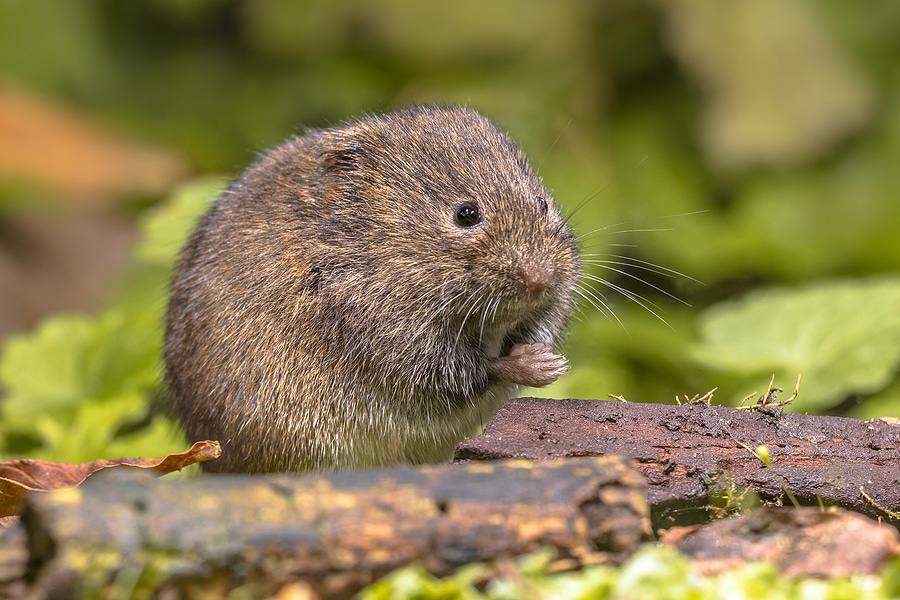
Voles are mouse-like rodents that spend most of their time underground. They are notorious for damaging growing bulbs, trees, turf, and plant roots. They tend to live in underground colonies, going undetected for months. Therefore, understanding vole behavior and diet is crucial for preventing their damage. Nature's Select Triangle has a team of experts who are ready to help control these lawn pests, and here are some surprising facts.

3 Surprising Facts About Voles

1. Voles Have a Short Lifespan

For such a tiny body, voles tend to do a lot of damage. Yet, what's even more surprising is that they do so in a short amount of time. In the wild, the average vole has a lifespan of just three to six months. So, from birth to adulthood, these rodents don't live long, which explains why they're in such a hurry to eat and breed. 

2. Voles Live in Colonies

As semifossorial rodents, voles can live in a wide range of habitats. However, they are most common here in North America and live in complex underground colonies. Generally speaking, a vole colony is no bigger than a quarter of an acre, but can be larger in areas with few natural predators. 

3. Voles Reproduce Rapidly

If you feel like your vole problem just won't go away, you're not wrong! Female voles reach maturity in just 35 days and will have 5-10 litters in less than a year. Each litter usually has about three to six pups, making it extremely difficult to control their population. Trapping and getting rid of a vole colony often requires expert help because of how quickly they reproduce. 

Control Lawn Pests

Are grubs, insects, and rodents taking over your lawn? Then it's time to call Nature's Select Triangle. We understand how much time and effort you've put into manicuring your lawn and how quickly pests can destroy it. We also treat lawn diseases, tree diseases, and boxwood diseases throughout Chapel Hill and Durham, NC. So, give us a call today at (919) 240-4239.

NS Plant White Icon

Join a proven brand with a simple, effective process.

Explore Franchise Opportunities

More Articles

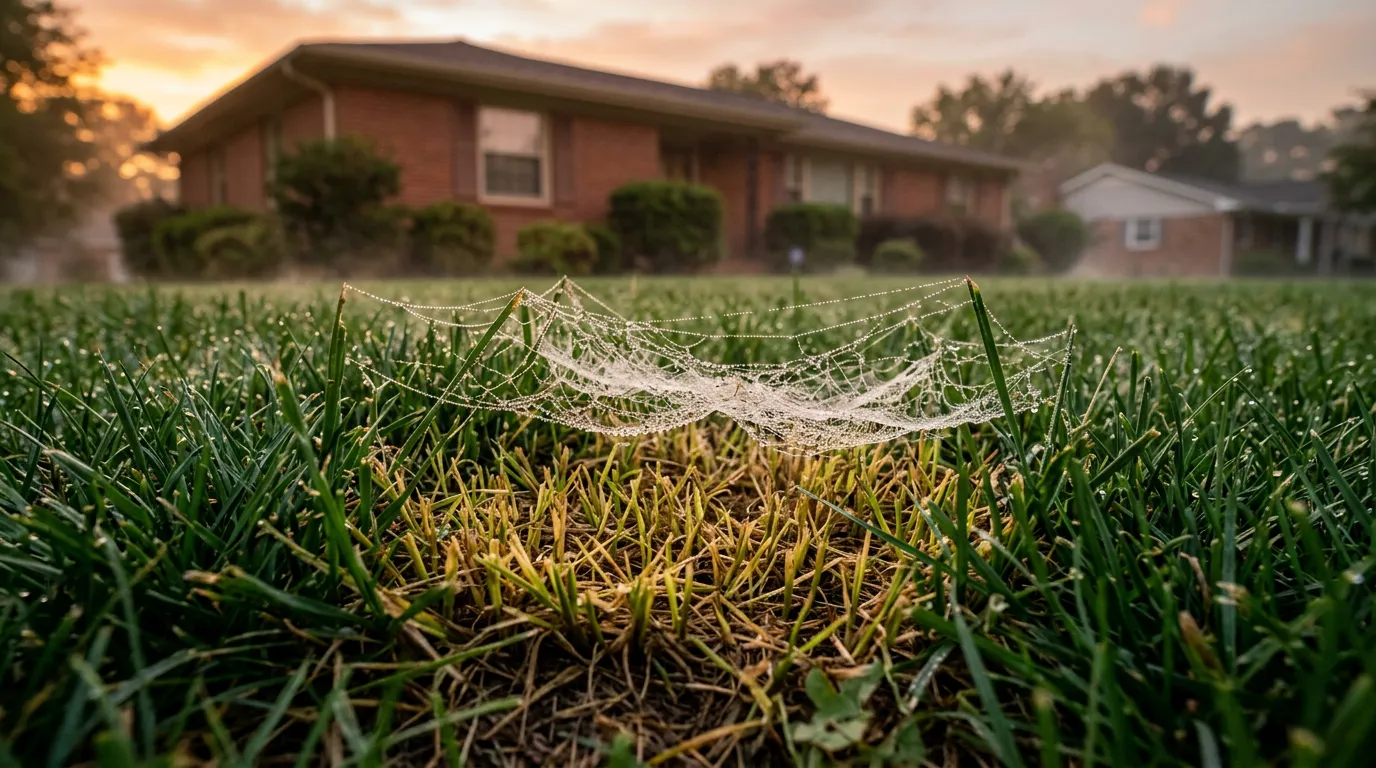
Sod webworm silk webbing shimmering in dawn dew across a tall fescue lawn in central North Carolina during August peak damage window
Sod webworms are caterpillars of small light-brown moths (Crambus and Parapediasia species) that feed on tall fescue and warm-season turf at night from July through August across North Carolina, cutting grass blades at the thatch line and dragging them into silk-lined tunnels. The tells are dawn silk webbing shimmering in the dew, dusk zig-zag moth […]
August 12, 2026
14 minutes read
Read article →
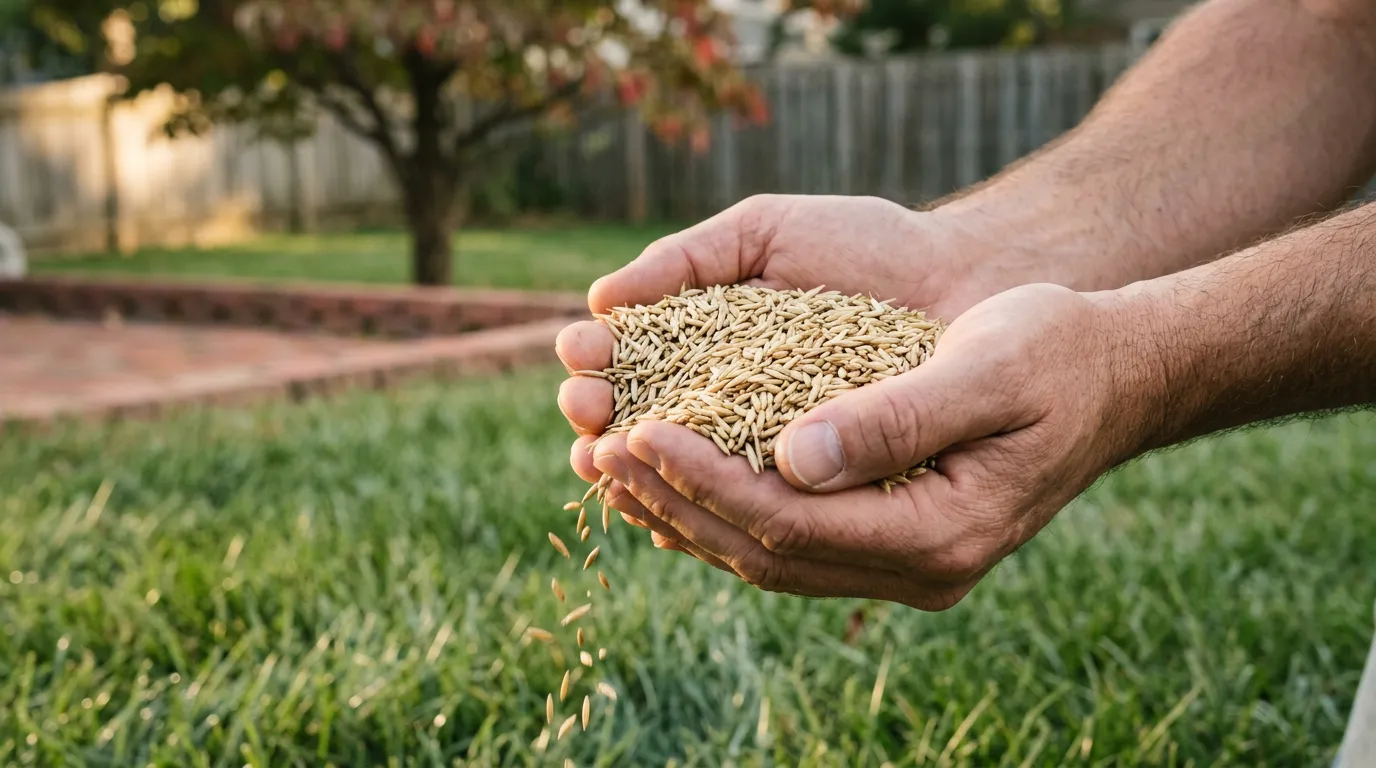
Homeowner's hands cupping turf-type tall fescue seed above green lawn showing overseeding rate for North Carolina fescue.
For most North Carolina tall fescue lawns, plan on 3 to 4 pounds of seed per 1,000 square feet for a routine fall overseed, 5 to 6 pounds for a moderately thin lawn, and 8 to 10 pounds when you are renovating bare or badly damaged turf. That range comes from NC State Extension research, […]
August 9, 2026
7 minutes read
Read article →
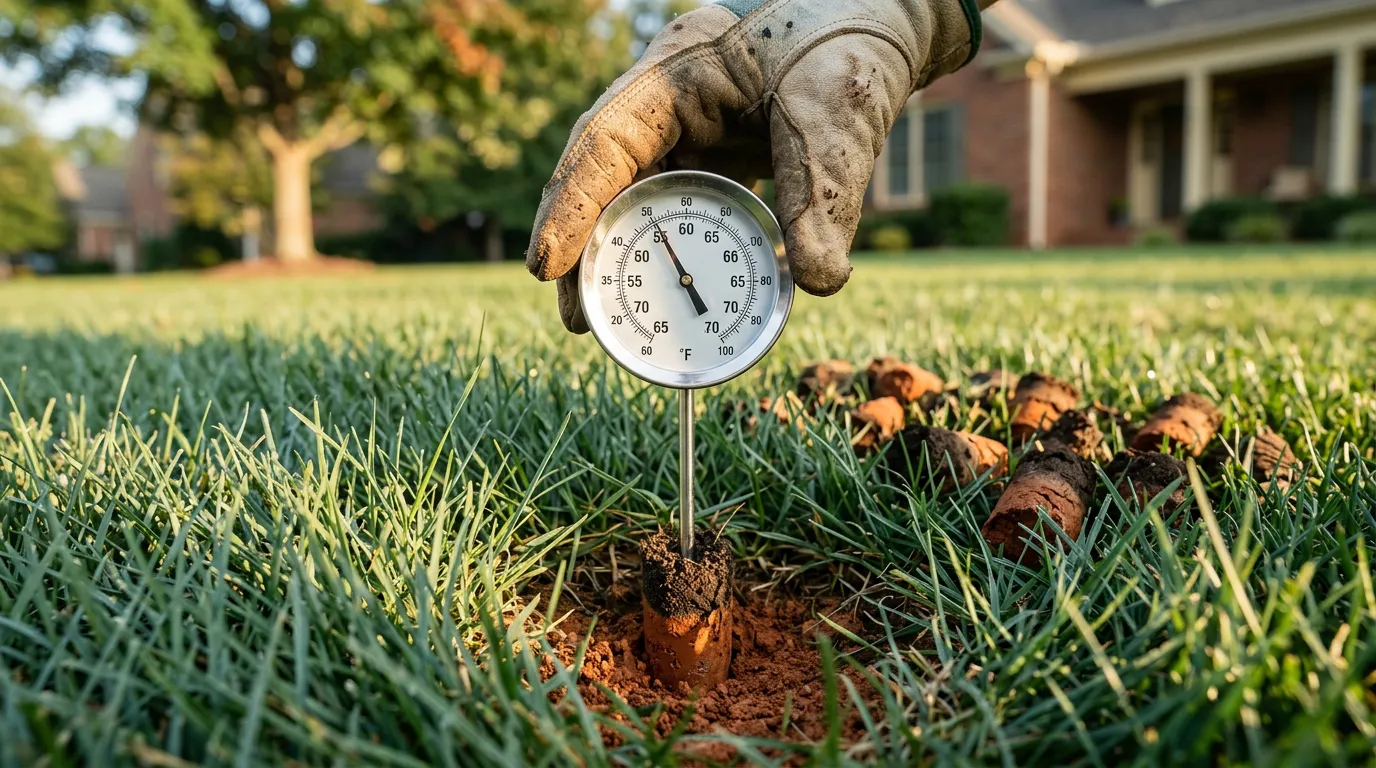
Soil thermometer reading four-inch depth in a tall fescue lawn in central North Carolina during the fall aeration window with early-morning autumn light.
The best time to aerate a lawn in North Carolina is when soil temperature at four inches sits between 65 and 75 degrees Fahrenheit. For tall fescue in the Triad and Triangle, the ideal time to aerate and overseed falls between mid-September and early October and lasts roughly three weeks. For bermuda and zoysia in […]
August 6, 2026
14 minutes read
Read article →

Ready for a Free On-Property Assessment?

Same-day estimate. 30+ years of biological methodology. Nature's Select® Guarantee. Local franchises, one team.
homeuserphone-handsetcalendar-fullcrossmenulist Skip to content