WHAT TO DO NOW FOR A PRETTIER SUMMER LAWN
Tired of looking out over a patchy, weedy, not-very-green lawn all winter? Dreading the thought of looking at the same problems all summer too? The key to a great lawn in summer is to start on lawn care now before grass growth begins with warmer weather.
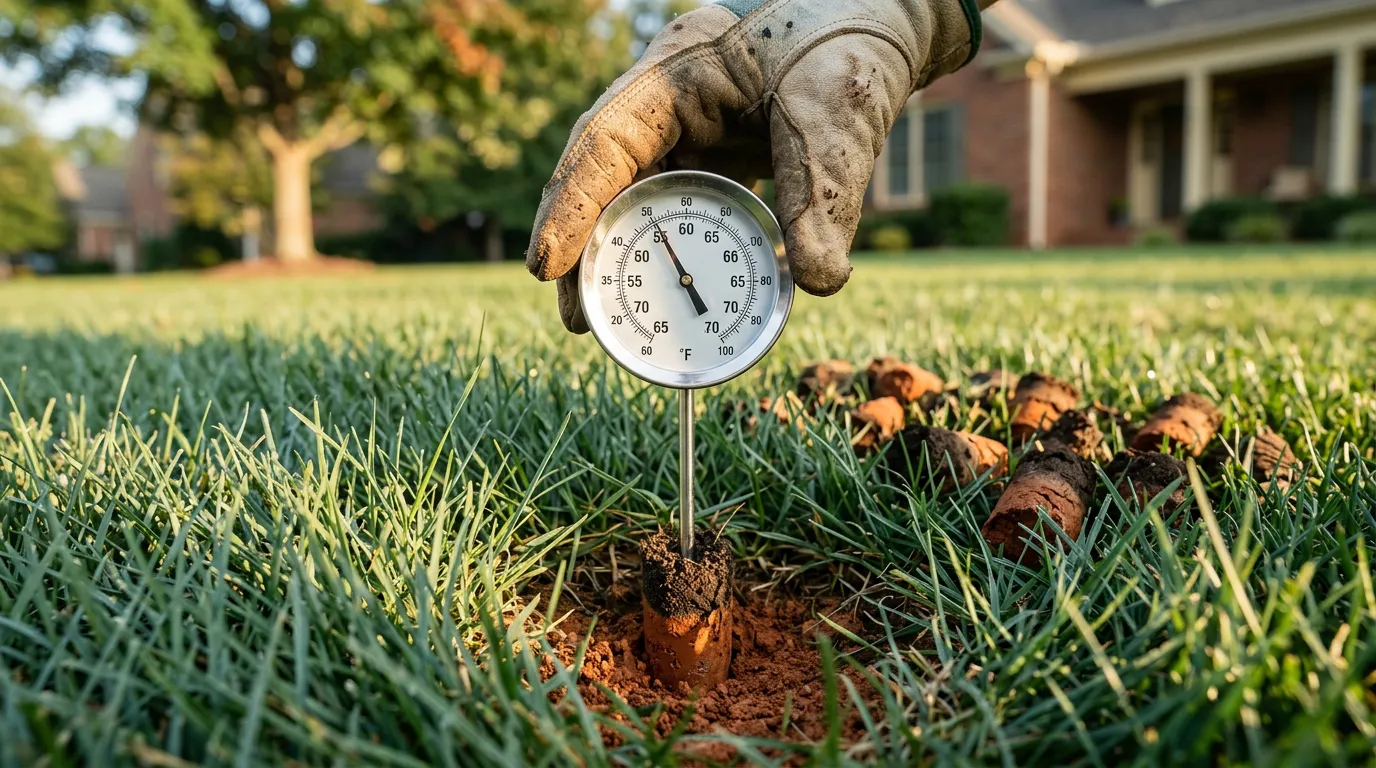
A soil test is the best way to get started. It’s a good idea to test the soil at least every two or three years for established lawns. You can find basic home soil testing kits at many garden centers that will tell you pH (how acidic your soil is).
If you suspect nutrient imbalances, more advanced testing can reveal specific nutrient deficiencies or excesses. Ask at your local garden center or check your local county extension office for information on testing services, many are free or low-cost and come with recommendations for correcting any problems discovered.
Most soils in the Piedmont are acidic, so lime application is almost always beneficial for cool-season grasses, which need a nearly neutral pH of 6.5 to 7.0 to adequately take up available nutrients. A basic rate is 40 lbs. per 1000 sq. ft.
Lime is made available in the soil very slowly, so unlike applications of fertilizer or iron, results will be apparent over time rather than in a few days. Also unlike fertilizers, lime can safely be applied at any time of year.
(If you have a centipedegrass lawn don’t apply lime without a soil test as it prefers a more acidic pH of 5.5.)
Cool-season grasses (Kentucky bluegrass and fescues) should be fertilized in February around Valentine's Day at 1 pound of Nitrogen per 1000 sq. feet, with an additional application before March 15 if testing indicates higher fertility levels are needed. Slow release formulations will avoid a surge of growth that will require more mowing. By their nature, organics are slow-release fertilizers and feed your lawn more steadily.
Warm-season grasses (Bermudagrass, centipedegrass and zoysia) should not be fertilized until the warmer months when they have turned green and are actively growing (usually April). Fertilizer application for warm-season grasses is every other month for average soils, and monthly if your soil tests indicate soil fertility is low. Fertilizer application to warm-season grasses during colder months can result in cold damage.
Keeping weeds out of the lawn also starts now-you don’t want to fall behind for the season as prevention is easier than managing weeds later. Applying a pre-emergent herbicide between February and April will stop crabgrass and many other weeds from making an appearance this spring.
Pre-emergent can be applied at the same time as lawn fertilizer, or you can find it as a time-saving combo product that contains both fertilizer and pre-emergent. For those who prefer organic approaches, corn gluten meal-based preemergents can be an effective weed preventer when used exactly as directed and if rainfall cooperates.
You do have other options when your plans for a beautiful lawn exceed your available time (or desire) to do lawn maintenance. Using our Select lawn care programs means you don’t have to worry about the right time or choosing the right product to apply to have a beautiful, healthy lawn.
Whether you’re a “do it yourself-er” or prefer to have someone else care for your lawn, maintenance care now can pay off in a beautiful lawn for you to enjoy this summer.