THE LIVING SOIL, PART 1: MICROORGANISMS
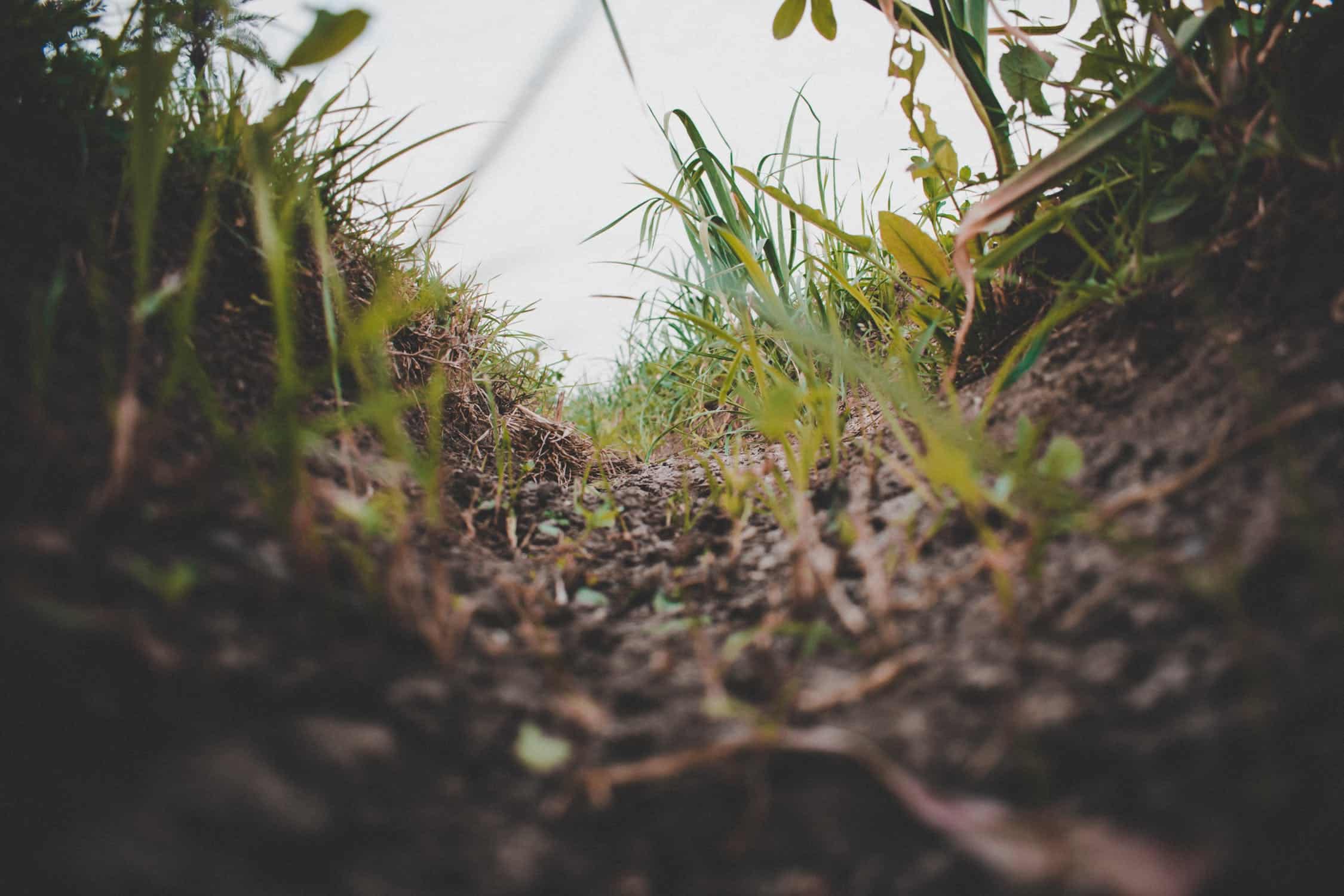
The founding theory of the Select Program is that “Healthy Soil creates a Healthy Lawn”. But what is “healthy soil”? Let's look at the factors that go into producing a healthy soil that benefits your grass and lets nature feed and protect your lawn.
MICROORGANISMS: A WORLD BENEATH YOUR FEET!
Healthy soil is alive. It has distinct properties that are plain even without lab tests. It is dark in color, crumbly in texture, and smells pleasant and “earthy”. If your soil does not have these three characteristics, it is probably not as healthy as it can be.
The most important and least appreciated aspect of healthy, living soil are the microorganisms in it. The bacteria, actinomycetes, fungi, algae, protozoa, and nematodes that live in the soil are microscopic and invisible to the naked eye. Invisible or not, they are present in astonishing numbers-a teaspoon of soil contains more microorganisms than there are people on the planet.
Soil microorganisms break down organic matter into compounds that feed plants and animals. This organic matter is a valuable component of a healthy soil. Organic material is particularly valuable in improving the qualities of our very heavy clay-content soils.
Not only do they break down organic material as they consume it, but when they die their remains become part of the organic material in the soil. So soil microorganisms are not only responsible for soil nutrients but to some extent the soil itself. Soil microorganisms also produce a sticky substance that “glues” soil particles together to improve soil’s texture and water permeability.
Soil that is biologically active with a healthy balance of microorganisms will use and recycle nutrients. Unbalanced soils will be less efficient in recycling and need the constant application of high levels of fertilizer, particularly nitrogen, to keep grass green and looking healthy.
A healthy and diverse population of soil microorganisms also protects plants from fungal and bacterial diseases. Some naturally-occurring bacteria and fungi produce antibiotics that kill pathogens, while competition for resources in a healthy, well-populated soil keeps levels of “bad” bacteria and fungi low, preventing diseases from taking hold.
The Select program works with nature and the living soil. Our blend of organic materials, biologically-derived components and micronutrients continuously feed soil microorganisms and provide some of the key raw materials needed to encourage a healthy, thriving microorganism community. Over time this creates a layer of rich, dark soil that becomes increasingly more sustainable. This helps to create a lawn that is beautiful, thick, and green; it also has enhanced drought tolerance, is slower to go into dormancy, and quicker to green-up in the spring.