Nature's Select Logo
Home
Resources
Blogs
3 Benefits of Centipede Grass

3 Benefits of Centipede Grass

January 31, 2022
2 minutes read

Centipede grass, sometimes called "poor man's grass," is a great option for any buy homeowner in the Piedmont area. While it does rely on very specific soil and landscape conditions, there are plenty of benefits to this type of lawn. So, let's take a look at some of those benefits before you call Nature's Select Piedmont for lawn care.

3 Benefits of Centipede Grass

1. Low Maintenance

Centipede grass is a slow-growing species, which means it's perfect for homeowners who don't want to fuss with frequent mowing. It also doesn't need as much fertilizer, and it can even tolerate soils with too much nitrogen. Furthermore, this type of grass can grow well in acidic soils with pH balances between 4.5 to 6.5.

2. Tolerates Droughts

The root system of centipede grass doesn't require as much water as the other grasses. In fact, during seasons of extreme heat or if and when you fail to water it as you should, this grass will go dormant. While it does turn brown, a quick watering will revive these blades in no time.

3. Can Grow in the Shade

Many homeowners struggle to get other grasses to grow in shady lawns. Then they turn to centipede grass since it grows nicely in moderately shady areas. But, like other grasses, it does prefer full sun. Still, if you're looking for grass that you won't have to worry about growing under that shade tree, centipede grass is it.

Biological Care for Your Lawn

Here at Nature's Select, we believe that the health of your lawn begins below the surface. Our team of professionals works with all types of grasses, including centipede, Bermuda, and zoysia grasses. Additionally, we proudly offer our services to homeowners throughout Piedmont, NC. So, if you need lawn care, tree and shrub care, or aeration and seeding, get your free estimate online or call us at (336) 544-4554 today.

NS Plant White Icon

Join a proven brand with a simple, effective process.

Explore Franchise Opportunities

More Articles

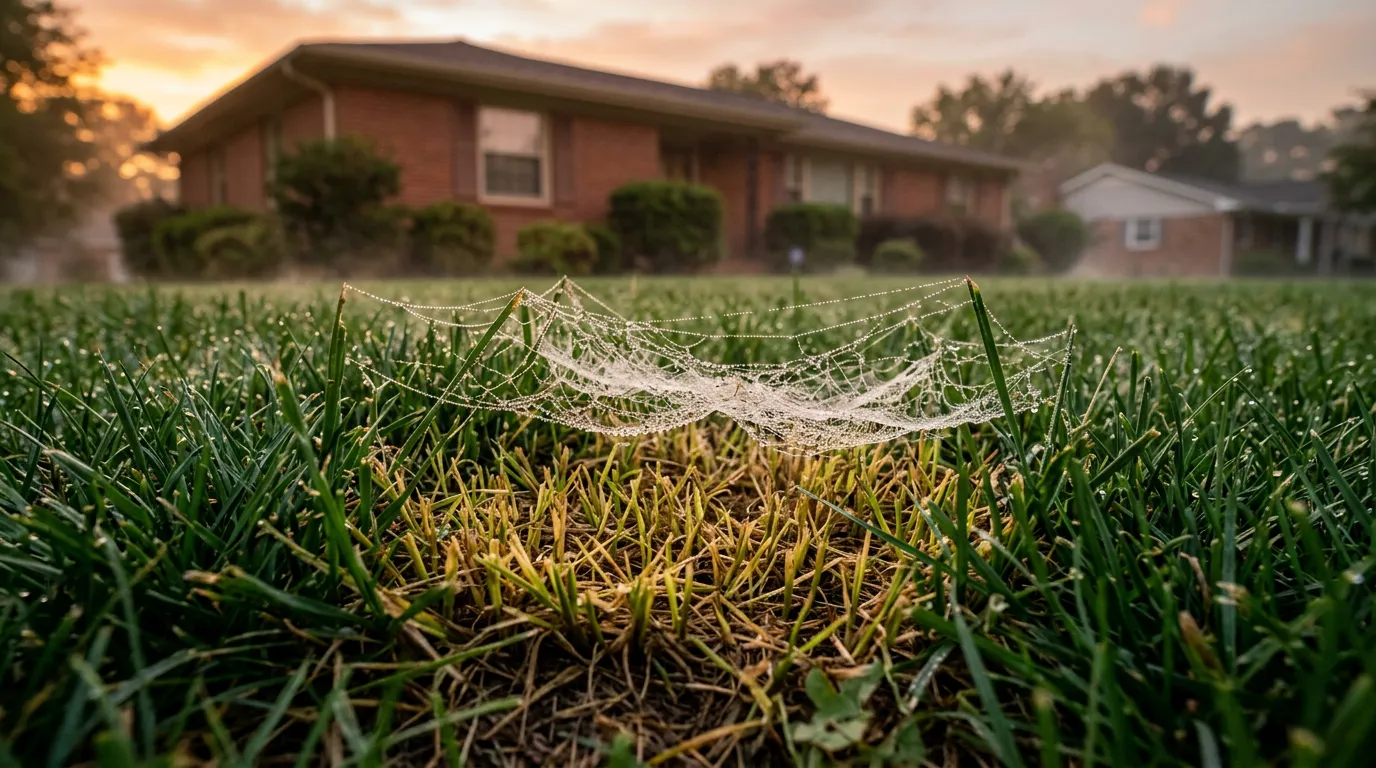
Sod webworm silk webbing shimmering in dawn dew across a tall fescue lawn in central North Carolina during August peak damage window
Sod webworms are caterpillars of small light-brown moths (Crambus and Parapediasia species) that feed on tall fescue and warm-season turf at night from July through August across North Carolina, cutting grass blades at the thatch line and dragging them into silk-lined tunnels. The tells are dawn silk webbing shimmering in the dew, dusk zig-zag moth […]
August 12, 2026
14 minutes read
Read article →
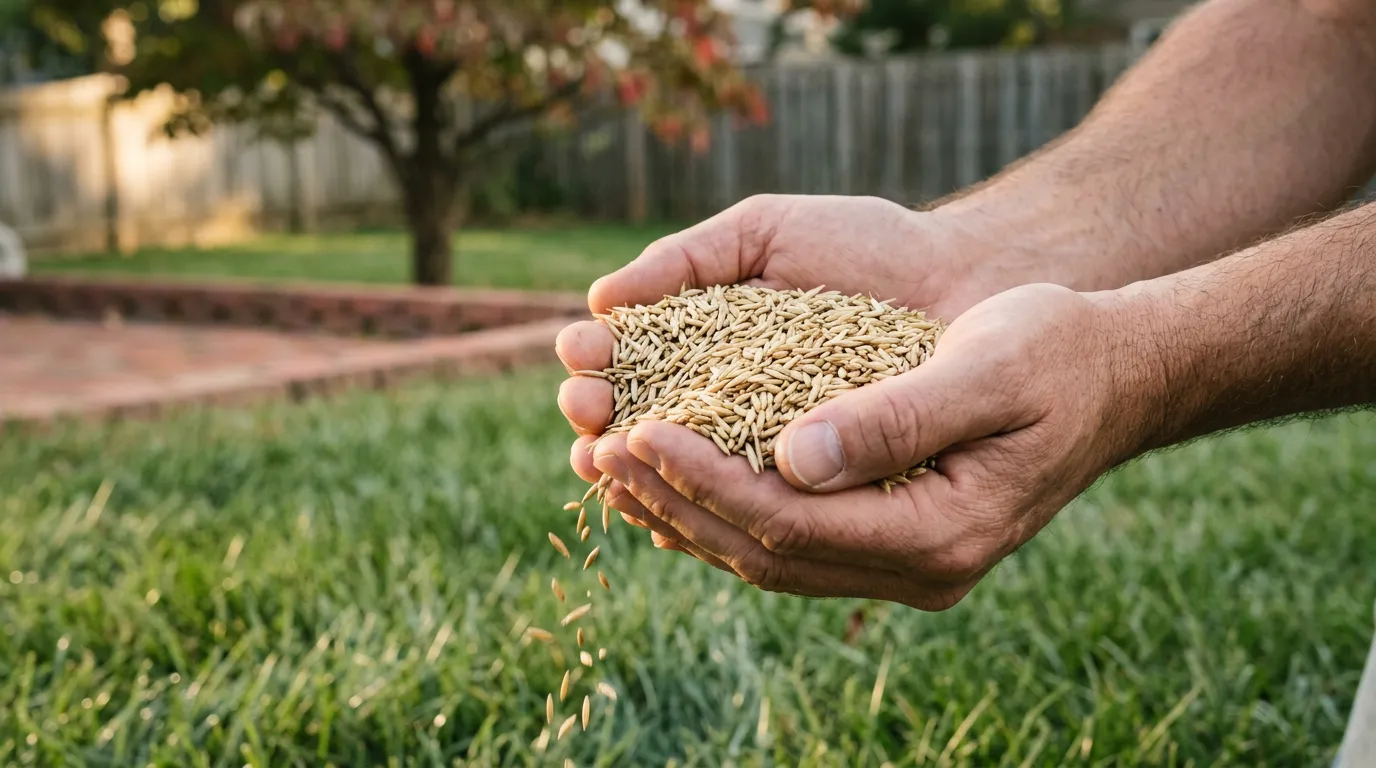
Homeowner's hands cupping turf-type tall fescue seed above green lawn showing overseeding rate for North Carolina fescue.
For most North Carolina tall fescue lawns, plan on 3 to 4 pounds of seed per 1,000 square feet for a routine fall overseed, 5 to 6 pounds for a moderately thin lawn, and 8 to 10 pounds when you are renovating bare or badly damaged turf. That range comes from NC State Extension research, […]
August 9, 2026
7 minutes read
Read article →
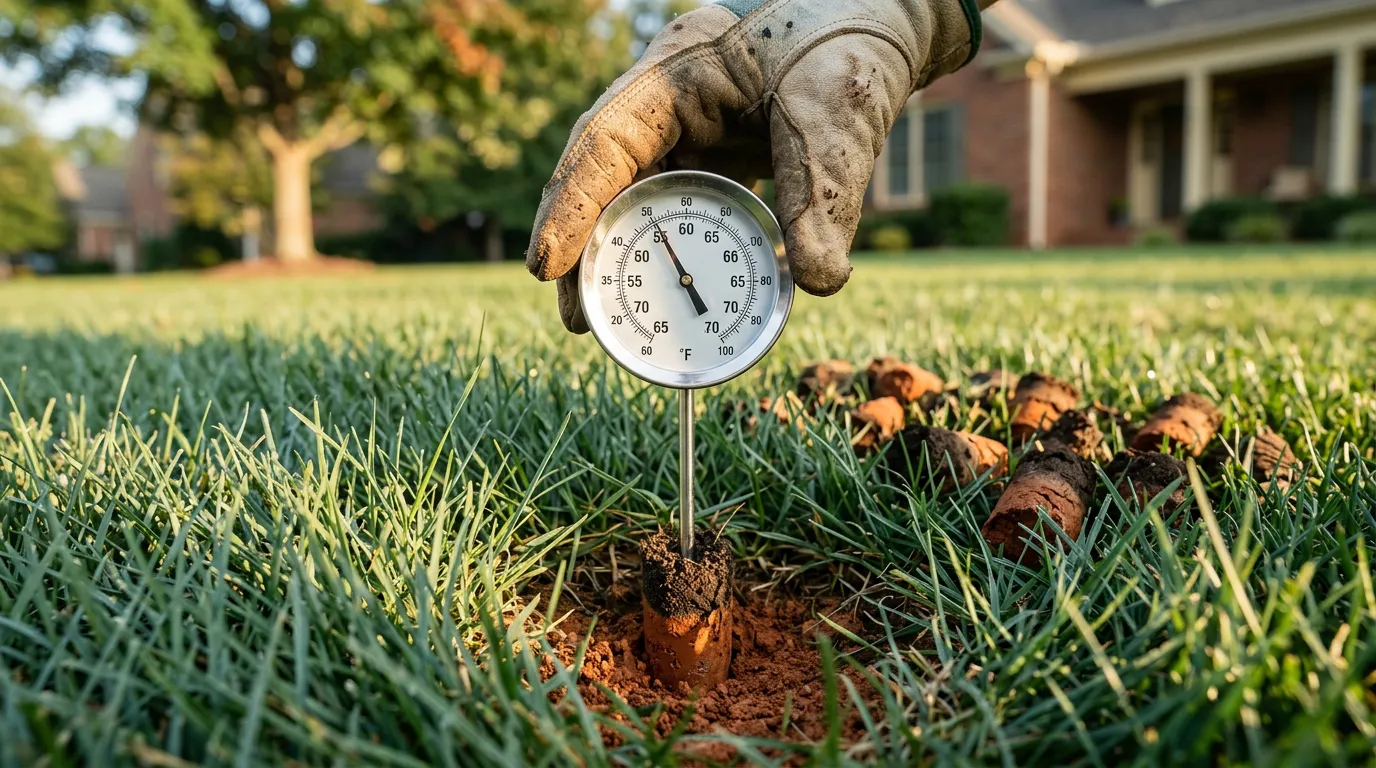
Soil thermometer reading four-inch depth in a tall fescue lawn in central North Carolina during the fall aeration window with early-morning autumn light.
The best time to aerate a lawn in North Carolina is when soil temperature at four inches sits between 65 and 75 degrees Fahrenheit. For tall fescue in the Triad and Triangle, the ideal time to aerate and overseed falls between mid-September and early October and lasts roughly three weeks. For bermuda and zoysia in […]
August 6, 2026
14 minutes read
Read article →

Ready for a Free On-Property Assessment?

Same-day estimate. 30+ years of biological methodology. Nature's Select® Guarantee. Local franchises, one team.
homeuserphone-handsetcalendar-fullcrossmenulist Skip to content