How Often Should I Be Mowing the Lawn?

Mowing the lawn is an important aspect of lawn care. But how often should you be mowing the lawn? And what height should you keep the grass? These are just a few of the questions we get from residents looking for expert lawn care. While mowing is often an enjoyable exercise, doing it wrong can lead you to pick up the phone and call Nature's Select Piedmont to restore your yard. So, before it gets that far, make sure you follow these tips for a happy, healthy lawn.
What's the importance of mowing the lawn?
There are several important reasons why mowing the lawn is essential. First of all, regular mowing helps keep the grass healthy by preventing it from getting too long and leggy. Secondly, mowing encourages the grass to produce new growth, which helps to fill in any thin or bare patches. Finally, mowing helps to prevent the spread of weeds.
How often should I mow?
The answer? It all depends. First, consider the type of grass you have. Different types of grass have different growth rates, so you'll need to mow more frequently if you have a fast-growing variety. Second, take into account the time of year. During the spring and summer, grass grows more quickly than in the fall and winter, so you may need to mow more often during these months. Finally, think about your personal preferences. Some people like a well-manicured lawn, while others are content with letting the grass grow a bit longer. Regardless of your preference, be sure to mow regularly to keep your lawn looking its best.
How tall is too tall?
In general, it's best to keep grass between two and four inches tall. If the grass is too short, it will be more susceptible to damage from heat, foot traffic, and pests. However, if the grass is allowed to grow too tall, it will be more difficult to mow and can provide a hiding place for garden pests and weeds. In addition, taller grass will require more water and fertilizer to stay healthy. As a result, it is important to find a balance that works for your lawn. With a little trial and error, you will be able to find the perfect height for your grass.
Can Nature's Select help me out?
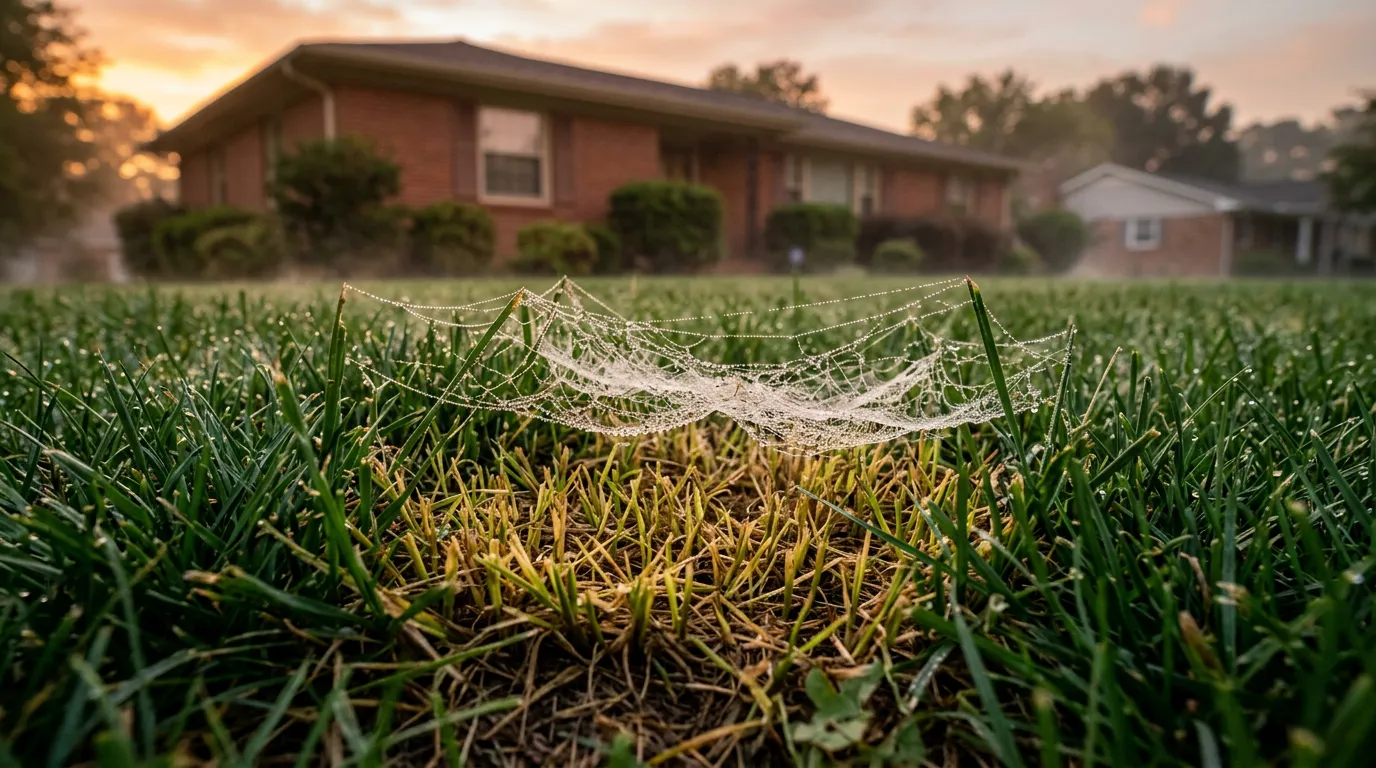
Mowing the lawn is one of the few chores we leave up to homeowners. However, if you're struggling with bare patches, lawn pests, and weeds, you can count on us! The Nature's Select Piedmont team is here to serve you and work with the natural biology of your lawn. We can help restore it, bringing to life new grass growth for a healthy, green landscape. So, if you live in Greensboro, NC, or the surrounding area, give us a call today at (336) 544-4554 for a free estimate