5 Troublesome Trees That's Aren't Worth It
Trees have a lot to offer your property. They're often shady and can provide a canopy of privacy. However, not all trees are the same, nor are they worth the upkeep and maintenance. Some trees are just too troublesome and end up causing more problems than they're worth. While Nature's Select® Lawn Care can help nurture any tree, these are just a handful of our least favorites.
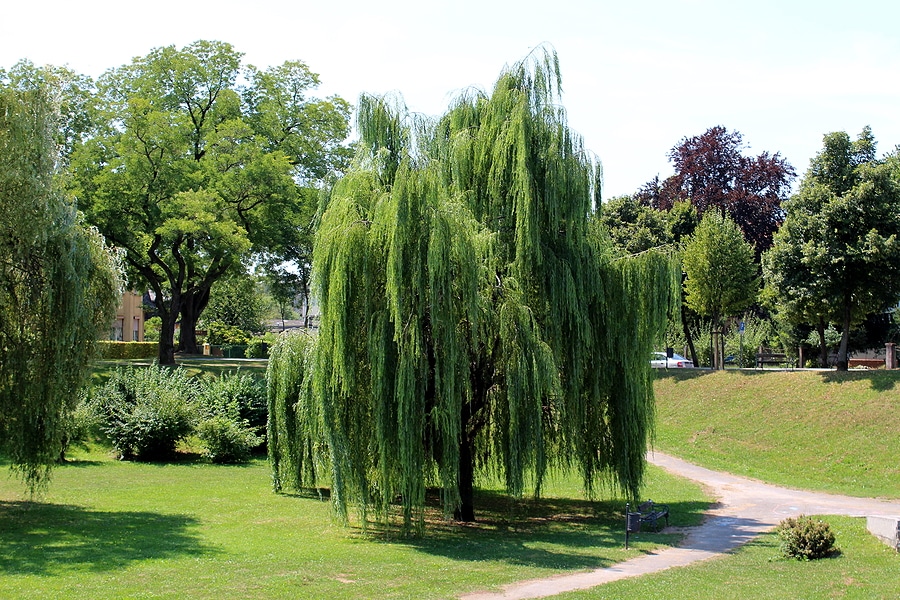
1. Weeping Willow
Weeping willows are large trees with long, drooping branches that can reach up to 60 feet in length. They are fast-growing trees that can quickly become too large for their location, turning them into troublesome trees. In addition, their roots are aggressive and can damage sewer lines and retaining walls. Furthermore, their branches are brittle and can fall during storms, causing damage to property and injury to people.
2. Female Ginkgo
Female Ginkgo trees are troublesome for several reasons. For one, they produce large quantities of fruit, which can create a mess on sidewalks and driveways. The fruit also emits a foul odor, making it unwelcome in many neighborhoods. In addition, the trees are notorious for dropping their leaves unexpectedly, which can create problems for people with allergies. Finally, the roots of female Ginkgo trees are aggressive and can damage sidewalks and foundations.
3. Bradford Pear
The Bradford pear is one of the most troublesome trees out there. It's a fast-growing tree and an invasive species that crowds out native plants. Furthermore, it has a weak branch structure that makes it susceptible to breakage in high winds. Finally, its fruit is poisonous to animals and humans, making it our least favorite for this reason.
4. Black Walnut
While they may be beautiful, black walnut trees can be troublesome for both people and pets. The tree produces a substance called juglone, which is toxic to many plants, including tomatoes, potatoes, eggplants, and azaleas. Juglone can also cause skin irritation in humans and is poisonous to animals if consumed in large quantities. In addition, the tree's roots are aggressive and can easily damage sidewalks, driveways, and foundations. As a result, black walnut trees can pose a severe problem for homeowners.
5. White Pine
Many homeowners love the look of majestic white pines in their yards. However, these troublesome trees can quickly become a nuisance. White pines are fast-growing and have shallow roots that easily break through the ground. This can cause problems for sidewalks, driveways, and foundations. In addition, the branches of white pines are weak and prone to breaking. They also drop a lot of needles, which can be a pain to clean up.
Avoid Troublesome Trees and Troublesome Pests
When choosing the right trees and shrubs for your lawn, it's important to look for species that won't become a problem. Some troublesome trees attract more pests and diseases more easily than others, so make sure you do research before planting. If you need any help with your tree or shrub care in Pinehurst, NC, call Nature's Select® Lawn Care at (910) 757-0359 for a free estimate today!