Spotting the Early Signs of Grubs
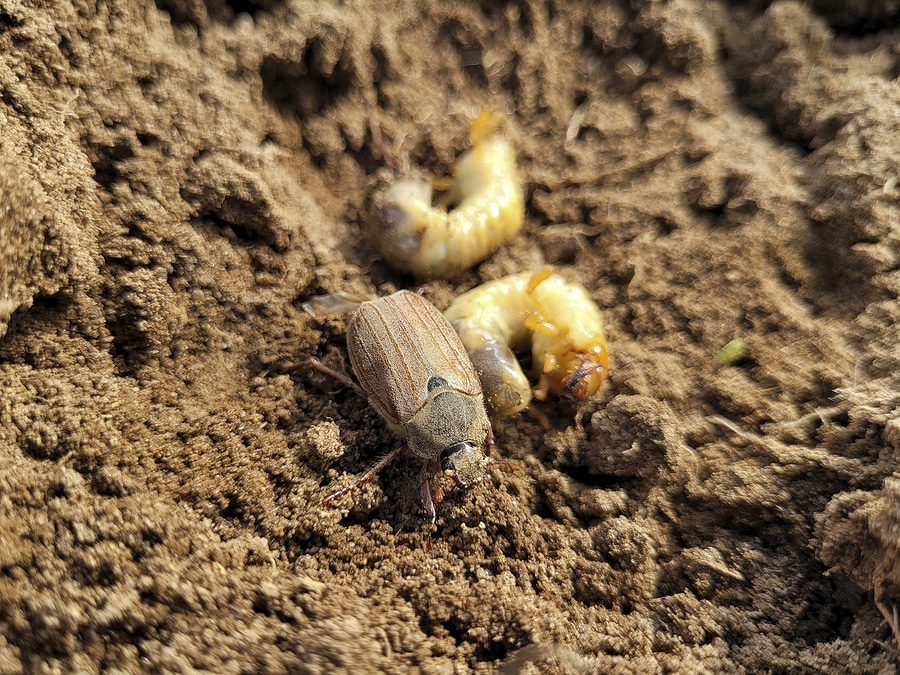
Grubs are an unwelcome sight on any lawn, and the best way to get rid of them is to act quickly. That's why it's important for homeowners to know the early signs that grubs are present. Here at Nature's Select Triangle, we know that not everyone has a trained eye. So, we're dropping some big hints about how you can spot the early signs of grubs.
Wilting Grass
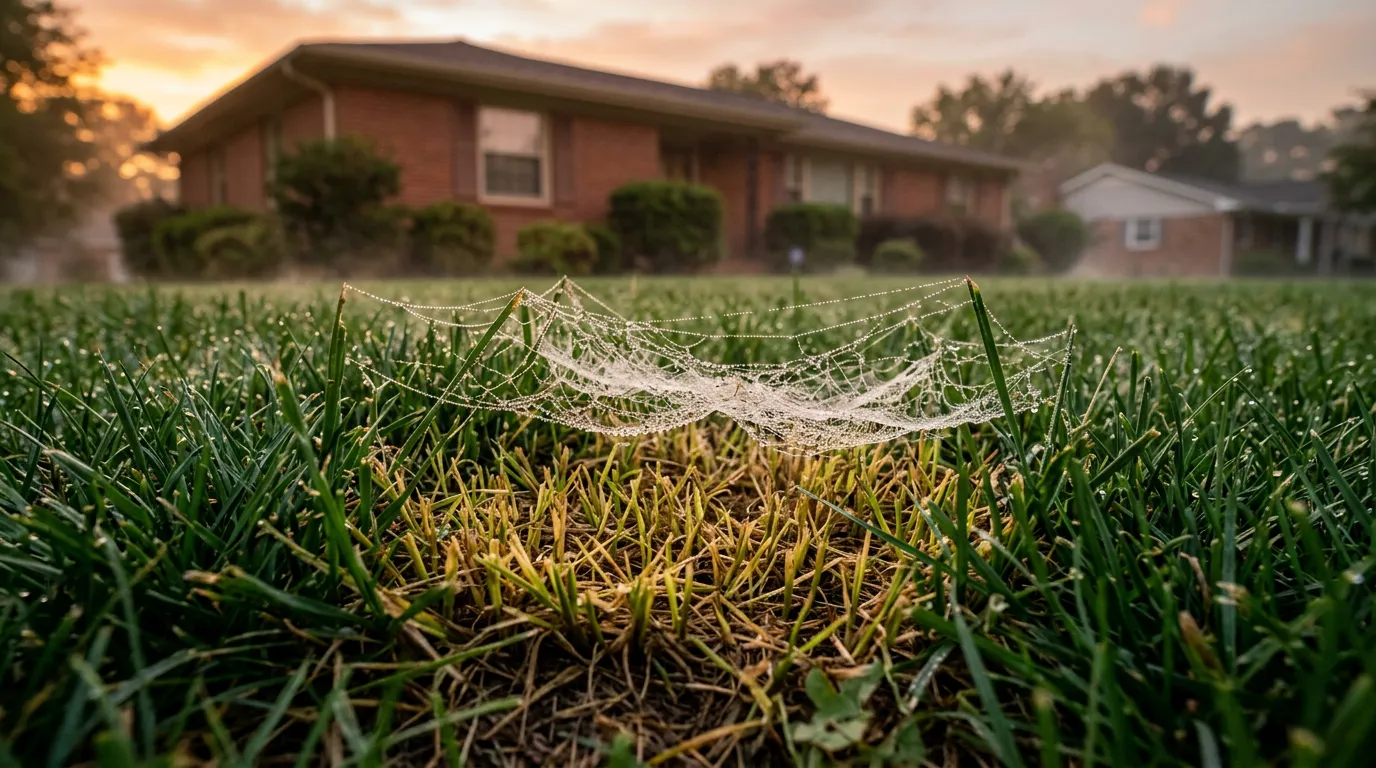
One of the earliest signs of a grub infestation is wilting grass. If you notice patches of grass that appear dry and yellow even after you've watered them properly, there's a good chance you have grubs. To confirm, pull back a patch of grass and inspect the soil below for grub larvae. No matter the species, you'll want to get them taken care of right away.
Small Animals Visiting Your Lawn
Another sign that you may have an issue with grubs is an increase in small animals, such as skunks or raccoons, visiting your lawn at night. These nocturnal creatures love grubs and are attracted to their smell. So, if your lawn has grubs, you'll likely see more of these critters.
Grass Pulls Away From the Soil
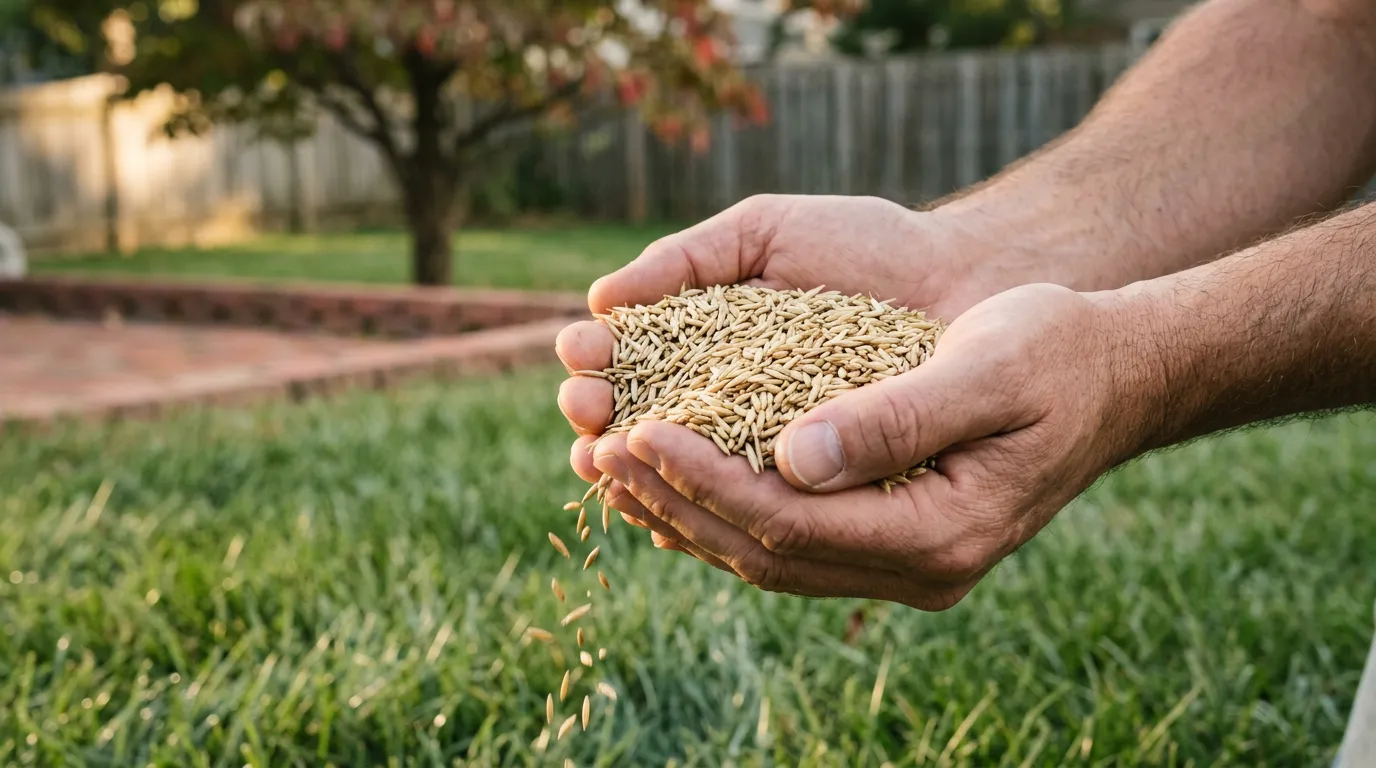
If you pull up a patch of grass and find that it comes away from the soil easily and without resistance, there's a good chance that your lawn has grubs. Because these pests feast on the roots of your lawn, they destroy the anchor points for grass. Therefore, it comes up in patches. Fortunately, you can reseed your lawn once you've taken care of the grubs.
Don't Let Grubs Destroy Your Lawn this Spring
Grubs can cause serious damage to your lawn if left unchecked, so it's important to keep an eye out for early warning signs that they may be present. If you spot any of these signs, then pick up the phone and call Nature's Select Triangle. We have an exceptional team that knows just how to get rid of pests without damaging your lawn or the soil. We can also treat any lawn disease that threatens your landscape. So, if you live in Chapel Hill, NC, give us a call at (919) 240-4239 for your free estimate.