What are the Benefits of Spring Lawn Care?

If you’re a homeowner, chances are you want your property to look as good as possible. A well-maintained lawn can set the tone for your entire property, making it look neat and inviting. Spring is the perfect time to ensure that your lawn looks its best, which is why proper lawn care is so important. However, the team at Nature's Select Sandhills is surprised by the number of homeowners who don't realize how important this time of year is. So, let's look at some of the key benefits of spring lawn care.
What Does Spring Lawn Care Do?
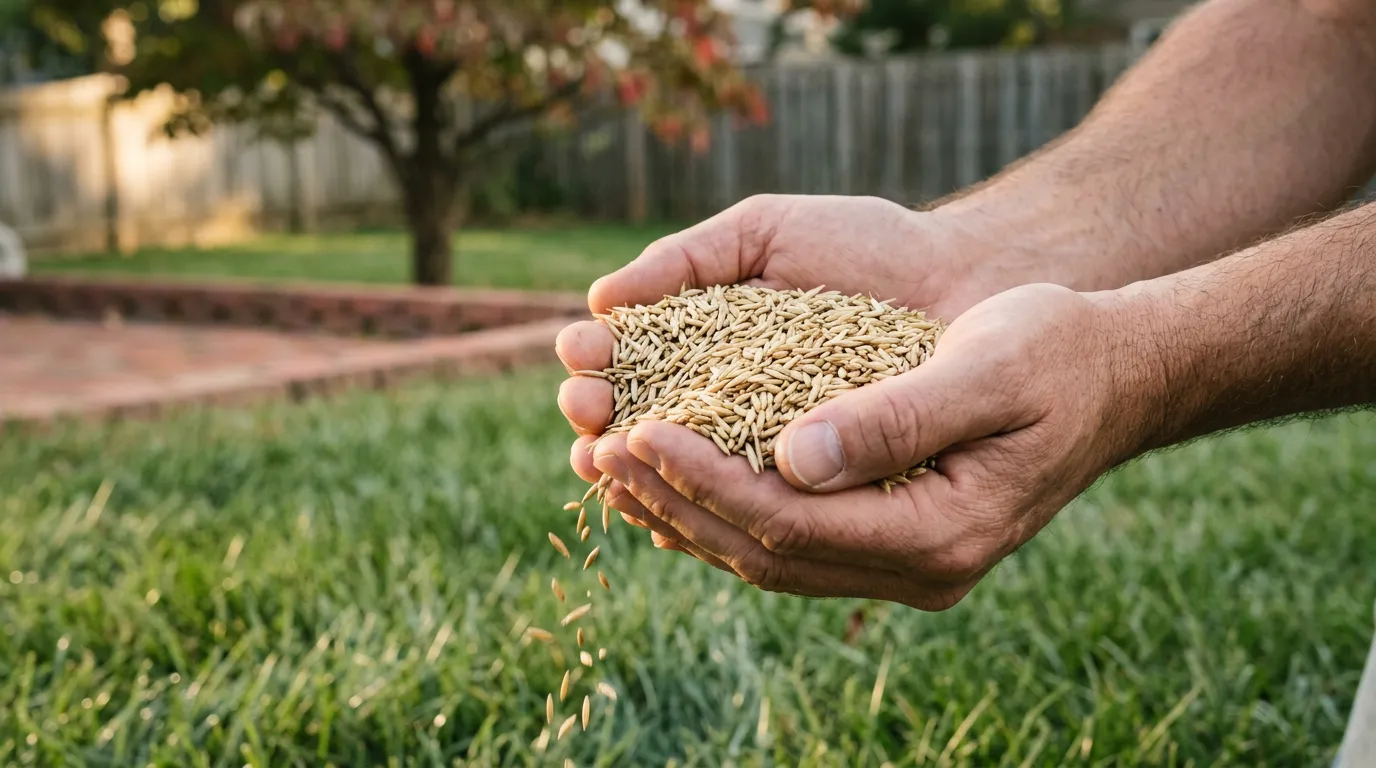
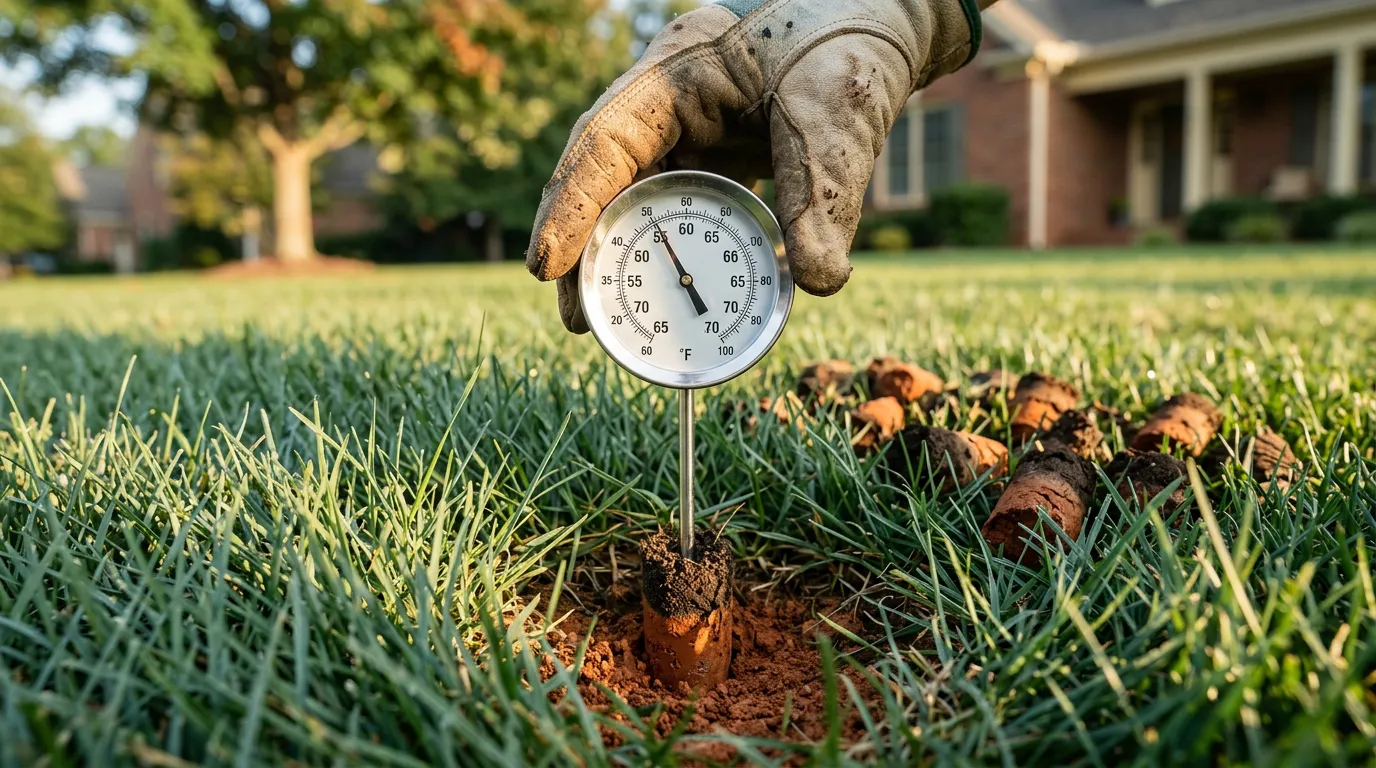
Spring lawn care involves preparing your yard for warmer temperatures to ensure it will be healthy throughout the rest of the year. This includes activities such as aeration, fertilizing, seeding, and weed control. Aerating your lawn helps reduce compaction in the soil, allowing air, water, and nutrients to reach the roots of grass more easily. Fertilizing provides essential nutrients to help the grass grow strong and healthy, while seeding helps thicken areas that are thinning. Weed control can help keep weeds from taking over your yard by killing existing weeds while preventing future growth.
Why Should I Do It?
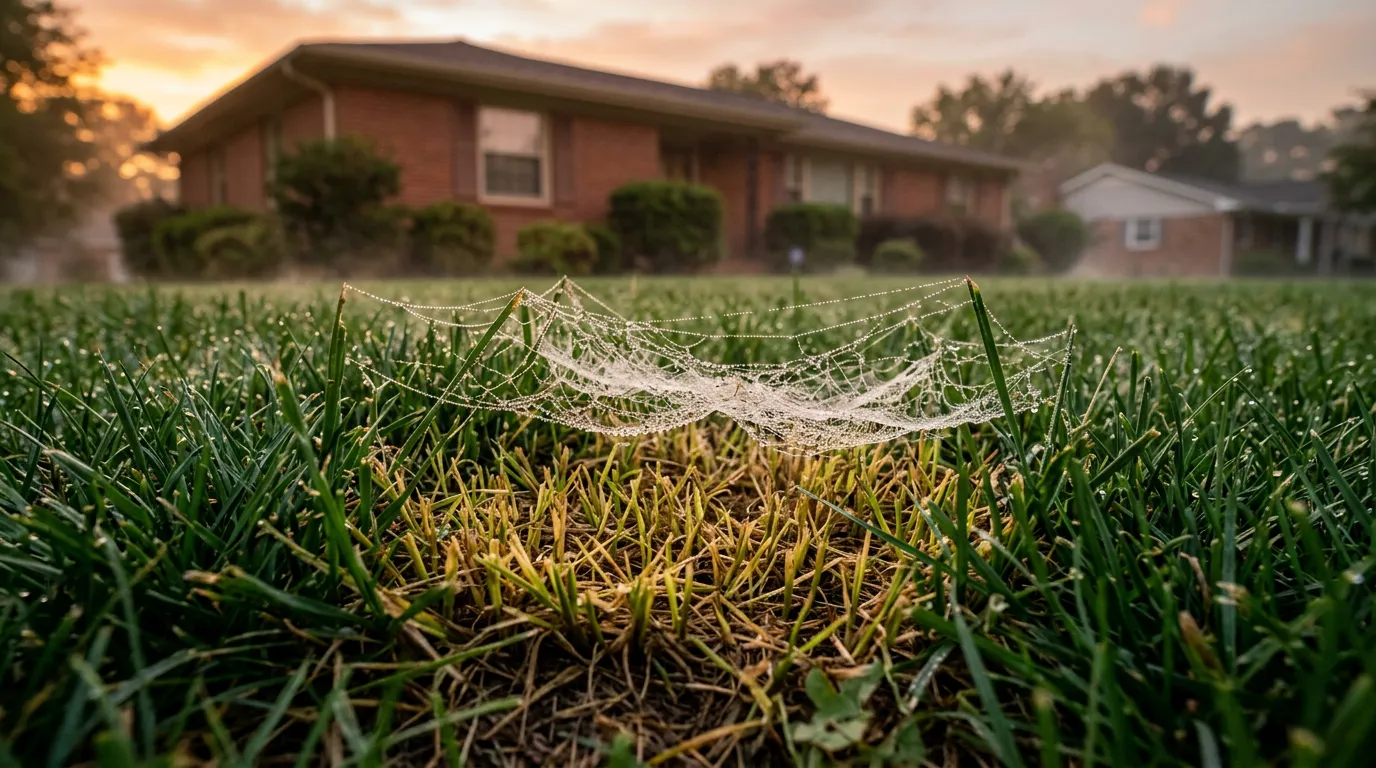
Besides the obvious answer, spring lawn care helps spring your lawn to life (pun intended). Furthermore, a well-maintained yard creates a great first impression when people come to visit or just pass by your property. It's also important for maintaining the value of your home should you decide to sell one day. Additionally, regular maintenance prevents common problems such as dead spots or excessive weed growth from developing, which can be costly to fix in the future if left untreated for too long.
When Should I Do It?
Ideally, spring lawn care should begin in early April when temperatures start warming up, and there’s less chance of frost damage occurring overnight. However, depending on where you live, this may vary slightly. Our rule of thumb is that if the trees start budding and the birds start chirping, then you know it's time for lawn care.
Ready to Jump-Start Your Lawn Care?
Want to get a jump-start on your lawn care this spring? Then contact the team at Nature's Select Sandhills. We proudly service residents throughout Pinehurst, NC, preparing lawns for all the warm weather ahead. Our approach is to work with nature, not against it; this is why we use biologically based nutrients to encourage growth sustainably. We can even take care of your boxwood shrubs and treat any lingering pests. So, get a free estimate for your lawn care by calling (910) 757-0359 today.