How to Prevent Lawn Rust
If you’re a homeowner, the health and appearance of your lawn are likely high on your list of concerns this spring. Enter lawn rust, a pesky issue that can turn your lush green grass into a rust-colored eyesore. Wouldn’t it be nice to wake up to a vibrant, healthy lawn this spring? We’ll guide you through how to prevent lawn rust disease and share how Nature's Select Sandhills can help keep your lawns looking their best.
Understanding Lawn Rust
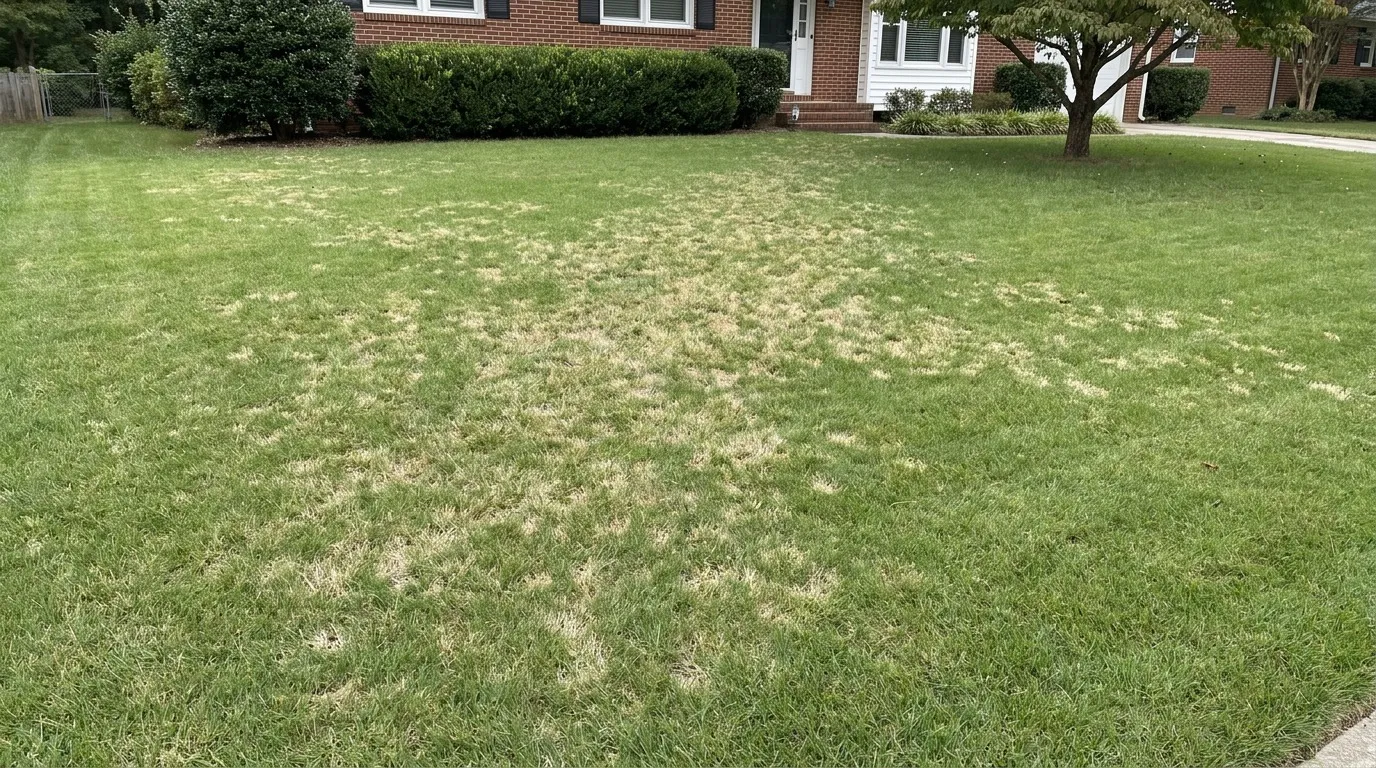
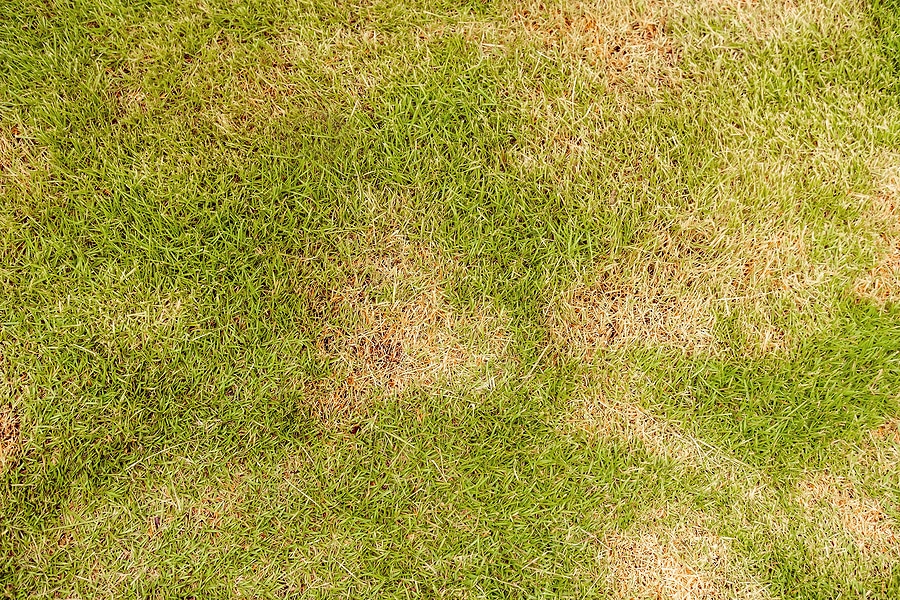
Lawn rust is a fungal disease that appears as yellow to orange powdery spores on grass blades. It is commonly caused by insufficient nitrogen, drought, or overwatering. This prevalent issue isn’t just unsightly; it weakens the grass, making it more susceptible to other diseases. This fungus thrives in damp and low-light conditions, such as those found under dense tree canopies or in shaded areas.
If your lawn exhibits any of these symptoms, it’s time to take action:
- Rust-colored, powdery patches on grass.
- Stunted growth and thinning.
- Increased susceptibility to stress and other diseases.
Prevention is key, but rapid management is essential to restoring your lawn if you notice the telltale signs of rust.
Prevention Techniques
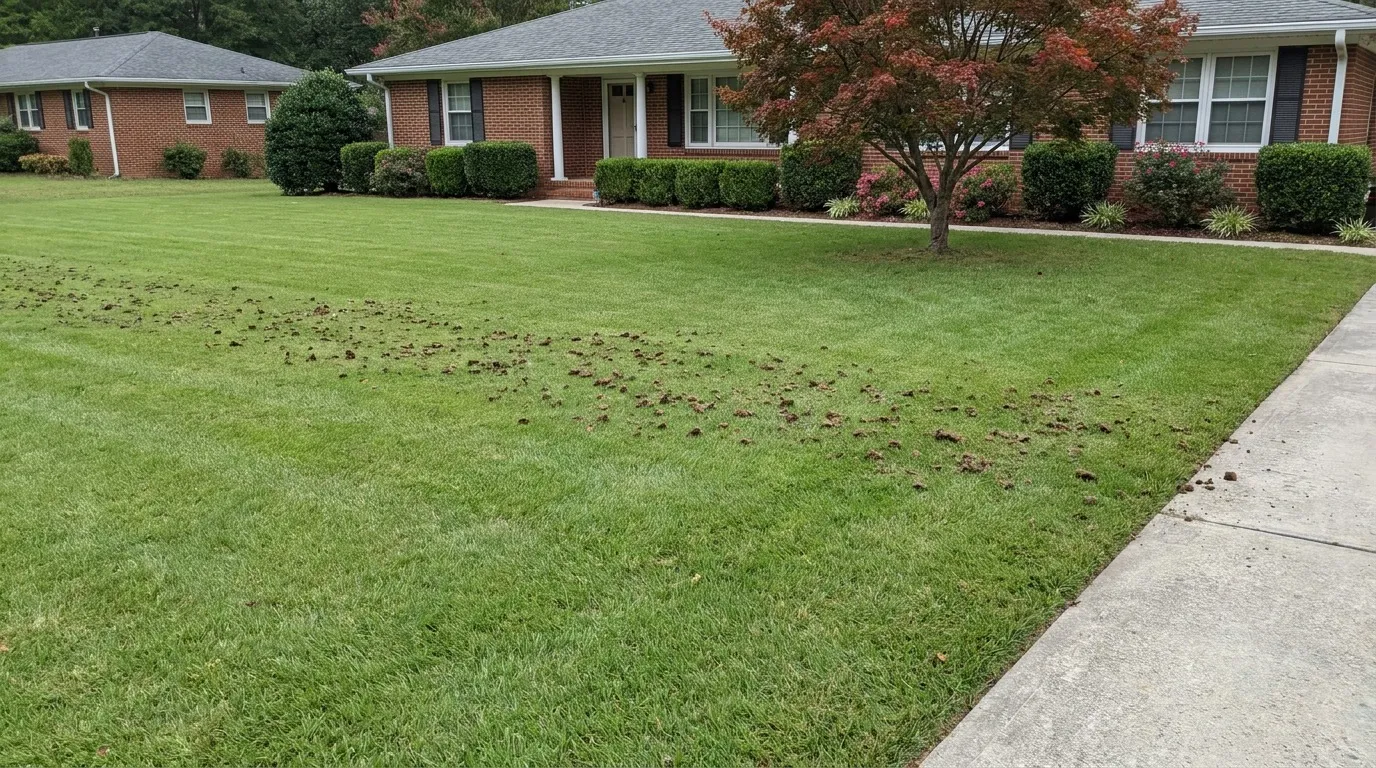
To prevent lawn rust, start with good practices and lawn care. You can begin by maintaining a consistent mowing schedule, never cutting more than one-third of the grass blade at a time. Furthermore, keep your lawn adequately hydrated, allowing it to dry out between watering to discourage fungal growth. Finally, consider aerating your lawn at least once a year to ensure water, nutrients, and oxygen can reach the roots.
Management Strategies If Rust is Spotted
To prevent lawn rust, you'll need to know what to look for in the first place. Lawn rust usually presents as orange or yellow pustules on the grass blades. It affects your lawn's growth rate, often in a patchy formation. The result is an overall weakened landscape and unpleasant appearance.
If you're considering treating lawn rust yourself, be cautious using harsh chemical treatments on your own, and always follow the instructions carefully. Thankfully, Nature's Select Sandhills offers a sustainable alternative with biologically-based nutrients that work to restore soil health, encourage grass growth, and combat lawn rust without harming the environment.
Protect Your Lawn from Rust
Your lawn is not just grass; it's a thriving ecosystem. So, start the spring season with a healthy, resilient lawn and enjoy a summer free of the rust-colored woes of rust disease. Need help? Call us at Nature's Select Sandhills in Aberdeen, NC, at (910) 757-0359. We'll gladly provide you with a free estimate on our lawn disease prevention, pest control, and aeration services - everything you need to protect your lawn from rust.