The Benefits of Regular Tree Inspections
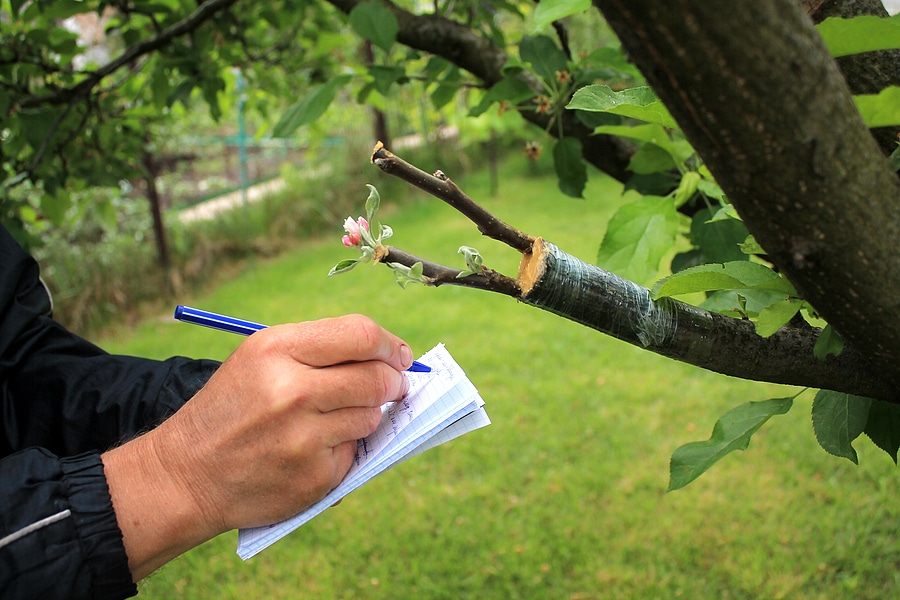
For homeowners, trees are more than just part of the landscape; they are living organisms that contribute to the health and beauty of the environment. Trees not only provide aesthetic value but also offer shade, enhance air quality, and support local ecosystems around your home. However, like all living things, trees require care and maintenance, and one essential yet often overlooked practice is regular tree inspections. So, let's explore why a tree inspection might be in your future this spring with Nature's Select Piedmont.
The Vital Importance of Tree Inspections
Preventing Disease Spread
Trees are susceptible to a myriad of diseases, some of which can spread rapidly to neighboring trees and plants. Regular examinations can identify signs of disease, allowing for isolation or treatment before it’s too late. By promptly addressing diseased trees, you can prevent an outbreak that could devastate your garden.
Ensuring Tree Health and Longevity
A neglected tree is more likely to succumb to diseases, pests, and environmental stressors. Inspections can help maintain a high level of tree health by detecting issues early and taking appropriate action. Healthy trees contribute to a healthy garden, supporting its ecosystem and longevity.
Identifying Pest Infestations Early
Pests, such as aphids and caterpillars, can do significant damage to trees, often without immediate notice. A routine check can reveal the presence of pests and allow for the implementation of control measures before they become a major problem.
Methods of Tree Inspections
Visual Inspection Techniques
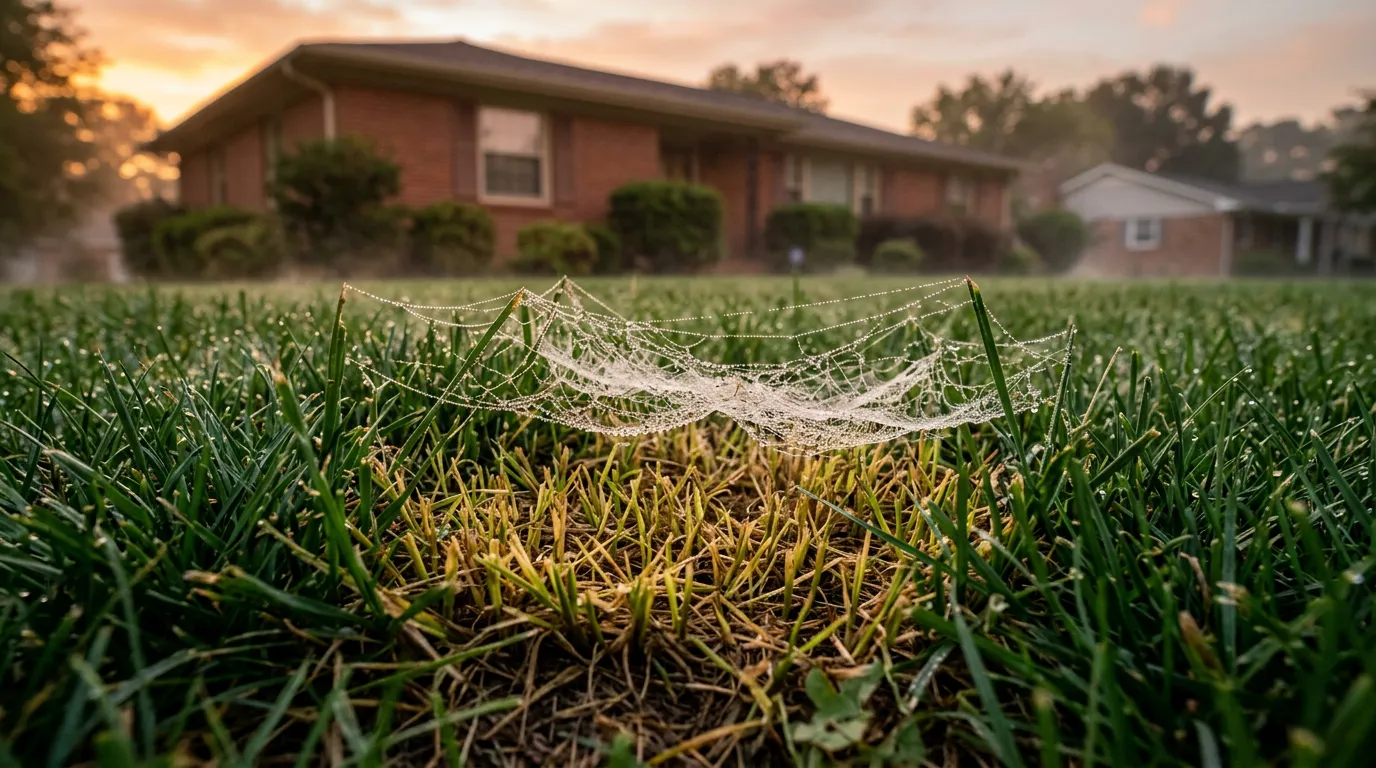
Visual examinations involve looking for external signs of damage, disease, or pests. This includes inspecting the trunk, branches, leaves, and root system for anything unusual. Look for unusual leaf color or shape, dead branches, unusual growths, and signs of infestations such as nests or webbing.
Conducting Tree Health Assessments
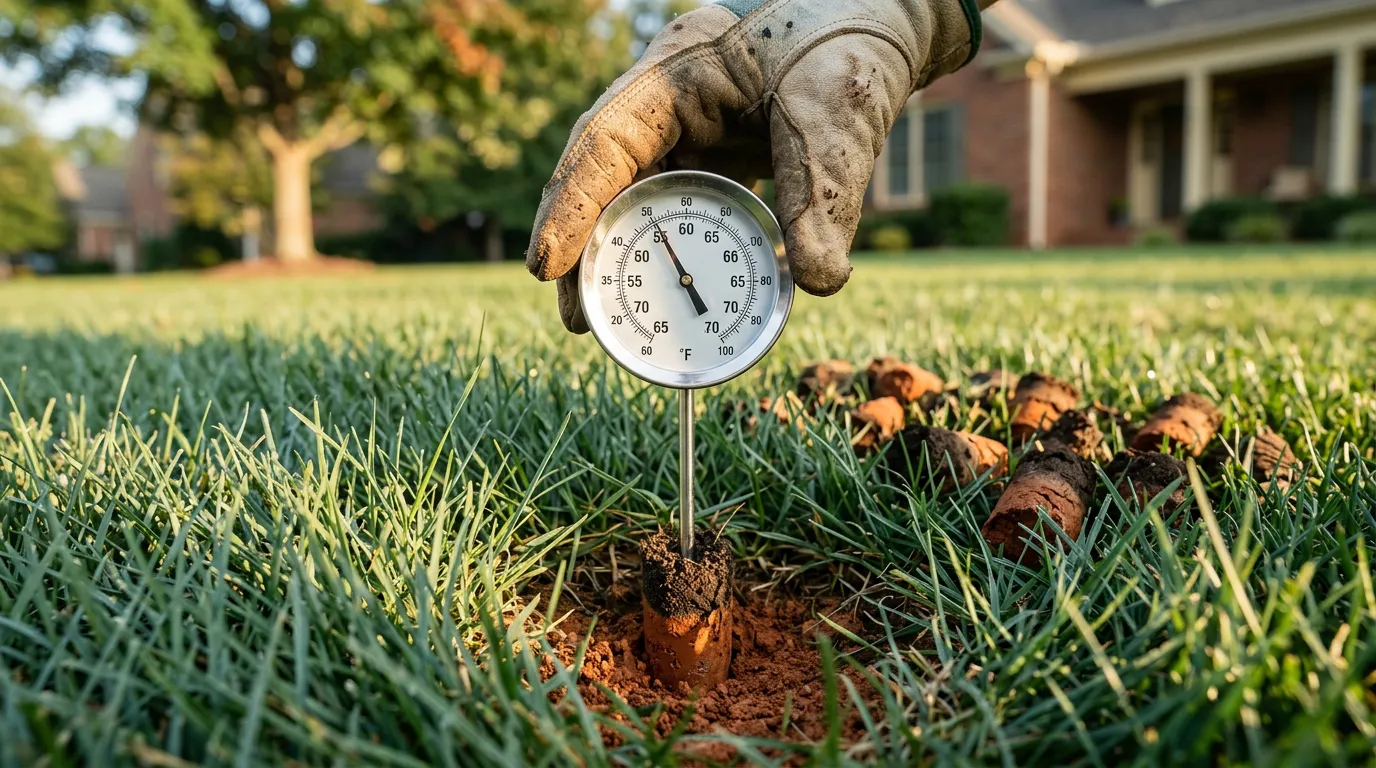
Health assessments are more comprehensive than visual inspections. They evaluate the tree's overall condition, including its ability to produce new growth, resistance to stress, and root system health. Health assessments often require the expertise of an arborist and may involve taking soil samples or performing lab tests.
Keep Your Trees Healthy
Nature's Select Piedmont in Greensboro, NC, stands as a steadfast ally in your quest to nurture healthy, vibrant trees capable of warding off pests and diseases. With a unique approach that harmonizes with nature, our team employs natural and biological formulas that not only target the immediate health concerns of your trees but also enrich the soil in which they thrive. By choosing Nature's Select for your tree treatment needs, you're opting for a partner that values the long-term health and beauty of your entire garden, working diligently to ensure it flourishes season after season. Get your trees, shrubs, and lawn ready for spring with a free estimate at (336) 544-4554.