How to Avoid Lawn Damage in Winter

Contrary to popular belief, lawn care is a year round job and shouldn't be ignored in the winter months. While it's true there is less to do in winter, there are certain steps you should take to ensure your lawn comes back healthy and thick in the spring. A big part of winter lawn care is protecting your lawn during the cold months from damage that can occur due to harsh conditions. In doing this, you increase the likelihood of having a lush spring lawn. To protect your Pfafftown lawn this winter, follow these tips from your friends at {{company_name}}®

Don't Skip Treatments
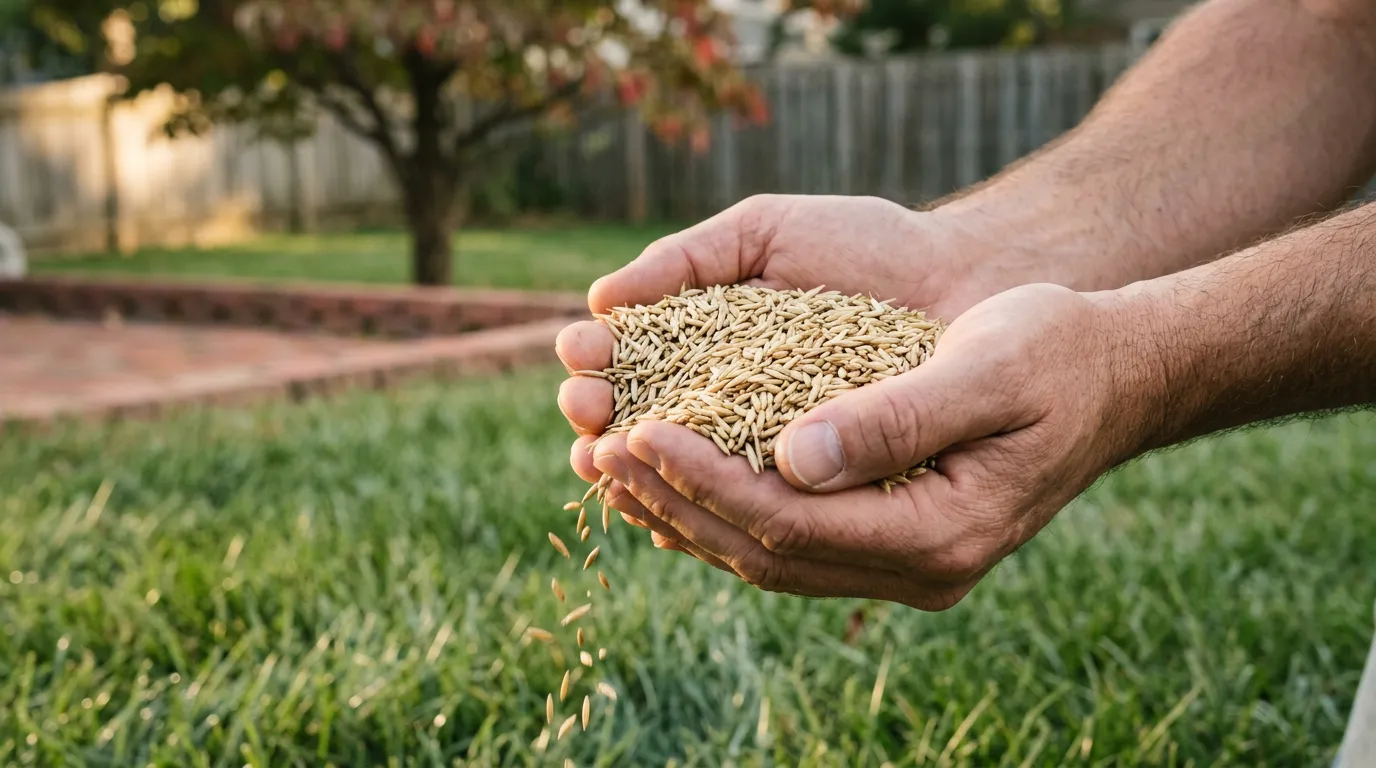
Many homeowners make the mistake of only fertilizing and treating their lawns in the spring. However, at {{company_name}}®, our select lawn care program includes seven applications for year-round lawn care. From November through January, we apply our winterizer which provides a much-needed nitrogen source for the lawn. Then, in January through March, we apply our spring 1 formula that includes controls for crabgrass and broadleaf weeds. Fertilizing and treating your lawn at the right time throughout the year with the right balance of nutrients will help strengthen your lawn so it can hold up to harsh winter temperatures.
Apply Salt Sparingly
Another common cause of lawn damage in winter comes from de-icers known as rock salt. While very effective at removing ice from walkways and driveways, excessive salt deposits can damage your trees, shrubs, and even your soil, resulting in burnt-looking grass. So, while it's important to keep your family safe from slips and falls throughout the winter, it's also important to only use this product as directed to avoid damage to your lawn. Make sure you pay attention to the recommended application and avoid using too much product as this will not help the ice melt quicker and will only add to the run-off.
Minimize Traffic
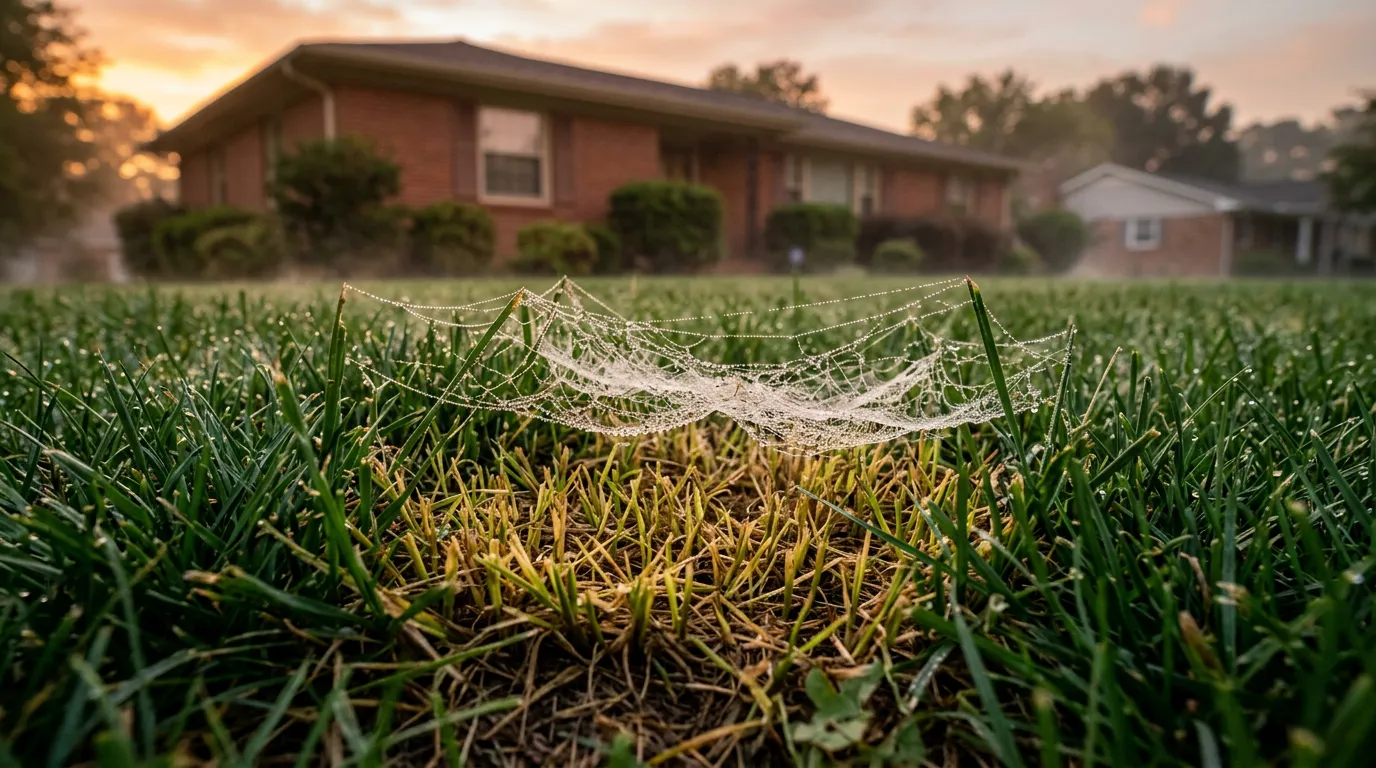
Finally, when your grass blades are frozen, they become very brittle and the cell walls can actually crack when stepped on. While your lawn can recover from most of this damage, constant traffic on a frozen lawn can do irreparable harm. Avoid leaving huge heavy piles of snow on your lawn, walking across your lawn while it's freshly frosted, and even sledding across your lawn. All of these activities could cause brown areas to appear in the spring.
Protect your lawn year-round with help from {{company_name}}® Our select lawn care program works to strengthen your plants by building healthy soil and utilizing the vascular system of the plant. Contact us today at {{local_phone}} to request your free estimate in the Winston-Salem area and start attending to your lawn in the winter months!