5 Early Signs of Lawn Disease
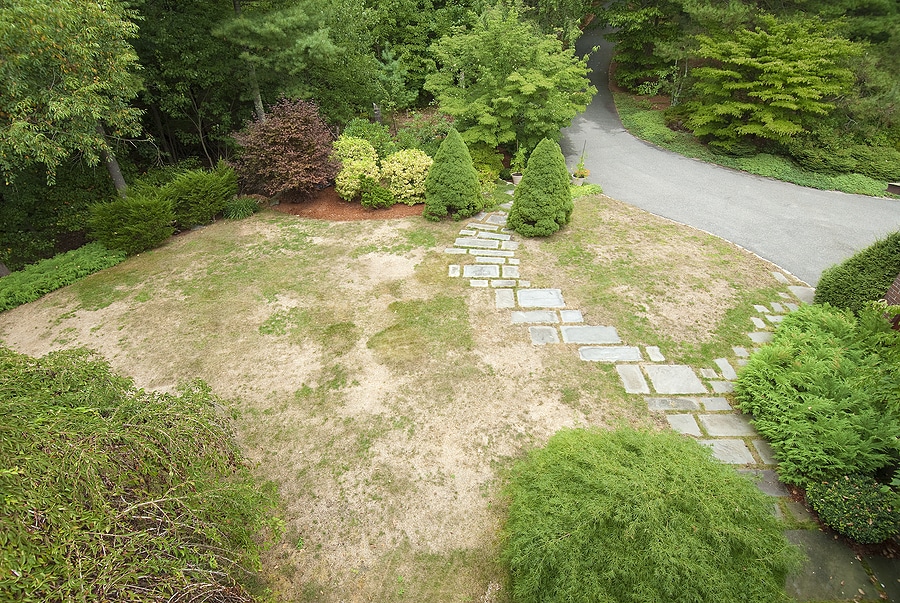
One of the key challenges in maintaining a healthy lawn is identifying the early signs of disease before it spreads. Early recognition can save your lawn from extensive damage and costly treatments. Here are five early signs of lawn disease that Nature's Select® wants you to watch for.
1. Discolored Patches
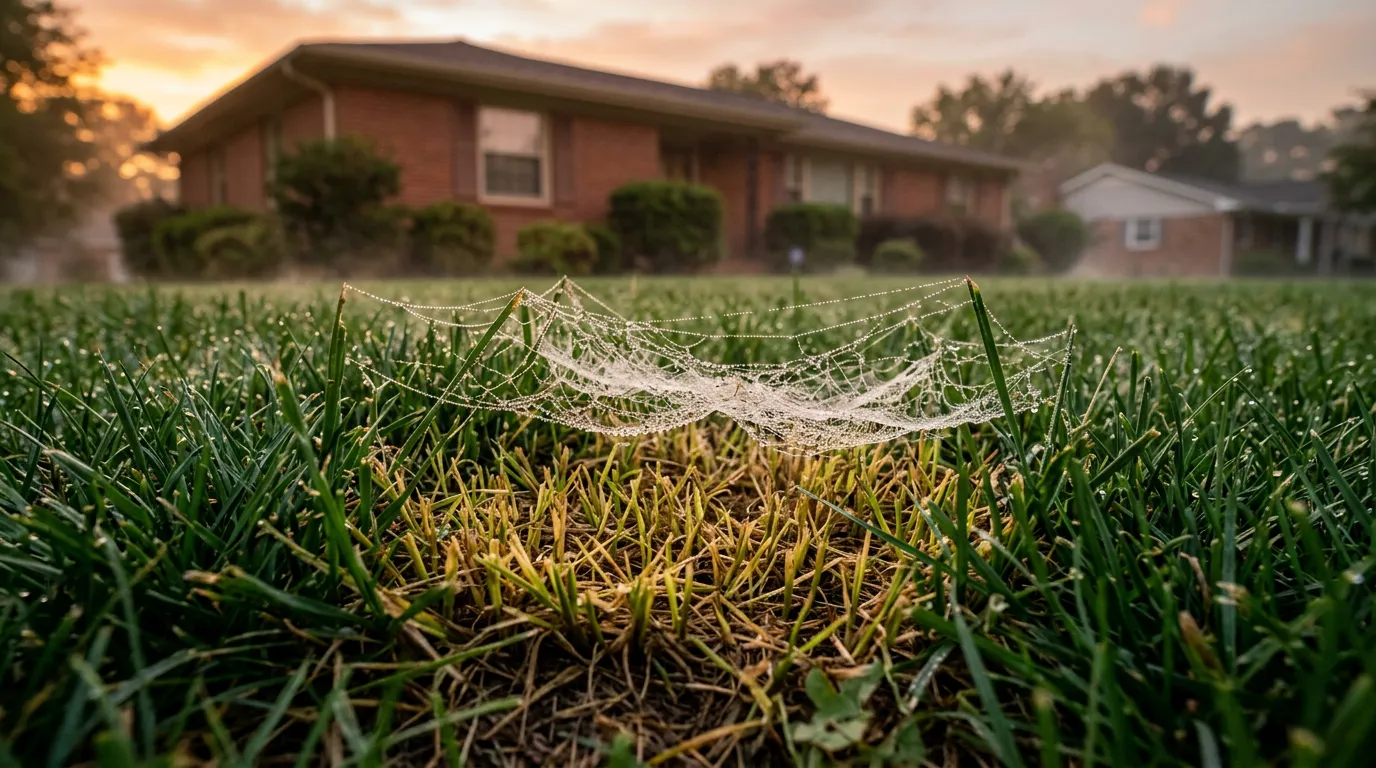
One of the most noticeable early signs of lawn disease is the appearance of discolored patches. These areas may range in color from yellow to brown and can spread rapidly if left untreated. Discoloration often signals fungal activity or nutrient imbalances.
2. Thinning Grass
A thinning lawn, where the grass blades appear sparse or grow unevenly, can indicate underlying disease. Pests, nutrient deficiencies, or fungal infections are typically responsible for causing this issue.
3. Oddly Shaped Patterns
Unusual patterns, such as rings, streaks, or patches, can be another telltale sign of lawn disease. Familiar examples include fairy rings or dollar spots, both of which indicate fungal presence. These patterns often have distinct edges, making them easier to identify.
4. Gray or Black Powdery Coating
Another early sign of lawn disease is the presence of a gray or black powdery coating on grass blades. This is often caused by fungal infections such as powdery mildew or sooty mold. If left untreated, these fungi can weaken the grass, making it more susceptible to further damage and spread.
5. Wilted or Curling Grass Blades
Grass blades that appear wilted, curled, or dehydrated despite proper watering may indicate disease. Common culprits include root rot or fungal pathogens that compromise the plant's ability to absorb water and nutrients. Acting quickly to address the underlying cause can prevent further deterioration of your lawn.
It's Lawn & Order Around Here
Maintaining a healthy and vibrant lawn requires vigilance and timely action to address potential issues like discoloration, unusual patterns, or signs of fungal infections. By recognizing these early warning signs and understanding their causes, you can effectively protect your grass from further harm. For expert assistance, turn to Nature's Select® in Winston-Salem, NC. We offer specialized eco-friendly lawn care, disease control, and pest control services designed to support a thriving, sustainable soil and lawn. Contact our team today at (888) 786-9735 to request your free estimate.