4 Challenges of Clay Soil

Does your lawn feel more like a brick patio than a soft, lush landscape? If you live in Chapel Hill, NC, chances are you're up against the challenges of clay soil. While it might seem like an uphill battle to achieve a thriving lawn, there’s good news—you can have a flourishing, green yard even with tricky clay underfoot. At Nature's Select®, we’re here to help with expert solutions tailored to your soil type. But first, let's dig into the common challenges of clay soil!
1. Poor Drainage Can Lead to Puddles
Clay soil is notoriously dense, which means water tends to sit on the surface rather than sinking in. After heavy rainfall, you may notice standing water or soggy patches in your yard. This can drown your grassroots and cause long-term problems, such as fungal diseases. By loosening compacted soil, aeration helps water penetrate more effectively, giving your lawn the breathing room it desperately needs.
2. Compaction Creates a Hard Surface
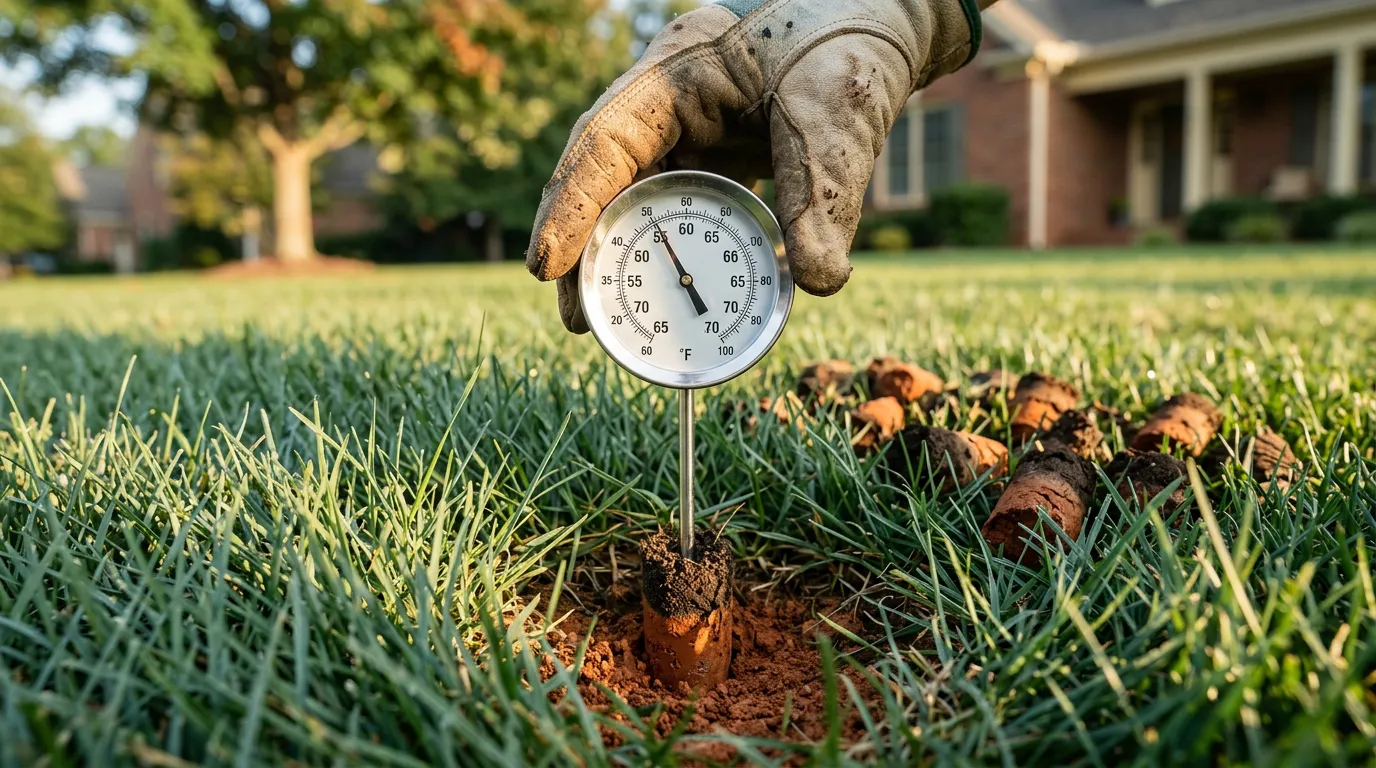
Have you noticed how clay soil hardens into something resembling concrete during dry weather? That compacted soil makes it tough for roots to grow and for your lawn to absorb essential nutrients. With our lawn aeration services, we combat compaction at its core. By improving airflow and nutrient flow to the roots, we help your lawn regain its vitality.
3. Nutrient Lockup Stifles Lawn Health
Clay soil can retain nutrients, but ironically, it also binds them too tightly, making it difficult for grass to access what it needs to thrive. This can result in a tired, yellow-looking lawn that struggles to grow despite your best efforts. Thankfully, our eco-friendly soil treatments nourish your lawn and balance essential nutrients. With our expertise, we’ll ensure your clay soil transforms into a source of strength for a vibrant, green yard.
4. Persistent Lawn Weeds Love Clay Soil
Weeds are opportunists, and the conditions of clay soil give them a fantastic foothold. From crabgrass to dandelions, they can push out your grass and take over patches of your lawn before you know it. However, our targeted lawn weed control eliminates unwanted plants while preserving your grass. Combined with proper soil care, we can help you maintain a strong, weed-resistant lawn.
From Challenge to Triumph
Clay soil might present a few hurdles, but with the right care, you can turn it into the foundation of your dream lawn. Whether it's improving drainage, reducing compaction, balancing nutrients, or battling persistent weeds, Nature’s Select® in Chapel Hill, NC, has the eco-friendly solutions you need. We specialize in aeration, grub control, disease control, and weed management, ensuring your lawn stays healthy, lush, and beautiful year-round.
Ready to conquer your lawn’s clay soil challenges? Give us a call today at (888) 786-9735 to schedule your free estimate.