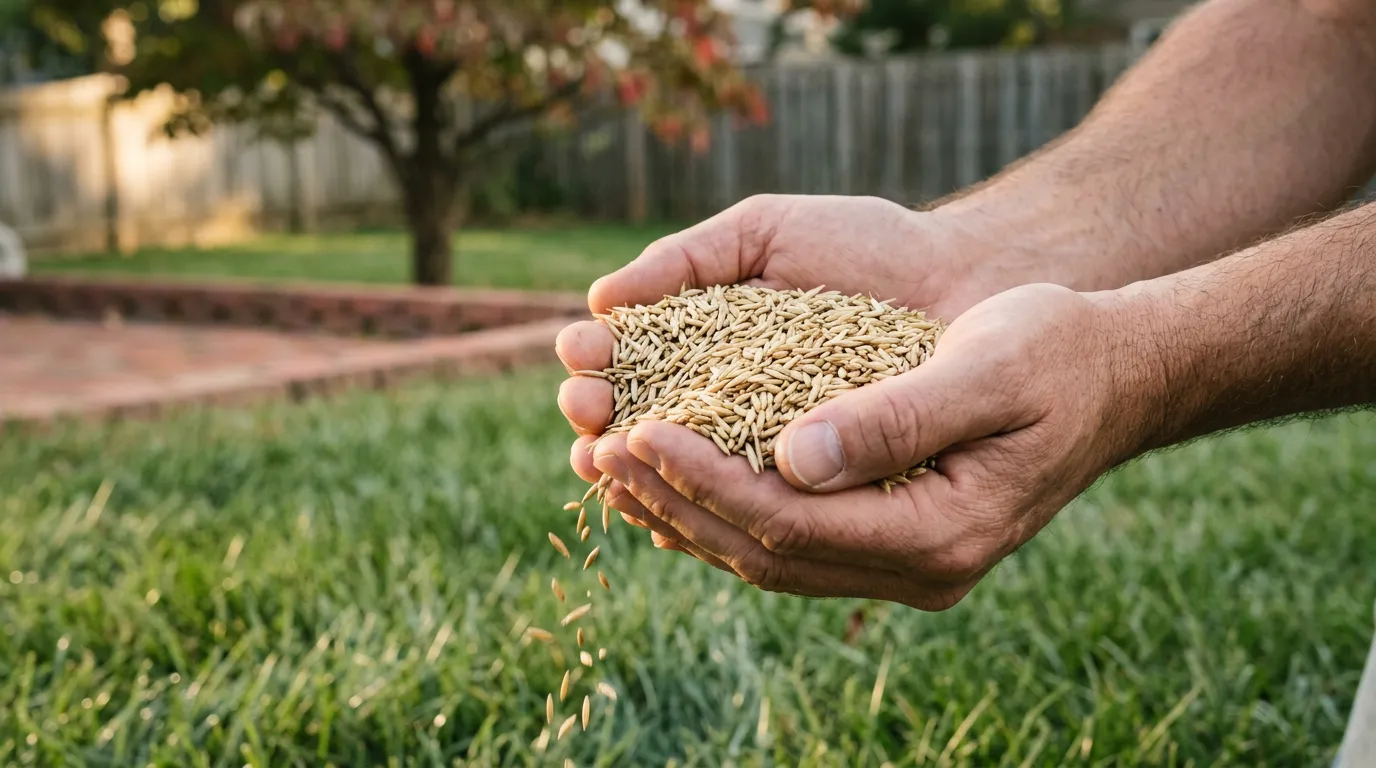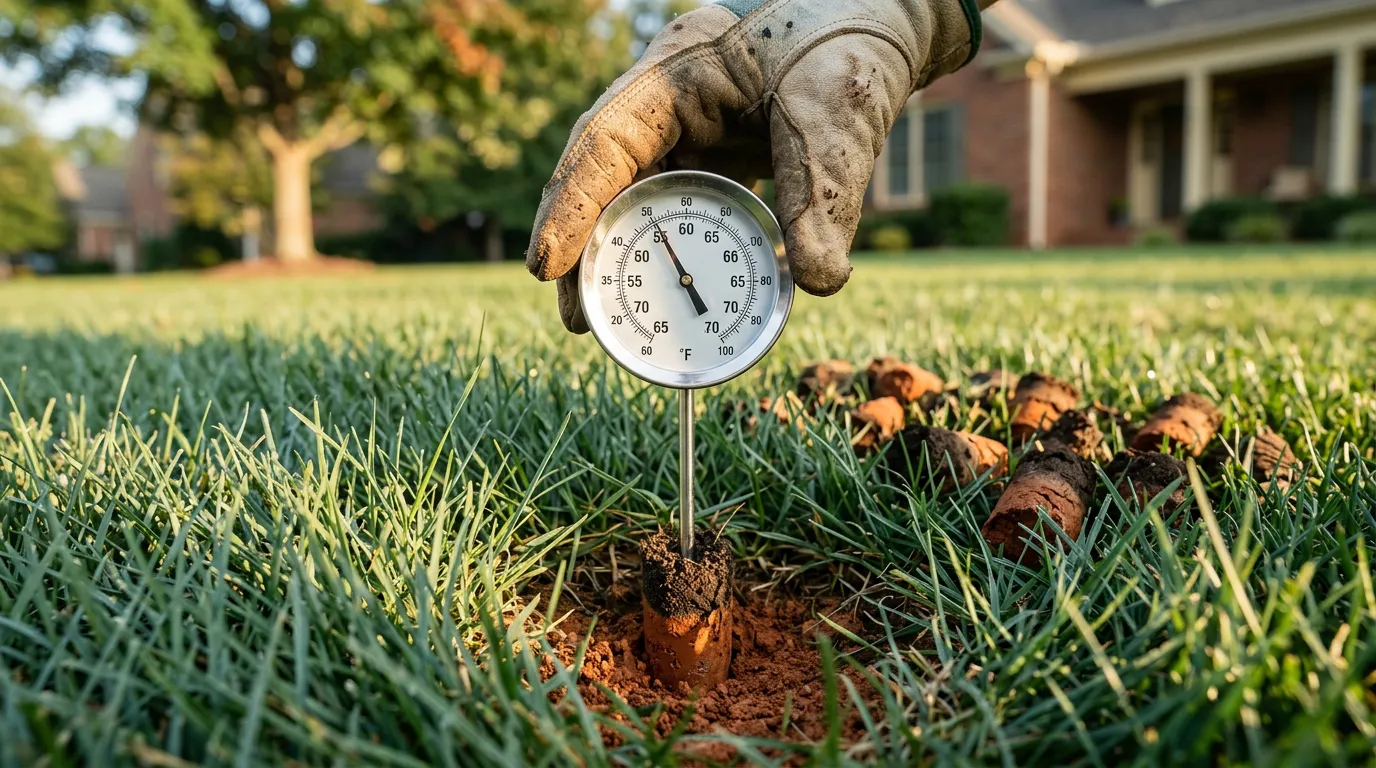
When it comes to having a lush lawn, more isn't always better. If your yard suddenly looks more like a jungle than a golf course, you might be facing a classic case of overseeding gone wild. At Nature’s Select®, we love a thick, healthy lawn, but when grass is overcrowded, it can cause more problems than it solves. Let’s talk about four telltale signs you’ve overseeded your lawn, and what to do next!
1. Patchy Growth and Strange Texture
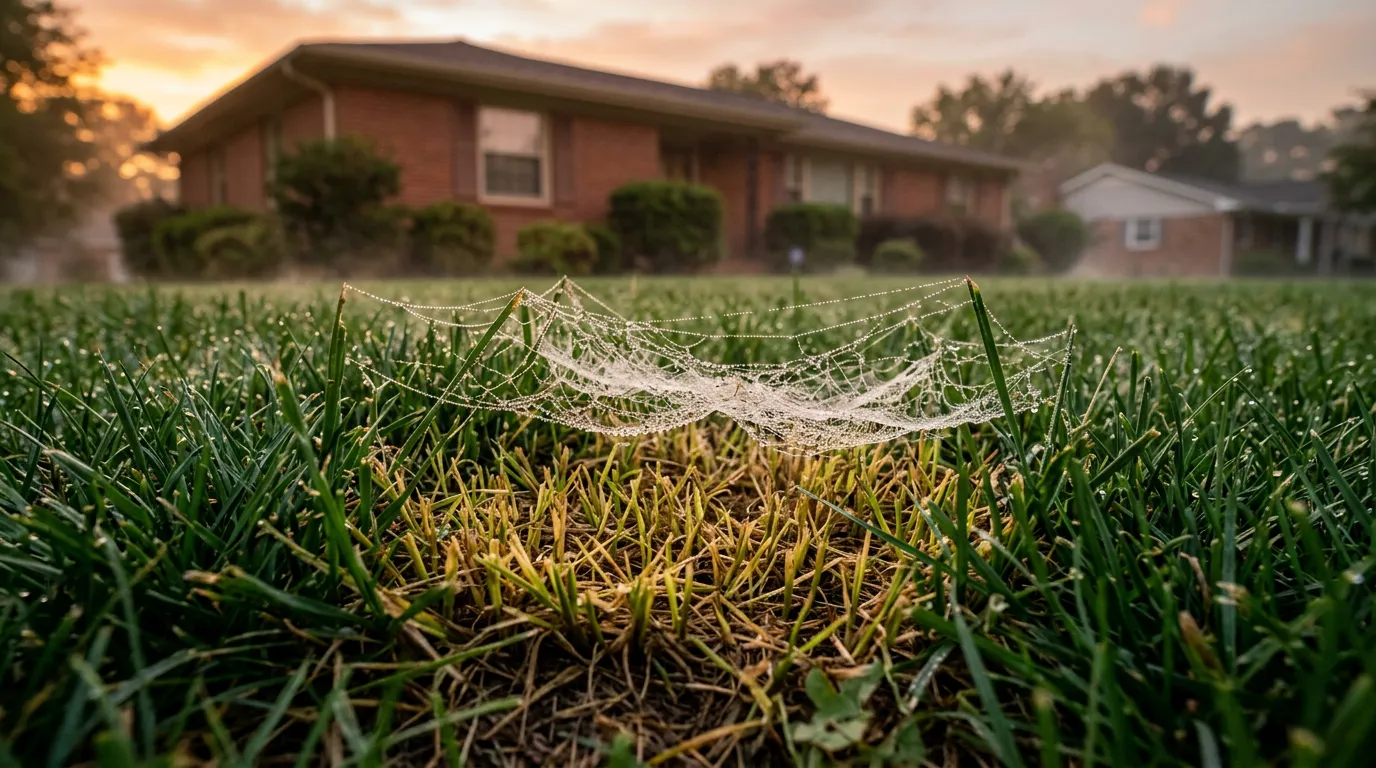
One of the first signs you’ve gone overboard? A lawn that feels bumpy, uneven, or patchy underfoot. Instead of smooth, consistent grass, you’ll notice thicker clumps in some areas and thin, bare spots in others. Overseeding without control can cause different varieties to compete for space, sunlight, and nutrients, leading to a messy, patchwork appearance.
2. Yellowing Grass Despite Watering
Yellowing grass usually points to stress, and overcrowded lawns are very stressed. Too many seedlings jammed together fight for water and nutrients, and most end up starving. Even if you’re watering like a pro, your lawn may still look thirsty because the competition is just too fierce.
3. More Weeds Than You Expected
Ironically, overseeding mistakes can actually invite weeds to take hold. When new grass is packed too tightly, airflow drops, moisture lingers, and weeds find the perfect conditions to sneak in. If you’re seeing more crabgrass or clover than usual, overcrowding could be part of the problem.
4. Scalping During Mowing
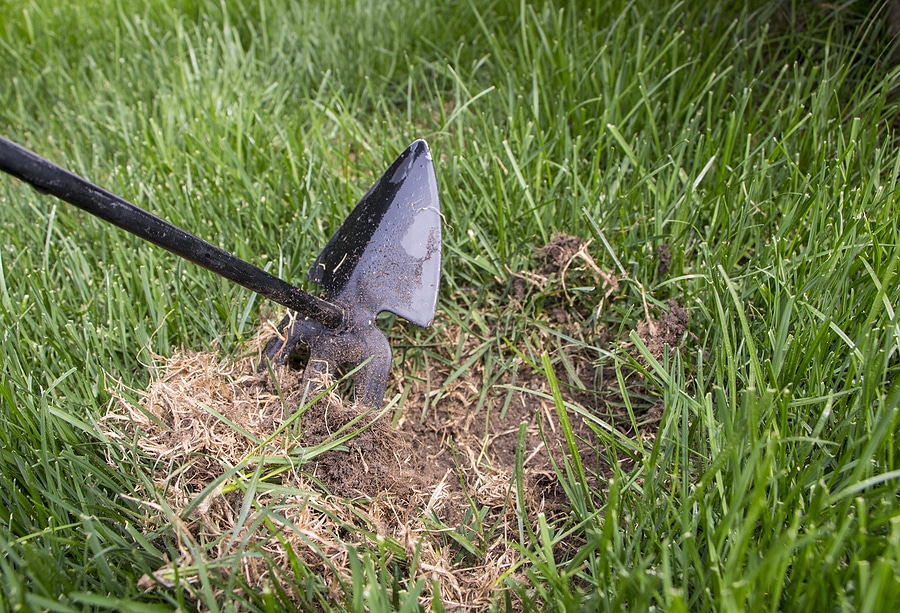
Does your mower seem to be cutting too low even when it's on a high setting? That’s called scalping—and it’s often a result of too much grass fighting for the same space. Thick, tangled grass grows unevenly, forcing your mower to work harder and leaving behind rough, uneven cuts that stress the lawn even further.
Restore Balance With a Pro Touch
If your lawn in Pinehurst, NC, looks more like an overgrown meadow than the beautiful turf you envisioned, don’t worry—Nature’s Select® is here to help! Our expert team can diagnose overcrowding issues, create a customized recovery plan, and get your yard back to healthy, gorgeous growth. Plus, we can help you stay ahead of future problems with services like spring dead spot control, weed control, and lawn care. Ready to reclaim your lawn? Request a free estimate today by calling (888) 786-9735.