Here’s a lawn care truth most fertilizers won’t tell you: your grass isn’t the main character—your soil is. In Pinehurst, NC, where lawns are a big part of curb appeal, focusing only on what you see above ground is like decorating a house with a crumbling foundation. At Nature’s Select®, we build beautiful lawns by starting with what’s happening beneath your feet, and here's why.
Soil: Your Lawn’s Life Support System
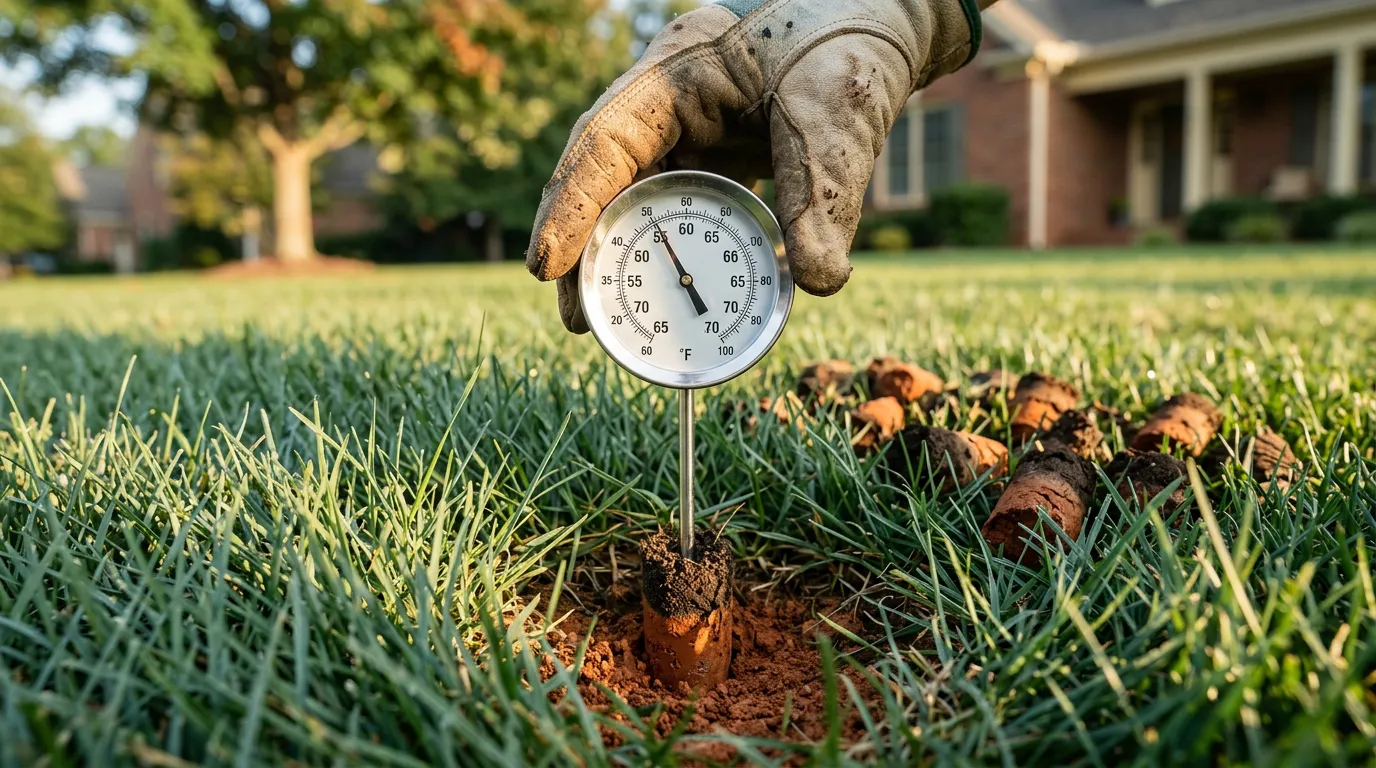
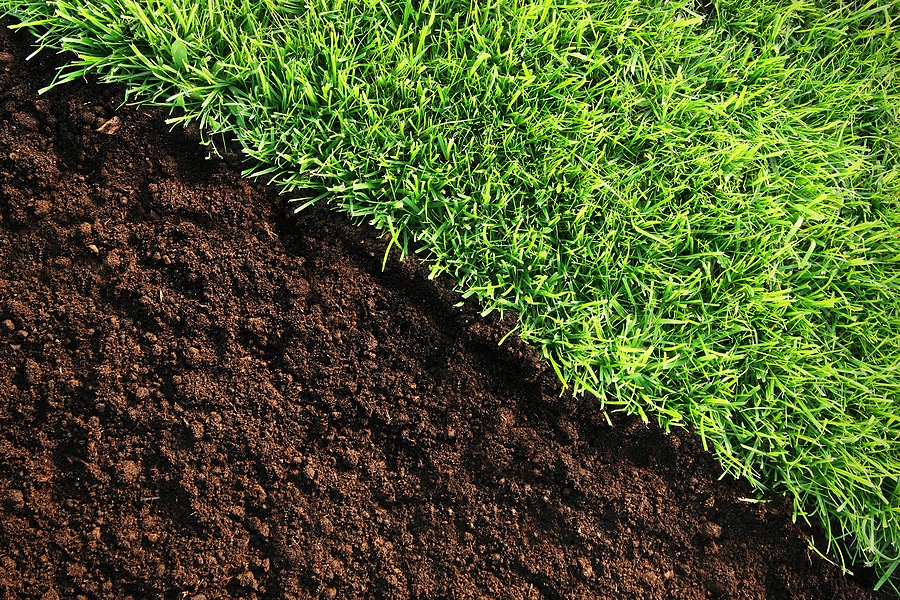
Your lawn lives or dies by the quality of its soil. Healthy soil is loose, well-structured, and full of air pockets and organic matter. That kind of environment lets roots grow deeper, access more water, and better withstand heat, traffic, and stress. When we “feed the soil,” we’re improving that whole underground support system so your grass can thrive naturally.
Meet the Microbes Doing the Heavy Lifting
Soil is alive with beneficial microbes—tiny organisms that break down organic material, release nutrients, and help protect your turf from disease. Instead of dumping harsh, quick-fix chemicals on the grass blades, we use eco-friendly products that support these microbes. The result? Longer-lasting color, stronger roots, and a lawn that’s naturally more resilient.
Why Quick Green-Ups Don’t Last
High-salt, synthetic fertilizers can give you a fast green lawn, but they don’t do much for the soil. In fact, over time, they can compact the soil, reduce microbial life, and make your turf more dependent on constant treatments. By feeding the soil instead, we’re playing the long game—building a lawn that looks good now and even better over time.
Battling Brown Patch and Weeds from the Ground Up
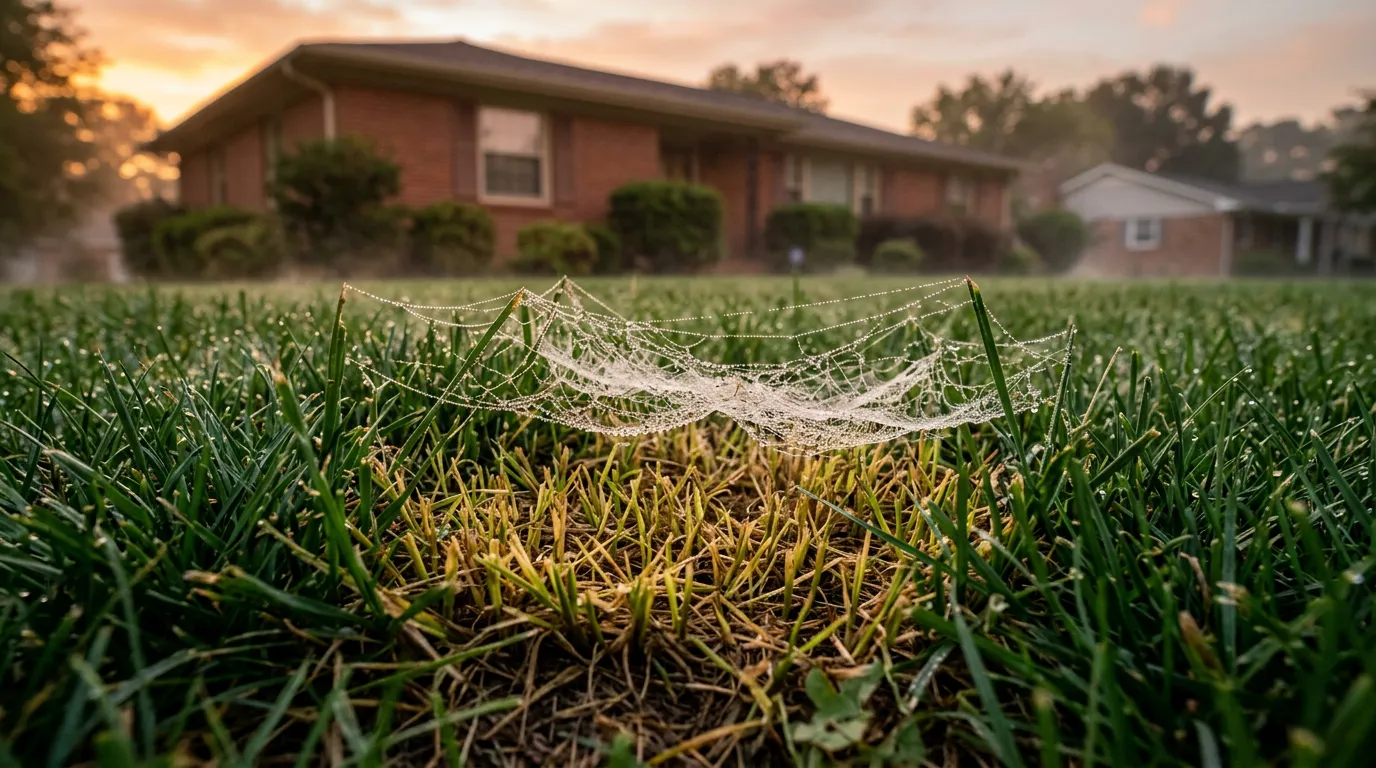
Common Pinehurst issues like brown patch and aggressive weeds often start with stressed, imbalanced soil. When soil biology and structure improve, your lawn is better equipped to resist disease and outcompete weeds. That’s why our approach fits perfectly with our broader lawn care, targeted brown patch solutions, and effective weed control programs.
Grow a Lawn That Loves Where It Lives
When you feed the soil, you’re not just treating symptoms—you’re investing in the long-term health of your lawn. Nature’s Select® focuses on the root causes (literally), creating a stronger, greener yard that’s tailored to Pinehurst's unique conditions. If you’re ready for lawn care that goes deeper than the surface, request your free estimate today at (888) 786-9735.