How to Keep Soil Microbes Active Through Winter
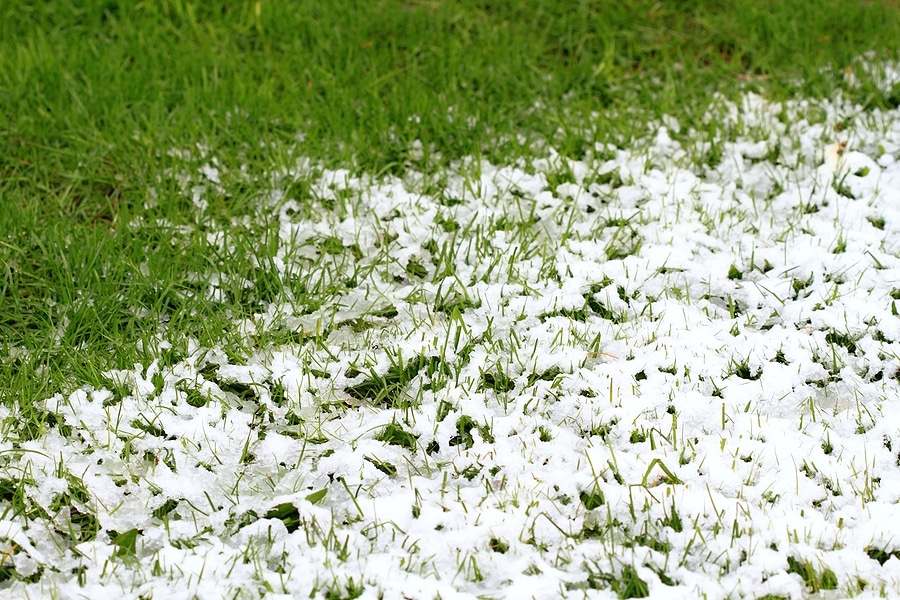
Here’s a secret most lawns are hiding: even when the grass looks quiet, the real action is happening underground. Your soil is full of living microbes working behind the scenes to support thicker, greener turf, and winter is a crucial time to keep them going. At Nature’s Select®, we build lawn programs around soil biology, not just what you see on the surface.
Why Microbes Matter More Than You Think
Soil microbes are like your lawn’s support staff. They break down organic matter, unlock nutrients, improve soil structure, and help roots grow deeper and stronger. When winter hits, their activity slows, but it doesn’t stop. The goal isn’t to keep them in “summer mode,” but to give them what they need to stay healthy and ready for a strong spring push.
Feed the Soil, Not Just the Grass
Traditional lawn care often focuses only on the grass blades. A biologically focused approach also feeds the soil. Using balanced, microbe-friendly nutrients and eco-friendly materials helps keep that underground community thriving through colder months. Avoid harsh, high-salt fertilizers, as they can stress microbes and disrupt soil life.
Don’t Skip Moisture Completely
Microbes need moisture to function. While you won’t water as much in winter, letting your soil dry out like a desert isn’t helpful. Occasional deep watering during extended dry spells can keep the soil environment hospitable for microbial life without overdoing it.
Protect the Root Zone
Compacted, heavily trafficked soil makes it hard for air, water, and microbes to move freely. Limiting heavy foot traffic on saturated or frozen areas helps preserve soil structure. Practices like aeration in the right season set microbes up for success by improving oxygen flow and rooting depth.
Partnering with Nature All Year Long
Keeping soil microbes active through winter isn’t about doing more; it’s about doing the right things. Nature’s Select® in Greensboro, NC, uses an eco-friendly approach that supports the hidden ecosystem so your lawn can bounce back fuller and healthier when warmer weather returns.
If issues pop up, our lawn disease management services help protect your turf from stress and damage. And when it’s time to refresh your lawn, our aeration and seeding services open up the soil and introduce new, vigorous growth that takes full advantage of an active microbial community. Give your lawn an underground advantage. Request your estimate today at (888) 786-9735.