Why You’re Still Seeing Weeds Despite Regular Sprays
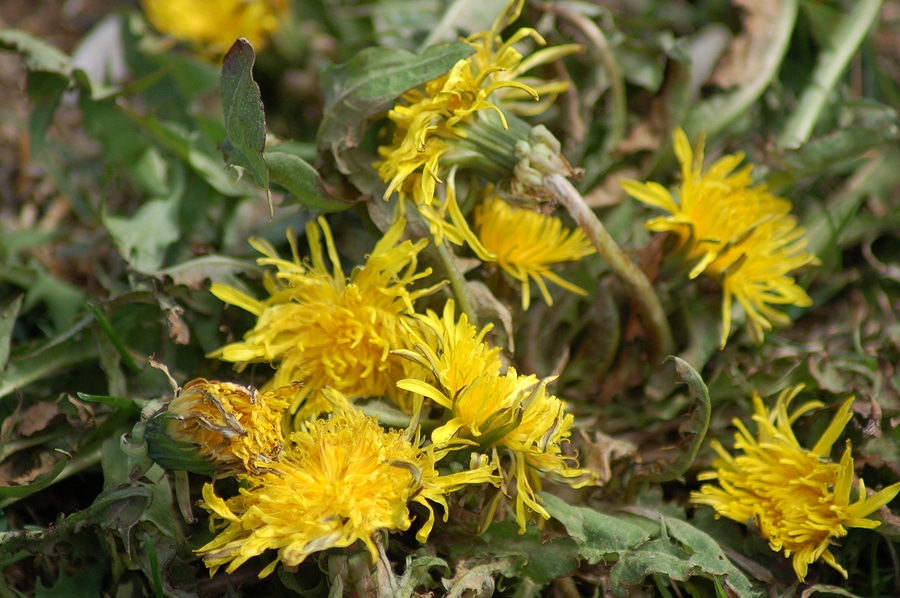
If you’ve ever walked out to admire your lawn and instead found the same stubborn weeds waving back at you, you’re not alone. It’s frustrating to spend time and money on sprays, only to feel like the weeds are laughing at you. At Nature's Select®, we see this all the time. There are reasons you're still seeing weeds despite regular sprays, but thankfully, there are also solutions!
The Weed Killer Isn’t Targeting the Right Weeds
Not all weeds are created equal. Broadleaf weeds, grassy weeds, annuals, and perennials all respond differently to treatments. If you’re using a “one-size-fits-all” product, it might not be effective on the specific varieties in your yard. Some weeds require pre-emergent solutions, while others require a more customized approach.
Timing Is Everything
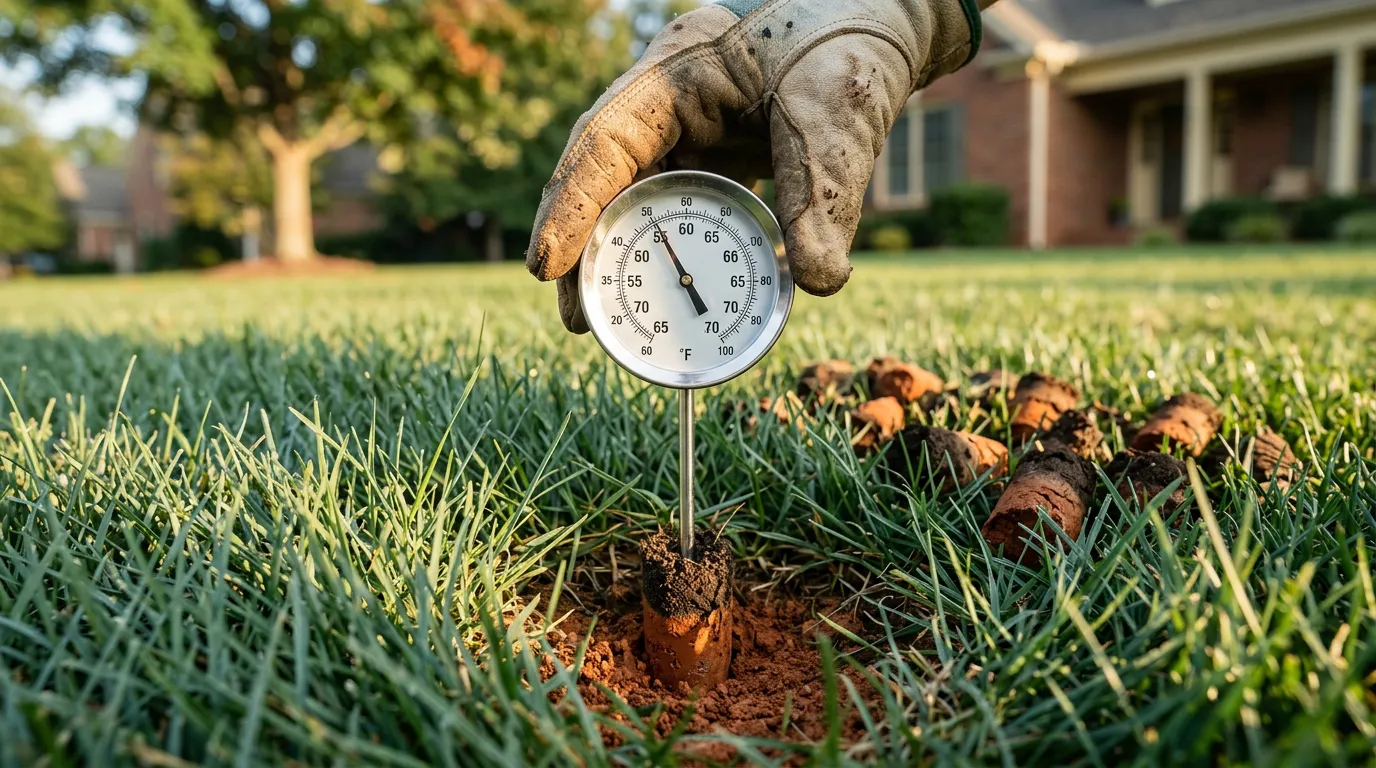
Spraying at the wrong time can make treatments feel useless. Many products work best when weeds are young and actively growing—not when they’re mature or stressed from heat or drought. Seasonal timing matters, too. If you’re only spraying when you notice weeds, you’re always a step behind the seed cycle that’s feeding your problem.
Weeds Love Weak Soil and Thin Grass
Weeds are opportunists. If your soil is compacted or low in nutrients, or if your grass is thin and patchy, weeds see an open invitation. While sprays may knock them back temporarily, they’ll keep coming if the underlying soil health isn’t addressed. Building stronger roots, improving active soil organisms, and feeding the lawn properly help grass outcompete weeds naturally.
Sprays Alone Don’t Change Lawn Habits
How you mow and water your lawn matters just as much as what you spray. Grass that’s cut too short, watered too shallow, or stressed from neglect struggles to crowd out weeds. Simple shifts—like mowing at the right height, watering deeply but less often, and avoiding heavy foot traffic on wet grass—can dramatically improve results.
Trade Frustration for a Healthier Lawn
If weeds keep popping up despite your best efforts, it’s a sign your lawn needs a more holistic, soil-first strategy—not just another round of store-bought spray. Nature's Select® offers eco-friendly lawn care solutions that address weeds, insects, and disease for homeowners in Winston-Salem, NC, and the surrounding areas, focusing on long-term lawn health instead of quick fixes. For a lawn that finally starts working with you instead of against you, request an estimate at (888) 786-9735.