How to Grow a Healthy Lawn With Sandy Soil

Are you struggling to get grass to grow in your lawn? Sandy soil may be the culprit. With sandy soil, it’s not that grass can’t grow—it’s that water and nutrients don’t stick around long enough for roots to thrive. The good news? You don’t need a total yard makeover. With the right strategy, you can build healthier soil, stronger roots, and a lawn that finally cooperates. Here’s how Nature's Select® recommends tackling sandy (and clay) soil the smart way so your lawn comes in thick and healthy.
Know Your Enemy: Why Sandy Soil Fights You
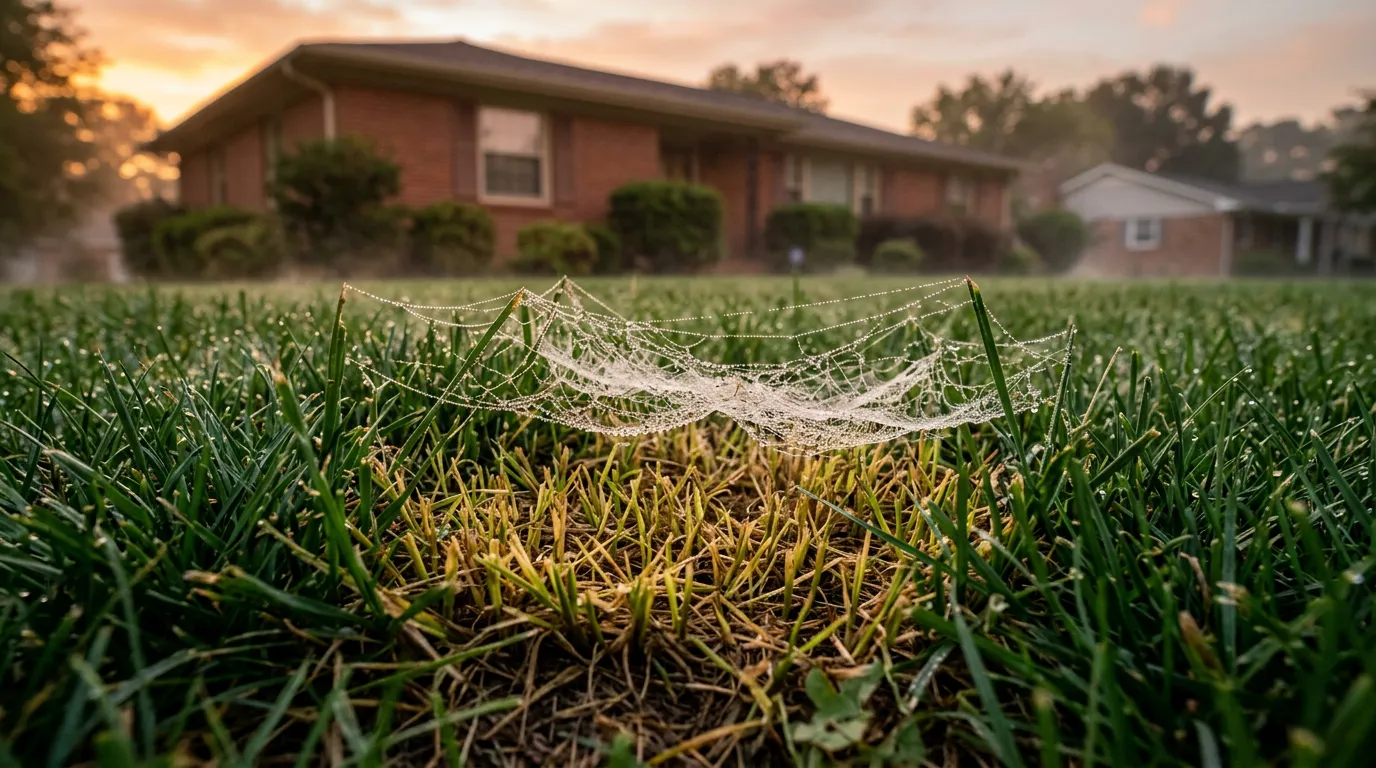
Sandy soil drains quickly, which is excellent for preventing puddles but terrible at retaining moisture and nutrients. That means your lawn may look thin, pale, or patchy even when you’re watering regularly. Fertilizer can wash through quickly, too, leaving grass hungry and weeds happy.
Water Like a Pro (Shorter, More Frequent)
If you water sandy soil the same way you’d water heavier soil, it’s like pouring coffee through a strainer. Instead, use shorter watering cycles more frequently to keep moisture in the root zone. Early morning watering is best, and consistency matters more than volume. Your goal is steady sips, not random floods.
Feed the Soil, Not Just the Grass
Sandy lawns improve when you add organic matter over time. Think compost topdressing or soil conditioners that help the ground hold moisture and nutrients. Mulch-mowing (leaving fine clippings) can also gradually add organic material. The long game here is building a richer, more sponge-like soil structure that supports root growth.
Choose the Right Fix: Aeration + Overseeding
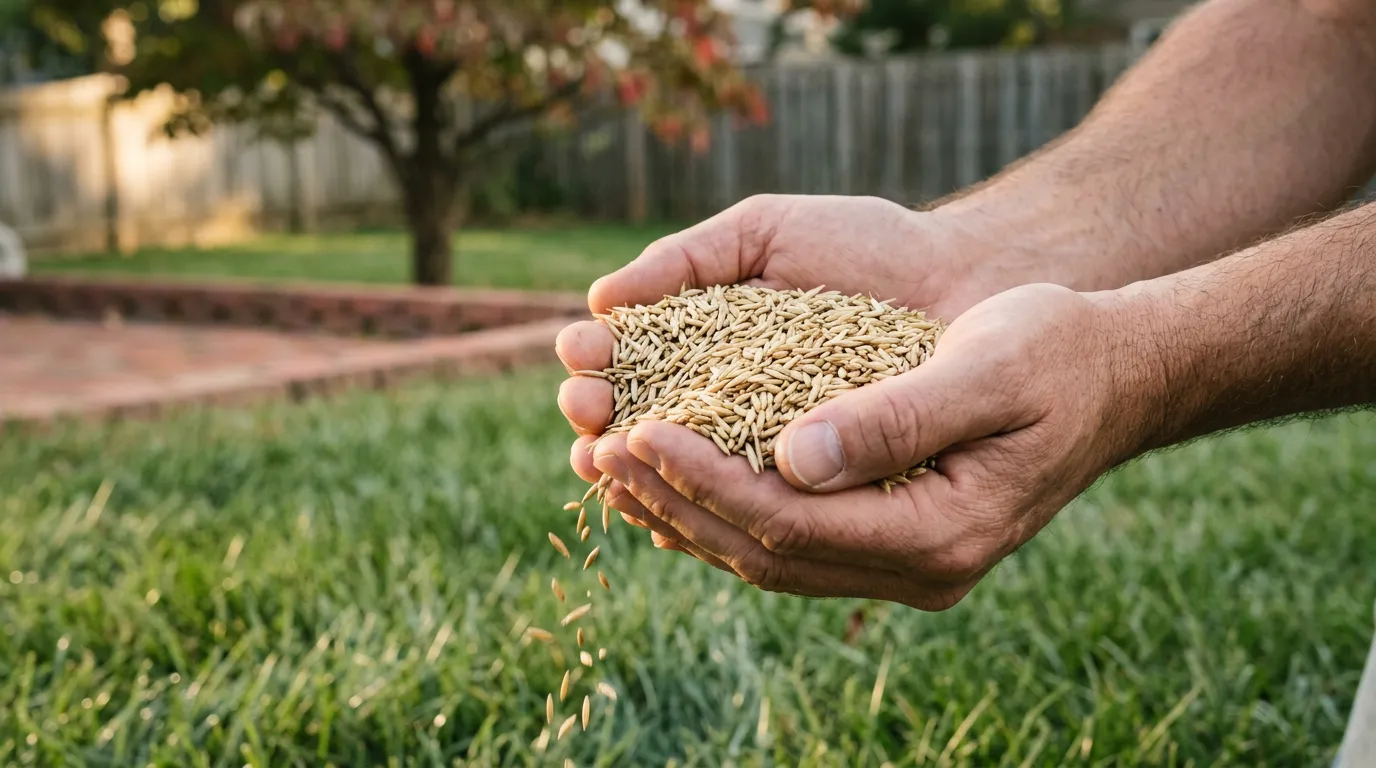
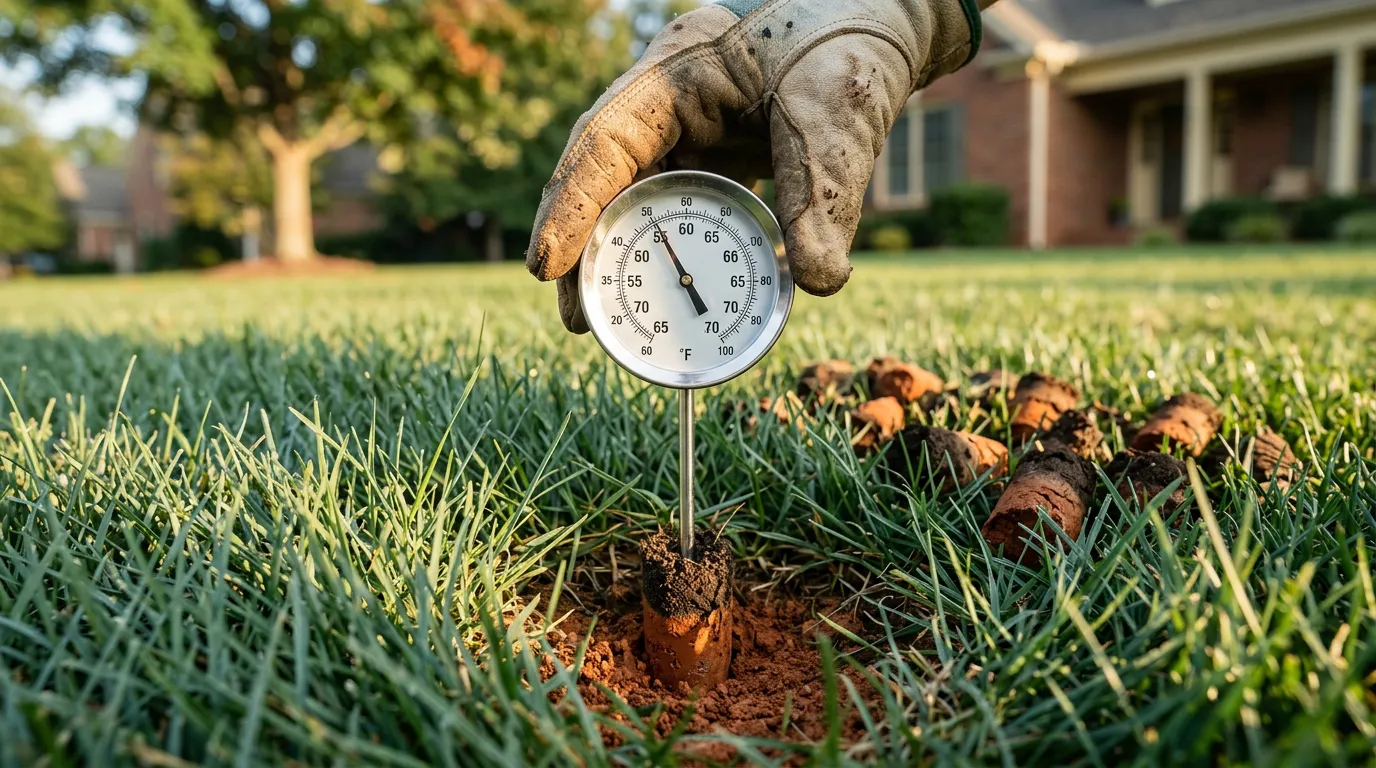
Even though sandy soil drains quickly, compaction can still happen, especially in high-traffic areas. Aeration opens up the soil, improves root access to water, and helps seed-to-soil contact. Overseeding then fills in thin spots with fresh grass plants that can establish deeper roots, making your lawn thicker and more resilient.
Keep Weeds and Insects From Taking Over
When grass is struggling, weeds move in, and insects can do more damage faster. A targeted plan for weed control and insect control protects your investment while your lawn strengthens. The key is getting ahead of the problem instead of chasing it all season.
Turn Patchy Into Plush
Sandy soil doesn’t mean you’re doomed—it just means your lawn needs a different playbook. Nature's Select® helps homeowners across Greensboro, NC, with lawn care, including aeration and overseeding, insect control, and weed control to build a lawn that actually grows (and stays that way). Request an estimate for your lawn at (888) 786-9735. And be sure to check out our other seasonal resources!