Your lawn is kind of like that friend who just needs a minute and somehow bounces back after a rough week. Even when it looks stressed, there’s a lot happening beneath the surface to repair and rebalance. The cool part? Grass and soil are built to recover naturally, and with the right eco-friendly support from Nature's Select®, they can do it faster and better. Here are five ways your lawn heals itself.
1. Roots Regrow and Fill In the Gaps
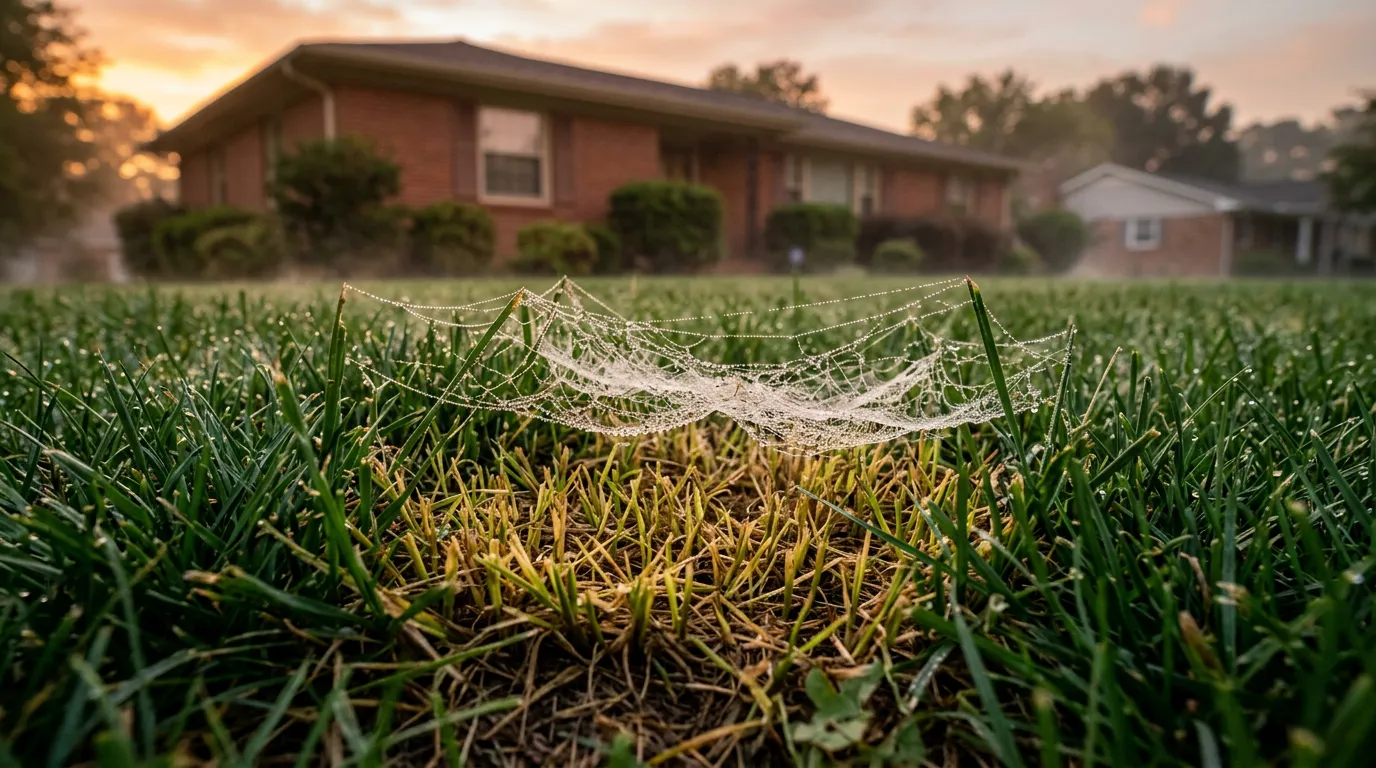
When grass gets damaged from heat, foot traffic, or mowing too short, the plant doesn’t just give up. Healthy turf focuses on regrowing roots and sending out new shoots. The stronger the root system, the better your lawn can self-repair by thickening up in weak spots.
2. Soil Microbes Get to Work Behind the Scenes
Your soil is alive with beneficial microbes that break down organic matter and convert it into nutrients that grass can actually use. Think of microbes as tiny recyclers that keep the soil pantry stocked. When they’re thriving, your lawn has steadier nutrition—and less “random” stress.
3. Thatch Breaks Down Naturally
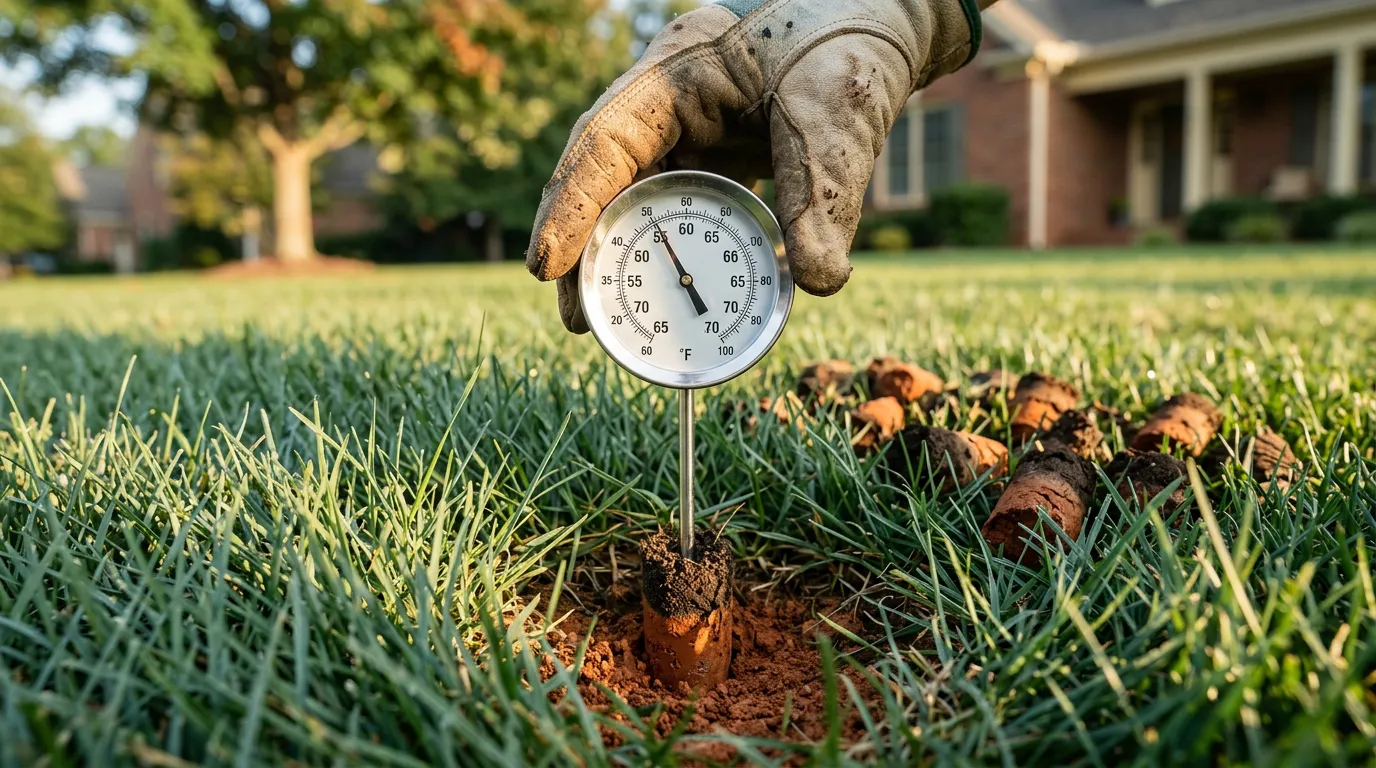
A little thatch is normal, but too much can block water and oxygen. Over time, helpful organisms in the soil break down that layer. If your lawn is struggling, aeration and proper watering help this process by letting air and moisture reach the right places.
4. Grass Can Outcompete Weeds (When It’s Healthy)
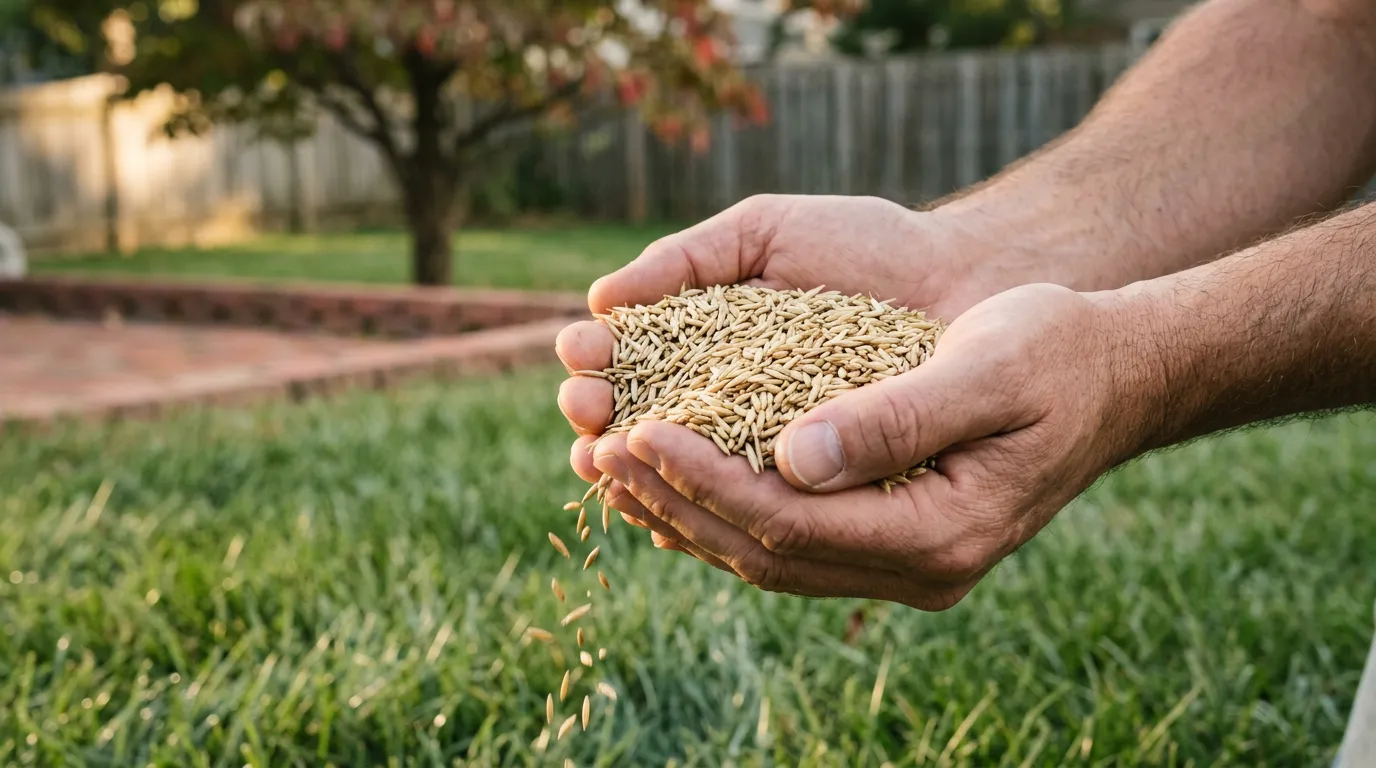
Weeds love opportunity. Thin lawns give them sunlight, space, and easy access to nutrients. But a thick, healthy lawn can crowd weeds out naturally—like filling every seat at the table so uninvited guests can’t sit down. Overseeding, mowing at the right height, and balanced nutrition all help your turf win that competition.
5. Beneficial Predators Keep Pests in Check
Not every bug is the villain. Many insects and organisms naturally keep pest populations balanced. Eco-friendly, targeted insect control supports that balance instead of wiping everything out and starting a “bug reboot” your lawn didn’t ask for.
Let Nature Lead
Your lawn is already wired to recover—you just want to create the conditions for it to do its thing. Nature's Select® helps homeowners throughout the Pinehurst, NC, service area with weed control, aeration and overseeding, and overall lawn care that supports long-term health, not quick fixes that fade fast. Request an estimate at (888) 786-9735.