Pre-Emergent for Annual Bluegrass: Timing & Best Practices
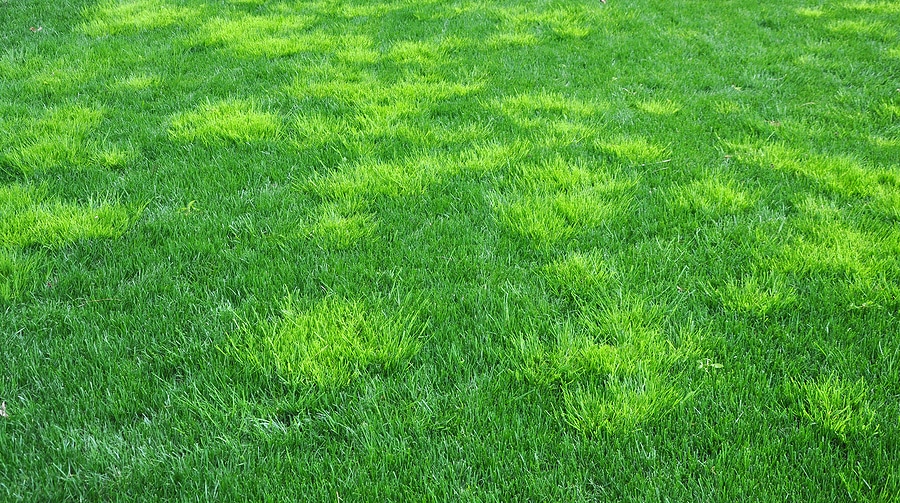
Annual bluegrass has a way of sneaking into a lawn like an uninvited party guest who refuses to leave. It pops up fast, looks deceptively fine from a distance, then turns patchy and weak when the weather heats up, leaving your turf looking stressed right when you want it to look its best. At Nature’s Select®, we help homeowners get proactive, so spring starts strong and stays that way. And one of the smartest moves is stopping bluegrass before it sprouts, which is exactly what a spring pre-emergent is designed to do.
What Annual Bluegrass Is & Why Pre-Emergent Works
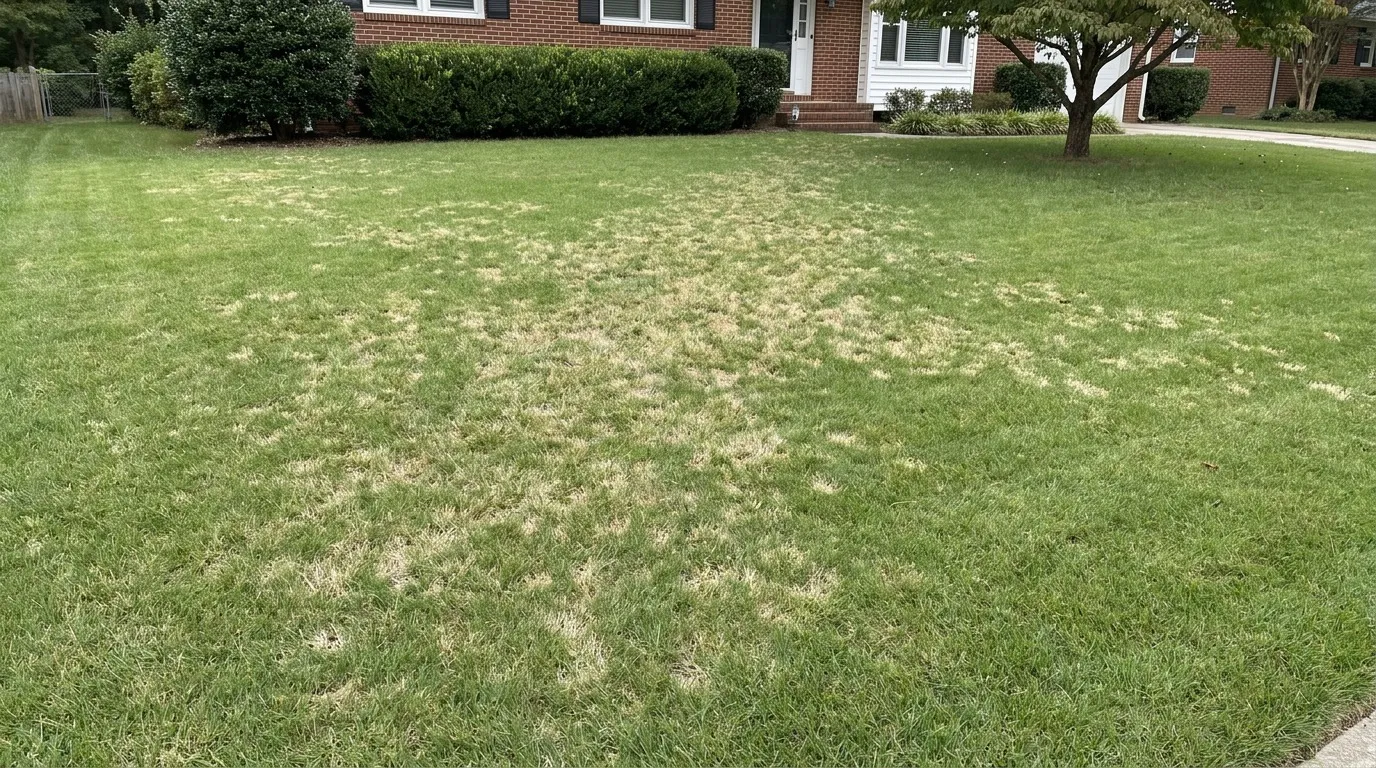
Annual bluegrass is a cool-season grassy weed that germinates in cooler soil and can show up as light green patches with wispy seed heads. Once it’s established, it competes with your healthy grass for water and nutrients, and it rarely holds up well through summer. Pre-emergent products work by creating a barrier in the soil that prevents seeds from successfully germinating. That means better results with less effort than trying to fix the problem after it takes over.
When to Apply for the Best Results
Pre-emergent success comes down to timing. Apply too early, and the barrier may weaken before peak germination. Apply too late, and the bluegrass is already growing. A good rule is to schedule your treatment before consistent spring warming kicks in. Many homeowners plan this around early spring lawn care, right as they’re thinking about the first mow and cleanup. Booking ahead also helps ensure you’re on the schedule at the ideal time window.
Best Practices That Protect the Barrier
After application, you typically want to water it in so the product can bond with the soil surface and form that protective layer. Follow proper mowing recommendations and avoid aggressive raking that disturbs the soil barrier. If you’re planning to seed, talk with our team, since pre-emergent can interfere with desirable grass seed germination, too. A strategic plan can balance weed prevention and turf improvement.
Pre-Emergent & Grubs: Build a Strong Spring Defense
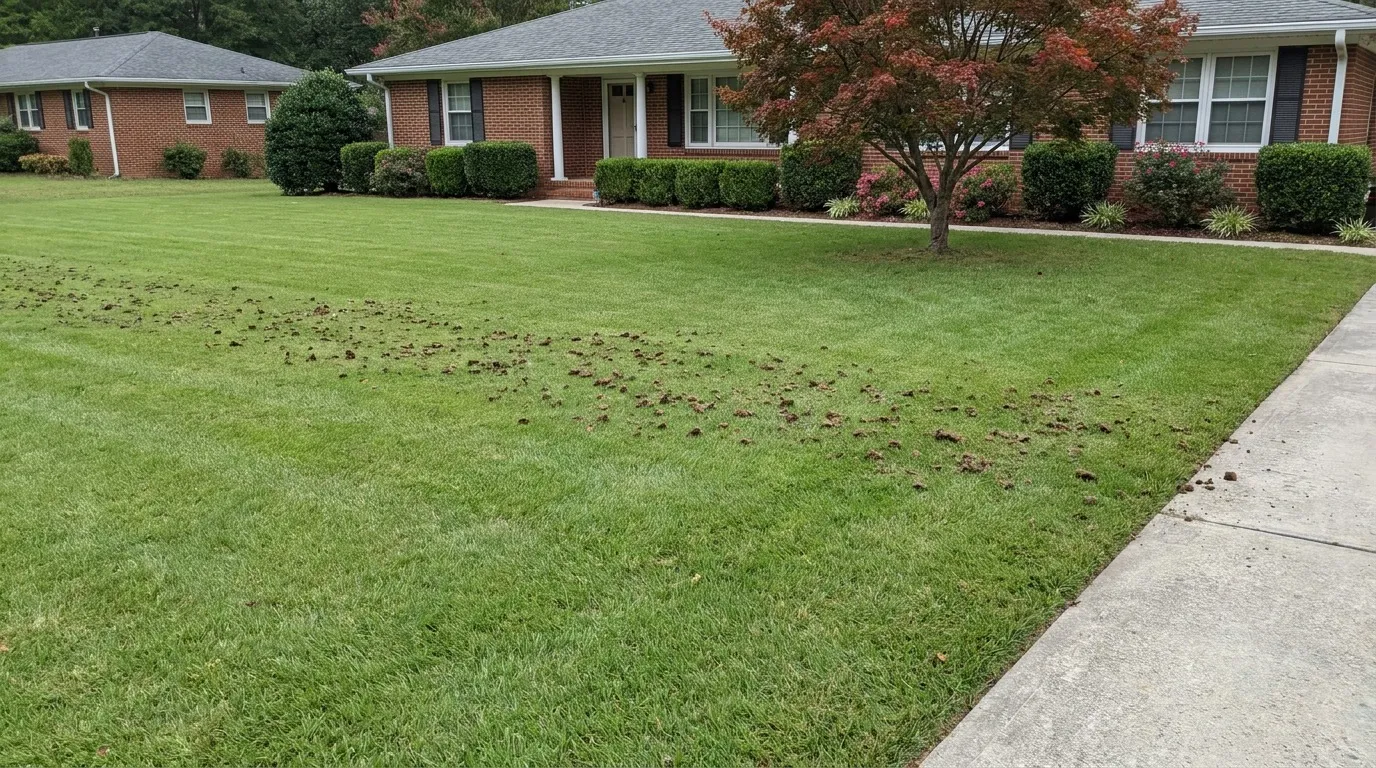
If you’re ready to book spring pre-emergent appointments for grubs, you’re already thinking like a lawn strategist. Grub prevention and weed prevention are both about timing and consistency. Pairing smart spring treatments helps protect your lawn from above-ground takeovers and below-ground damage that can invite thin spots and more weeds later.
A Spring Lawn Plan That Pays Off
Annual bluegrass is easier to prevent than to battle, and the right timing makes all the difference. If you’re in Greensboro, NC, Nature’s Select® can help you stay ahead with a plan that supports long-term results. We also offer weed and disease control, along with seeding and aeration, to keep your turf thick, healthy, and resilient. Contact us at (888) 786-9735 to get a free estimate.